
How Cross-Channel Marketing Builds a Unified Brand Presence

Navigating the swift currents of the business world demands a strategic, multi-dimensional approach. Enter the “Cross Channel Chronicles,” an exploration of the practical impact of cross-channel marketing strategies on business growth. We dissect the intricacies of seamlessly weaving a unified brand presence across diverse marketing channels, ultimately propelling sustainable success. Understanding Cross Channel Marketing Breaking Down Silos Traditional marketing strategies often operate in silos, limiting the potential for holistic brand growth. Cross-channel marketing transcends these barriers, fostering seamless collaboration between different mediums such as social media, direct mail, and more. This section examines the importance of breaking down silos for a unified marketing front. Cross-channel strategies dismantle the walls separating marketing channels, creating a unified force that propels brand growth. By fostering collaboration between social media, direct mail, and other mediums, businesses can create a seamless customer journey that resonates across platforms. This integrated approach ensures a consistent brand message and maximizes the impact of marketing efforts. The Role of Social Media Marketing Leveraging Social Media It goes without explaining that social media is here to stay. But, did you know that it is a cornerstone for brand visibility? With the help of a reputable Social Media Marketing agency you can engage your customers, educate prospects, and promote your business effortlessly and as you wish. There is no need to be placed on an insertion schedule, or egged on by a media sales rep. Social media is ideal for building brand loyalty, and ultimately boosting your business visibility. In addition, Social Media is a powerful tool to develop loyalty. Platforms such as Facebook, Instagram, Pinterest, and Linkedin, are just a few well-known social platforms to reach your target audience. Crafting brand messages, on brand not only increases visibility but fosters connections. Website and it’s role in cross channel marketing Your online presence needs to be as organized as your office and/or storefront. When clients come to visit, be sure to ask yourself… “can they find what I want them to find?” “Is my site easy to navigate and more importantly, does it present my brand correctly?” A well-designed website and user-friendly app can be instrumental in attracting and retaining customers. To succeed in cross-channel integration, connect your social media platforms to your website and ensure they’re easy to locate. Also, make sure all social links are active to avoid frustrating dead ends. Additionally, use website analytics and customer data to customize content and offers according to user behaviors, preferences, and demographics. Tailor website content, product suggestions, and promotions to different audience segments to boost engagement and conversions.   Direct Mail Marketing in B2B Navigating the B2B Landscape In an era dominated by digital communication, direct mail marketing to B2B stands out as a unique and effective strategy. Dive into the nuances of reaching businesses directly through targeted mail campaigns. Understand how personalized messages can cut through the digital noise and establish meaningful connections. In the B2B landscape, where digital communication prevails, direct mail marketing emerges as a distinctive and effective strategy. Explore the nuances of reaching businesses directly through targeted mail campaigns, discovering how personalized messages can cut through the digital noise and establish meaningful connections. Uncover the power of tangible communication in building lasting relationships within the B2B sector. Collaborating with a Marketing Agency Power of Collaboration Enlisting the expertise of a Marketing Agency can be a game-changer. Whether it’s a Branding Agency or an Ad Agency, find out how professional assistance can fine-tune your cross-channel marketing strategy. Explore the benefits of strategic partnerships to drive results and propel business growth. The journey to effective cross-channel marketing often involves collaboration with specialized agencies. Whether it’s a Branding Agency shaping your brand identity or an Ad Agency optimizing your advertising efforts, professional assistance can fine-tune your strategy. Dive into the power of collaboration, exploring how strategic partnerships with marketing agencies drive tangible results and propel sustainable business growth. Blogging for SEO & The Cross-Channel Approach Content as a Catalyst Blogging goes beyond simply sharing insights – it’s a pivotal strategy for boosting SEO. Quality content not only enriches your website but also elevates its search engine rankings. Embracing a cross-channel approach to blogging further amplifies your online visibility and impact. Don’t Forget … Email Marketing Unlocking the Power of Emails Email marketing remains a potent tool in cross-channel strategies. Targeted emails nurture leads, drive conversions, and integrate into your overall marketing mix. Email marketing allows you to frequently speak with your audience. In fact, email marketing is one of the best ways to nurture leads, drive conversions, and integrate prospects into your cross-channel marketing efforts. Final Thoughts As we conclude our exploration into the Cross Channel Chronicles, it’s evident that a multi-faceted marketing approach is key to sustained business growth. Embrace the diversity of marketing channels, leverage the expertise of agencies, and let your brand flourish in the interconnected landscape of the business world. In the ever-evolving journey of entrepreneurship, cross-channel marketing is your compass to navigate and thrive.

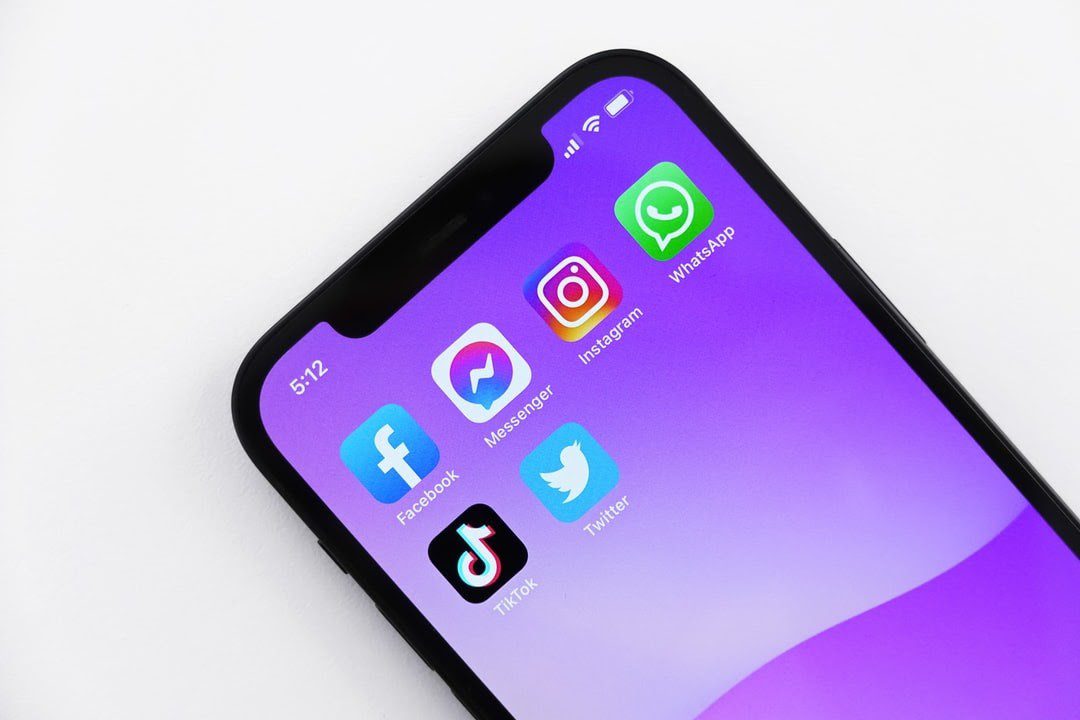
How to Revamp Your Marketing Strategy at the Start of a New Year

As the New Year approaches, it’s an ideal time for businesses to review and reinvigorate their strategies. While the calendar transitions, entrepreneurs and marketers should embrace fresh ideas. Amidst the changing economic landscape, it’s crucial to acknowledge the vital role of consistent marketing efforts. In times of economic uncertainty, the typical response for many businesses is to cut back or halt marketing initiatives. This decision is often driven by a desire to conserve resources or a belief that consumers may not be receptive during downturns. However, historical evidence consistently shows that reducing marketing efforts can be counterproductive in the long term. During economic turbulence, consumer behavior undergoes shifts. Purchasing patterns and priorities may change, but the fundamental need for products or services remains. This underscores the importance of maintaining a steady presence in the market. Brands that stay visible during economic fluctuations tend to retain a competitive edge and are better positioned for growth when conditions improve. The temptation to retract marketing efforts during lean periods is understandable, but it’s crucial to view these moments as opportunities for innovation and adaptation. Here’s why continuity matters: Building and Sustaining Brand Presence: Regular marketing builds familiarity and trust. Even during economic downturns, consistent exposure helps solidify your brand in consumers’ minds. Maintaining Consumer Confidence: A steady marketing presence communicates stability and confidence, reassuring consumers of your commitment to delivering value despite challenges. Adapting to Evolving Consumer Needs: Economic downturns often change consumer preferences. Staying active allows you to gauge these changes in real-time, enabling you to adapt and stay competitive. Competitive Advantage: While competitors may pull back, consistent marketing efforts can provide a unique advantage, capturing a larger share of voice and potentially gaining market share. Preparing for Economic Recovery: Businesses that maintain marketing efforts are better positioned to capitalize on economic upswings, swiftly regaining momentum and capitalizing on pent-up demand. Implementing consistent marketing strategies requires adaptability, creativity, and a willingness to innovate. Consider the long-term benefits of investing in customer retention, prioritizing satisfaction, personalized experiences, and lasting relationships. Loyal customers become brand advocates, contributing significantly to business sustainability regardless of economic fluctuations. Embracing Agility and Flexibility In an ever-evolving business landscape, agility and flexibility are indispensable. Consistency in marketing should not equate to inflexibility. Embracing agility means being responsive to changing circumstances, consumer behaviors, and market dynamics. During economic uncertainties, businesses that pivot swiftly and adapt their strategies gain a competitive advantage. This agility allows exploration of new avenues, experimentation with innovative ideas, and recalibration based on real-time feedback and market insights. Investing in robust data analytics enables gathering actionable insights for data-driven decisions. Analyzing consumer trends and engagement metrics empowers informed adjustments to remain relevant and impactful. Fostering a culture of innovation encourages continuous brainstorming. Cross-functional collaboration and diverse perspectives create a fertile ground for innovation, helping businesses stay ahead of the curve. Leveraging Digital Transformation for Resilient Marketing The digital realm is integral to modern marketing, especially during economic uncertainties. Digital transformation enhances reach and augments marketing resilience. Investing in a robust online presence across digital channels is pivotal. Social media, content marketing, email campaigns, SEO, and PPC advertising offer diverse engagement avenues. Optimizing digital marketing becomes imperative during economic fluctuations. Craft compelling, value-driven content aligned with audience needs. Harness data-driven tools and automation for personalized interactions and targeted messaging. Consider embracing e-commerce solutions if applicable. Facilitating seamless online transactions and providing exceptional digital experiences can be a game-changer. Final Thoughts As we enter the New Year, it’s a reminder of resilience and adaptability in successful marketing strategies. Resist the urge to retreat during challenging times. Fortify brand presence, innovate relentlessly, and maintain unwavering consistency. This approach not only navigates the current economic climate but positions businesses for sustained success and growth in the years ahead.

How Organizations Worldwide Are Empowering Women and Girls

Empowering women and girls stands as a driving force for positive societal change globally. These endeavors not only offer avenues for growth and education but also create a more equitable world for all. Gender disparities persist worldwide, hindering millions of women and girls from accessing education, healthcare, and economic opportunities. Addressing these inequalities, and empowering women and girls, remains paramount in building fairer and more prosperous societies. Organizations Leading the Charge Thankfully, there are numerous organizations dedicated to empowering women and girls. Each organization has its unique mission and approach, but all share a common goal: to create a world where every woman and girl has the chance to fulfill her potential. Here are a few noteworthy organizations making a significant impact: Girls Who Code: This organization aims to close the gender gap in technology by providing programming skills and opportunities for young girls. Through various programs, they equip girls with coding skills and mentorship, preparing them for careers in the tech industry. HeForShe: An initiative by UN Women, HeForShe encourages men and boys to become advocates for gender equality. By involving men in the conversation and promoting solidarity, it strives for a world where both genders have equal opportunities and rights. Kiva: While not solely focused on women, Kiva empowers women entrepreneurs by providing them with microloans to start or expand their businesses. This support enables women to become financially independent and contribute to their communities. Malala Fund: Named after the Nobel laureate Malala Yousafzai, this organization advocates for girls’ education globally, working to ensure that all girls can complete 12 years of safe, quality education. Women for Women International: This organization supports marginalized women survivors of war and conflict by offering them resources, skills training, and financial assistance to rebuild their lives and communities. How You Can Contribute The work of these organizations is transformative, but they need support to continue making a difference. Here are several ways you can contribute to their success and further the cause of empowering women and girls: Donate: Financial contributions play a significant role in sustaining the operations of these organizations. Consider making a donation, no matter how small, to support their programs and initiatives. Volunteer: Many organizations rely on volunteers to carry out their missions. Offer your time and skills by volunteering locally or remotely to support their projects and campaigns. Raise Awareness: Spread the word about these organizations and the issues they address. Use social media, organize events, or engage in discussions to raise awareness and encourage others to join the cause. Advocate for Change: Support policies and initiatives that promote gender equality and empower women and girls. Write to lawmakers, participate in advocacy campaigns, and use your voice to effect positive change. Shop Ethically: Support businesses that prioritize gender equality and fair treatment of women in their workforce and supply chains. Impact of Empowerment: The impact of empowering women and girls is far-reaching and multifaceted. When women and girls are empowered, the benefits extend beyond individual lives to entire communities and nations. Economic Growth: Empowering women economically has a direct correlation with a nation’s economic growth. Studies show that when women have access to education and economic opportunities, they reinvest a significant portion of their income into their families and communities, leading to poverty reduction and economic development. By supporting organizations that empower women economically, we contribute to building stronger economies and more resilient societies. Health and Well-being: Access to quality healthcare and reproductive rights is fundamental to women’s well-being. Empowering women with education about health and reproductive rights not only enhances their quality of life but also leads to healthier families. Organizations that focus on providing healthcare services and education for women and girls contribute to reducing maternal mortality rates, improving child health, and fostering healthier societies. Overcoming Challenges: Despite progress, several challenges persist in the journey towards gender equality and women’s empowerment. Cultural and Social Norms: Deeply ingrained cultural and social norms often limit women’s opportunities and rights. Discriminatory practices, stereotypes, and biases hinder women and girls from fully realizing their potential. Organizations working in this field face the challenge of addressing these norms and fostering societal change towards gender equality. Access to Education and Resources: In many parts of the world, women and girls still face barriers in accessing education, healthcare, and economic resources. Lack of educational opportunities, early marriage, and gender-based violence prevent many from reaching their full potential. Organizations working towards empowerment confront these challenges by providing resources, scholarships, and safe spaces for education and skill development. In overcoming these challenges, it becomes increasingly important to support and amplify the work of organizations that advocate for women’s rights and empowerment. By addressing these obstacles, we can move closer to a world where women and girls have equal opportunities to thrive and contribute positively to society. Final Thoughts Empowering women and girls is not just a moral imperative; it’s an investment in a more prosperous, peaceful, and equitable world. The efforts of organizations dedicated to this cause are invaluable, but they need collective support to create lasting change. By contributing in any way you can, whether through donations, volunteering, advocacy, or conscious consumerism, you can be a part of the movement towards a future where every woman and girl can thrive. Together, let’s empower and uplift, ensuring a brighter tomorrow for generations to come.

How Strategic Marketing Builds Long-Term Customer Relationships

In the bustling world of commerce, where trends shift and technologies evolve at breakneck speed, one aspect remains constant: the paramount importance of customers. Businesses thrive not merely by offering top-notch products or services but by establishing and nurturing robust relationships with their customers. Customer-centric marketing stands as the cornerstone for building strong customer relationships in an ever-competitive market landscape. Understanding Customer-Centric Marketing At its core, customer-centric marketing revolves around placing customers at the heart of every business strategy, decision, and interaction. This approach transcends mere transactions, seeking to comprehend and fulfill the diverse needs, preferences, and expectations of customers. Moreover, it is about listening, empathizing, and engaging with them at every touchpoint, crafting experiences that resonate and create lasting impressions. The Evolution of Customer-Centricity Historically, businesses focused on product-centric approaches, highlighting the features and benefits of their offerings. However, the digital age brought forth a paradigm shift, where consumers gained unprecedented access to information, choices, and platforms. This empowered customers to demand personalized experiences and meaningful engagements. Consequently, companies had to pivot towards customer-centric strategies to remain competitive. Key Pillars of Customer-Centric Marketing Deep Customer Understanding: Customer-centricity begins with comprehending your audience. Utilize data analytics, surveys, social listening, and feedback mechanisms to gain insights into their behaviors, preferences, and pain points. This understanding serves as the foundation for crafting tailored marketing strategies. Personalization: Tailoring experiences based on individual preferences is pivotal. Whether through personalized emails, targeted ads, or customized product recommendations, personalization fosters a sense of being understood and valued, bolstering customer loyalty. Consistent Omni-channel Experience: Customers interact with brands across multiple touchpoints—online, offline, social media, and more. Ensuring a seamless, consistent experience across these channels is imperative. A cohesive approach reinforces brand identity and enhances customer trust. Proactive Communication: Engage with customers not just during transactions but throughout their journey. Anticipate their needs, offer timely support, and seek feedback. This two-way communication builds trust and strengthens relationships. Adaptability and Continuous Improvement: Markets evolve, and so do customer preferences. Embrace agility by constantly refining strategies, products, and services based on customer feedback and market trends. Overcoming Challenges in Customer-Centric Marketing Data Privacy and Trust: With increasing concerns about data privacy, customers are cautious about sharing personal information. Businesses must prioritize transparency, ethical data practices, and stringent security measures to build and maintain trust. Offering clear opt-in/opt-out options and respecting customer preferences regarding data usage are crucial steps in this regard. Scalable Personalization: Implementing personalized experiences at scale remains a challenge. Leveraging advanced technologies like machine learning and AI can help automate and streamline the personalization process. By utilizing customer data effectively, businesses can deliver tailored experiences without overwhelming manual efforts. Adapting to Dynamic Customer Preferences: Customer preferences and behaviors are constantly evolving. Staying agile and responsive to these changes requires continuous monitoring of market trends, leveraging customer feedback loops, and swiftly adapting strategies to meet shifting demands. Future Trends Shaping Customer-Centric Marketing AI-Driven Hyper-Personalization: AI technologies will play an increasingly significant role in delivering hyper-personalized experiences. Predictive analytics, chatbots, and recommendation engines will evolve to anticipate customer needs more accurately, enhancing personalized interactions. Sustainability and Social Responsibility: Consumers are gravitating towards brands that demonstrate a commitment to sustainability and social responsibility. Businesses embracing eco-friendly practices, ethical sourcing, and social initiatives will resonate better with conscious consumers, shaping customer preferences and loyalty. Voice and Visual Search: The rise of voice assistants and visual search technologies will transform how customers search for products and information. Optimizing marketing strategies for voice search and visual recognition will become imperative to stay visible and relevant in these evolving search landscapes. Augmented Reality (AR) and Virtual Reality (VR): AR and VR technologies will revolutionize the customer experience, allowing consumers to interact with products virtually. Implementing these immersive technologies in marketing strategies will provide customers with engaging and realistic experiences, influencing purchasing decisions. Embracing the Future: Customer-Centric Evolution In navigating the evolving landscape of customer-centric marketing, businesses must adapt, innovate, and prioritize customer needs and aspirations. Furthermore, overcoming challenges, embracing emerging trends, and staying committed to building genuine connections will define success in this customer-driven era. By infusing strategies with empathy, agility, and cutting-edge technology, businesses can forge enduring relationships and carve their path toward sustained growth and relevance in the market. Benefits of Customer-Centric Marketing Enhanced Customer Loyalty: By prioritizing their needs, businesses foster trust and loyalty, leading to repeat purchases and long-term relationships. Increased Customer Lifetime Value: Satisfied customers tend to spend more and advocate for the brand, thereby increasing their lifetime value. Positive Brand Image: Brands that prioritize customers are perceived positively, leading to word-of-mouth recommendations and a strong brand image. Better Differentiation: Customer-centric approaches can become a competitive advantage by offering unique experiences that competitors find challenging to replicate. Improved ROI: Targeted marketing efforts and personalized experiences lead to more efficient use of resources, resulting in improved return on investment. Real-World Examples of Customer-Centric Success Amazon: Renowned for its customer-centric approach, Amazon’s focus on personalization, seamless shopping experiences, and customer service has propelled its success. Zappos: This online shoe and clothing retailer is celebrated for its exceptional customer service, going above and beyond to satisfy customers, which in turn fosters loyalty. Apple: Known for its user-friendly interfaces, exceptional after-sales service, and community engagement, Apple prioritizes customer experience, contributing significantly to its brand loyalty. Challenges and Future Trends So, while customer-centric marketing offers myriad benefits, it’s not without challenges. Balancing data privacy concerns, maintaining personalization at scale, and adapting to rapidly changing customer preferences are some hurdles businesses face. Moreover, the future of marketing will likely delve deeper into AI-driven personalization, hyper-personalized experiences, ethical data usage, and heightened emphasis on sustainability and social responsibility. Conclusion In an era where consumers are discerning and demanding, marketing emerges as the cornerstone of sustained business success. Additionally, by placing customers at the core of strategies, embracing personalization, and fostering meaningful connections, businesses can cultivate strong, enduring relationships that stand the test of time. As we move forward, the ability to understand, engage, and delight customers

How to Build a Marketing Strategy That Delivers Measurable Results

The 2024 Marketing Strategy is crucial for businesses that want to stay ahead in an ever-evolving digital landscape. With increasing competition and constantly shifting consumer behaviors, it’s essential to have a solid plan in place to achieve measurable outcomes. This article will provide insights into creating a strategy that not only aligns with current trends but drives tangible results. Understanding the Marketing Landscape in 2024 Before diving into strategy creation, it’s vital to grasp the current state of the marketing world. 2024 has brought a mix of emerging technologies, new consumer preferences, and an increasing emphasis on authenticity. Consumer Behavior: As of 2024, consumers are more connected than ever. With a plethora of devices at their disposal, marketers must understand the multiple touch-points involved in a typical customer journey. Emerging Technologies: AI and machine learning continue to shape the marketing landscape, offering predictive insights and personalization at an unprecedented scale. The Importance of Authenticity: With increasing skepticism towards overly promotional content, brands need to prioritize genuine engagement over flashy advertising. Laying the Foundation: Setting Clear Objectives A result-driven 2024 Marketing Strategy starts with well-defined objectives. Whether it’s increasing brand awareness, driving more sales, or improving customer retention, having clear goals will guide your efforts and provide a benchmark for measuring success. Harnessing the Power of Digital Channels Digital marketing remains at the forefront in 2024. Platforms like social media, email marketing, and search engine optimization (SEO) play pivotal roles in reaching and engaging target audiences. Social Media: Social media platforms, especially video-centric ones, are a goldmine for brands. For deeper insights on utilizing social media for client acquisition, consider reading How to Generate New Clients with Social Media. Email Marketing: Despite the emergence of newer channels, email remains a potent tool for personalized outreach and nurturing leads. SEO: SEO is evergreen. By ensuring your content is optimized for search engines, you can enjoy sustained traffic and increased visibility. Integrating Offline and Online Efforts While digital is dominant, offline strategies, such as events, guerrilla marketing, and traditional media, still hold value. The key is to integrate these efforts seamlessly, ensuring a consistent brand message across all channels. Analyzing and Adapting A 2024 Marketing Strategy isn’t static. Regularly analyzing performance metrics will highlight areas of improvement, ensuring that your strategy remains agile and effective. Delving into Data: The Importance of Analytics In the realm of the 2024 Marketing Strategy, data reigns supreme. Today’s marketing professionals have access to an abundance of data sources, from web analytics to customer surveys. This information is invaluable for fine-tuning your strategies and understanding your audience. Web Analytics: Tools like Google Analytics provide insights into user behavior on your website. This data helps optimize the user experience and measure the effectiveness of different marketing campaigns. Customer Feedback: Direct feedback, whether from surveys or social media, offers a goldmine of information. It provides a direct pulse on what your customers are thinking and what they desire. Content is Still King In 2024, content remains a driving force behind any successful marketing strategy. But it’s not about creating content for content’s sake; it’s about crafting valuable, relevant, and engaging pieces that resonate with your audience. Blog Posts: Regular blogging establishes your brand as a thought leader in your industry. It also aids in SEO efforts, bringing organic traffic to your site. Video Content: With platforms like YouTube, TikTok, and Instagram emphasizing video, it’s evident that consumers crave visual storytelling. Interactive Content: Quizzes, polls, and interactive infographics engage users, increasing the chances of them sharing your content and becoming loyal followers. Personalization: The Key to Customer Loyalty The 2024 Marketing Strategy focuses heavily on personalization. With AI and machine learning technologies becoming more advanced, businesses can offer personalized experiences like never before. Email Segmentation: Sending tailored emails based on user behavior or preferences increases open rates and engagement. Product Recommendations: E-commerce sites can leverage AI to recommend products based on browsing history, leading to increased sales. Influencer Partnerships: A 2024 Marketing Staple Partnering with influencers remains an effective strategy. Influencers have a dedicated audience that trusts their opinions, making them invaluable partners for brand promotions. Micro-influencers: While big-name influencers have vast audiences, micro-influencers often boast higher engagement rates. Their smaller, niche audiences can be ideal for targeted campaigns. Authentic Collaborations: Ensure partnerships feel genuine. Forced or overly promotional collaborations can backfire. Staying Ahead: Continuous Learning and Adaptation The digital landscape is ever-evolving. For a 2024 Marketing Strategy to be successful, it’s imperative to stay updated with the latest trends, technologies, and best practices. Webinars and Workshops: Regularly attending educational events can provide new insights and techniques. Feedback Loops: Create systems where you can regularly receive and act upon feedback, both internally (from your team) and externally (from customers). For an in-depth analysis of the evolving marketing trends in 2024, check out Marketing Trends 2024.

Marketing & Branding Build Credibility

In today’s competitive business landscape, establishing credibility is crucial for the success and growth of any company. Credibility not only helps in gaining the trust of customers but also sets a foundation for long-term relationships and brand loyalty. One powerful way to enhance credibility is through effective branding and marketing strategies. Consistency Breeds Trust Branding involves creating a consistent visual identity, including logos, color schemes, and design elements, that represents your company’s values and mission. When customers see this consistency across your marketing materials, website, social media profiles, and products or services, it instills a sense of trust and reliability. It sends the message that your business is well-established, organized, and committed to delivering on its promises. Clear Brand Messaging Effective branding goes beyond aesthetics; it encompasses your brand’s voice, mission, and values. A well-defined brand message communicates to customers who you are, what you stand for, and what they can expect from your products or services. Furthermore, when your marketing efforts consistently convey this message, it builds credibility by showing that you have a clear purpose and are genuinely invested in meeting your customers’ needs. Quality Assurance Through branding and marketing, you can emphasize the quality and excellence of your products or services. Customer testimonials, case studies, and product demonstrations showcase the positive experiences of previous customers, and demonstrate that your offerings are reliable and of high quality. This transparency and social proof contribute to your credibility. Professionalism and Reliability A polished and professional brand image, reflected in your marketing materials, can make a significant impact on how potential clients or customers perceive your business. A well-designed website, attention to detail in your marketing content, and professional visuals all signal that you take your business seriously. This professionalism breeds trust and credibility. Thought Leadership and Expertise Content marketing plays a vital role in establishing your company as a thought leader and industry expert. By consistently creating and sharing valuable content, you position your brand as knowledgeable and trustworthy. Customers are more likely to trust a company that demonstrates expertise in its field. Responsive and Engaging Customer Service Effective marketing strategies extend beyond the initial sale. Maintaining open communication with customers demonstrates your commitment to their satisfaction. Responsiveness and engagement contribute to your reputation for excellent customer service and reliability. Social Media Presence A strong social media presence is a valuable tool for building credibility. Regularly posting relevant content, responding to comments and inquiries, and engaging with your audience demonstrates your transparency and commitment to customer interaction. This active presence bolsters trust and authenticity. Reputation Management Moveover, branding and marketing also enable you to manage your online reputation effectively. You can address negative reviews and feedback, demonstrating your willingness to resolve issues and improve. This proactive approach to reputation management shows your dedication to maintaining credibility. Credibility is a currency that can greatly impact your company’s success. By investing in branding and marketing strategies that convey consistency, clear messaging, professionalism, and expertise, you can build trust and loyalty among your target audience. In a world where consumers have endless choices, credibility sets your business apart and fosters lasting relationships with customers. Embrace branding and marketing as powerful tools to boost your company’s credibility and pave the way for long-term success. Get started today and contact Silesky Marketing for all of your marketing and branding needs.

The Importance of Consistent Branding

Whether you’re a startup, a small business, or a global conglomerate, maintaining a cohesive brand image is crucial to your success. In this blog, we’ll delve into the profound significance of consistent branding and how it becomes the cornerstone of your business’s identity and growth. Recognition Encountering a familiar color palette, a distinct logo, or a specific tagline instantly triggers associations with a particular brand. Consistent branding ensures that these visual cues remain uniform across various touchpoints, from your website and social media to packaging and advertising. Over time, this recognition fosters a sense of familiarity, building trust and reliability among your audience. Trust and Reliability In a world where consumers have a multitude of choices, trust becomes the currency of successful businesses. Consistent branding is like a handshake—an introduction that establishes a promise to customers. When your branding elements, messaging, and tone align seamlessly, you project a professional and dependable brand image. This, in turn, cultivates trust and reliability, making customers more likely to choose your brand over competitors. Emotional Connection Consistent branding isn’t just about logos and colors; it’s about the stories and emotions those elements evoke. Your brand’s identity isn’t just the product you sell—it’s the experience you offer, the values you uphold, and the emotions you ignite. Through consistent branding, you craft a narrative that resonates with your target audience, forming a deep emotional connection. Customers aren’t just buying products; they’re investing in a story that aligns with their own values and aspirations. Longevity and Adaptation While consistency is vital, branding has to evolve with the times. Your approach to must adapt to changing market trends and consumer preferences. When you establish a strong foundation of consistent branding, it becomes easier to introduce new products, expand into different markets, or refresh your image without losing your core identity. Adaptation becomes seamless when you have a consistent brand as your guiding compass. Business Growth Consistent branding is an investment. As customers identify and resonate with your brand, they become loyal supporters who advocate for your products and services. Word-of-mouth referrals, positive online reviews, and social media buzz all stem from a strong and consistent brand presence. This organic growth not only attracts new customers but also fuels repeat business, driving your bottom line upwards. Lasting Impression Consistent branding isn’t just a visual choice; it’s a strategic decision that shapes how your audience perceives and interacts with your brand. By cultivating recognition, trust, and emotional connections, you lay the groundwork for sustained growth and success. As you navigate the dynamic landscape of business, remember that your consistent branding isn’t just a logo—it’s the face, the story, and the essence of your brand. Embrace it, nurture it, and watch it forge an enduring impression on the hearts and minds of your customers. If you are wanting to build your brand image, Silesky Marketing is here to help. Contact us today for assistance on your brand journey!

Analyzing the Anatomy of a Proper Brand

Analyzing the Anatomy of a Proper Brand In the vast and dynamic world of business, brands are the lifeblood that fuels success. A proper brand has the power to captivate audiences, foster loyalty, and stand the test of time. From the iconic swoosh of Nike to the bitten apple of Apple, brands have the ability to shape our perceptions and influence our choices. But what truly makes a brand proper? In this blog, we will delve into the intricacies of brand analysis, examining the key components that contribute to a successful and enduring brand. Brand Identity At the core of every proper brand lies a clear and compelling identity. Brand identity encompasses the brand’s mission, vision, values, and personality. A well-defined identity helps establish an emotional connection with consumers, fostering trust and loyalty. Analyzing a brand’s identity involves understanding its target audience, market positioning, and unique selling propositions. Visual Identity Visual elements are crucial for brand recognition and recall. Analyzing a proper brand involves scrutinizing its visual identity, including the logo, color palette, typography, and design elements. The visual identity should align with the brand’s identity, evoke the desired emotions, and differentiate the brand from its competitors. Brand Messaging An effective brand communicates a consistent and compelling message. Analyzing brand messaging involves examining the brand’s tagline, slogans, voice, and tone. A proper brand message should resonate with the target audience, convey the brand’s unique value proposition, and be aligned with its overall identity. Customer Experience A proper brand is built on delivering exceptional customer experiences. Analyzing a brand’s customer experience involves assessing the interactions customers have with the brand at every touchpoint, both online and offline. This includes evaluating customer service, product quality, user interface, and overall satisfaction. A positive customer experience fosters brand advocacy and generates repeat business. Market Positioning Understanding a brand’s position in the market is crucial for analyzing its effectiveness. Examining market positioning involves assessing the brand’s target market, competition, and unique selling points. Proper market positioning enables a brand to differentiate itself, identify growth opportunities, and effectively cater to its customers’ needs. Brand Equity Brand equity refers to the value and perception associated with a brand. Analyzing brand equity involves measuring brand awareness, brand loyalty, brand associations, and perceived quality. A proper brand possesses strong brand equity, which translates into increased customer trust, higher market share, and premium pricing. Adaptability and Innovation In today’s fast-paced world, proper brands need to adapt and innovate to stay relevant. Analyzing a brand’s adaptability and innovation involves assessing its ability to evolve with changing consumer preferences, embrace new technologies, and anticipate future trends. A proper brand embraces a growth mindset, constantly seeking opportunities for improvement and expansion. Analyzing a proper brand goes beyond surface-level observations. It requires a comprehensive examination of its identity, visual elements, messaging, customer experience, market positioning, brand equity, and adaptability. By dissecting these components, businesses can gain valuable insights to strengthen their brands, resonate with their target audience, and drive long-term success. A proper brand is an artful blend of strategy, creativity, and customer-centricity, captivating hearts and minds in a way that transcends the ordinary.

The Common Branding Myths Costing Small Businesses Real Growth

Branding is an essential aspect of any successful business. However, there are several myths surrounding branding that can mislead marketers and affect their marketing strategies. Read on to learn more about common branding myths and debunking them. Branding is More than Catchy Logos  One common myth is that branding is only about creating a memorable logo or catchy tagline. While a logo and tagline are important elements of a brand, they are just one piece of the puzzle. Branding encompasses much more than just visual identity. It involves creating and managing a unique set of associations in the minds of consumers that reflect the core product, its features, functions, and benefits. Branding is Not Just for the Big Names Another myth is that branding is only relevant for large businesses or well-known companies. In reality, every business, regardless of its size or industry, can benefit from effective branding. Effective branding helps businesses stand out from the competition, build trust with customers, and create a strong emotional connection. Furthermore, branding is not a one-time effort. It requires continuous nurturing and management to ensure that the brand remains relevant and resonates with its target audience. Branding Falls on the Entire Company Additionally, there is a misconception that branding is solely the responsibility of the marketing department. In reality, branding is a company-wide effort that involves everyone from the CEO to frontline employees. Each employee plays a role in representing and embodying the brand’s values, messaging, and customer experience. Quality and Functionality Matter Another common myth is that branding is all about making a product or service look good, rather than focusing on its quality or functionality. Branding is not just about aesthetics; it goes beyond surface-level visuals. Branding is about creating a perception of value and trust in the minds of consumers. Therefore, it is essential to focus on delivering a high-quality product or service that meets customer expectations and aligns with the brand’s promise. Lastly, there is a misconception that branding is only effective for consumer-facing businesses. However, branding is just as important for B2B companies. Branding helps establish credibility and trust, differentiate from competitors, and communicate the unique value proposition to potential business partners. Overall, it is important to dispel these common myths about branding. Branding is a comprehensive strategy that goes beyond logos and taglines. It involves creating and managing a unique set of associations that reflect the core product, building trust with customers, and establishing credibility in the market. Branding is not limited to large businesses or consumer-facing companies; it is relevant and beneficial for businesses of all sizes and industries. For more branding information, or to help your company create a successful branding strategy, contact Silesky Marketing today.

John Sindorf

Director of Strategic Alliances

John believes most businesses don’t need more vendors; they need the right strategic partners.

With decades of experience helping small and mid-sized organizations grow, John specializes in connecting business leaders with the expertise they need to overcome challenges, strengthen operations, and scale with confidence. Whether the conversation centers on sales strategy, marketing, AI, or operational efficiency, his focus is always the same: identifying the right solution for the business, not simply adding another service provider.
Known for his relationship-first approach, John builds partnerships rooted in trust, practical guidance, and measurable outcomes. He helps business owners simplify complex decisions, align the right resources, and spend less time managing vendors and more time leading the businesses they’ve worked so hard to build.

Off the clock: You’ll likely find John networking over coffee, strengthening relationships, and proving that the best business opportunities still begin with genuine conversations.

Kiki DeVane

Marketing Operations Manager

Kiki started her career wanting to change the world through policy, then discovered that a well-built website could be just as powerful. That pivot led her through event marketing, federal communications, and sponsored content for some of the world’s most recognizable brands. She came out the other side a marketing utility player, skilled across strategy, design, development, and copywriting, allowing her to support client campaigns from the front and behind the scenes.

At Silesky, she’s the connective tissue, keeping projects moving, clients informed, and the team empowered to focus on what they do best. What sets Kiki apart is her ability to move fluidly between the operational and the creative without losing momentum in either direction. Whether she’s architecting a workflow, shaping a campaign, or jumping in on a deliverable, she brings the kind of range that elevates every project and strengthens the team around her.

A systems thinker with a creative soul, Kiki brings order to complexity and a genuine investment in seeing the work land the way it should.

Aizaz UI Hassan

Web Developer & Graphic Designer

Aizaz has been the driving force behind Silesky’s web development for over five years. As both a graphic designer and UI/UX developer, he brings a rare mix of technical precision and creative clarity to every project.

What sets Aizaz apart is his ability to understand and interpret the assignment—no extra hand-holding, just sharp instincts and calm professionalism. When timelines are tight and expectations are high, Aizaz is the teammate you want in your corner.

Creative and detail-oriented, Aizaz builds clean, modern websites that marry style with substance. From intuitive flows to scalable layouts, his work consistently delivers digital experiences that perform as well as they look.

With every project, Aizaz ensures the design feels effortless for users and does the heavy lifting for the brand.

Sue Hilger, MBA

Chief Growth Strategist

As Chief Growth Strategist at Silesky Marketing, Sue plays a key role in expanding the agency’s client base while cultivating long-term partnerships grounded in trust, collaboration, and measurable success. She works closely with organizations to help them meet their business goals—and then go beyond them—through smart, scalable marketing strategies.

With an MBA and deep expertise in both B2B and B2C environments, Sue bridges the gap between strategic planning and hands-on execution. She guides clients through Silesky’s end-to-end process, beginning with in-depth discovery and needs assessments and continuing through branding, messaging, digital advertising, and campaign rollout.

Sue is focused on long-term impact. Many of Silesky’s client relationships span decades, which speaks to her ability to integrate seamlessly, think strategically, and consistently deliver results. For Sue, every engagement is more than a project—it’s a partnership.

Mya Stengel

Content Developer & Video Editor

Mya brings the heart of a storyteller and the precision of a screenwriter to every project. With a background in Hollywood scriptwriting—particularly in the horror genre—she understands how to build intrigue, capture attention, and deliver a message that lands with impact.

A lifelong book lover turned brand storyteller, Mya has a gift for finding each client’s voice and shaping it into something authentic and memorable. Whether she’s writing SEO-driven blog content, editing silent video loops, or cutting together a punchy hero reel, she focuses on what makes a brand distinct and brings it to life with clarity and emotion.

From blog posts to behind-the-scenes edits, plot twists to punchlines, Mya’s work helps brands connect more deeply and tell stories that resonate.

Ashelin Walker

Digital Marketing Strategist

Ashelin is a digital marketing strategist who blends technical know-how with creative insight. At Silesky Marketing, she turns strategy into results—helping clients attract the right leads, connect with their audience, and strengthen their online presence.

She designs high-converting landing pages, launches targeted email campaigns, manages CRM platforms, and creates on-brand video content that performs. From big-picture planning to the freckles of a campaign, Ashelin brings cohesion to the chaos and keeps every piece pulling in the right direction.

What sets Ashelin apart is how seamlessly she connects the tactical to the strategic. She doesn’t just check boxes—she makes sure every effort ladders up to a larger goal. Her work helps clients show up in the right places, with the right message, at the right time.

Susi Silesky

Founder & Brand Architect

As the founder of Silesky Marketing, Susi brings more than 30 years of brand strategy and marketing expertise to the table. Her experience spans ambitious startups, global enterprises, nonprofits, and household-name retailers.

Susi is most energized when she’s helping business owners find their voice, shape their story, and build a brand that reflects their vision and gets the results they deserve.

What sets her apart is her deep understanding of entrepreneurs. She’s built a career not just on strong campaigns, but on building genuine relationships. That blend of empathy and expertise is what makes her work both effective and meaningful.

Susi has led successful marketing initiatives across industries—from healthcare and legal to real estate, B2B tech, and pharma. She’s fluent in French, conversational in Spanish, and skilled at translating complex ideas into clear, compelling brand stories.