Why Marketing Timelines Have to Differ by Industry

Ask a general contractor and a family therapist how long marketing should take to show results. The honest answers sound nothing alike. One is watching a bid move through proposal, permitting, and payment before the phone starts ringing on its own. The other is watching a compliance officer decide whether a new referral campaign is even allowed to run. Swap in an accounting firm’s managing partner, and a third answer shows up. That proposal has to clear one person’s crowded calendar instead of a formal approval chain. Marketing timelines by industry look nothing alike. All three businesses still receive the same generic advice, usually some version of ninety days and a little patience. Frustration sets in when the calendar runs out, and the results haven’t caught up. Patience was never the missing ingredient; a borrowed calendar was standing in for the buyer’s real decision process. Marketing Timelines Follow Your Buying Process, Not a Universal Calendar A marketing timeline is set by how your buyer moves through their own decision process, not by a fixed number of days on someone else’s calendar. Most timeline advice comes from a generic playbook built for whichever industry produces the most content online, usually retail or SaaS. There, a buyer can click and pay in the same sitting. Construction, healthcare, and professional-services buyers don’t work that way. That friction shows up differently depending on the business: A contractor’s next client often can’t move until a loan or permit clears. Inside a hospital, the compliance officer decides whether the campaign runs at all. Waiting behind a managing partner’s six other decisions, a law firm’s next referral can sit for weeks. None of those buyers move faster because an agency publishes more often. What Sets a Marketing Timeline Three factors set a realistic marketing timeline for any business: The length of the buyer’s internal approval process. How many people have to sign off before money moves. Whether an outside requirement (a permit, a regulation, a partner vote) sits between interest and purchase. A retail impulse buyer has none of these. Construction, healthcare, and professional-services buyers all carry at least one, and most carry two. Why Borrowing Someone Else’s Timeline Backfires Applying a borrowed timeline to a business with real internal friction sets an expectation the buying process was never built to meet. The owner judges the campaign against a ninety-day benchmark instead of the mechanism controlling when the buyer says yes. That owner then walks away believing marketing failed, when the real problem is a timeline that never gave marketing enough runway to reach the moment the buyer was able to act. Construction Timelines Follow Bid Cycles and Project Cash Flow Construction marketing timelines are set by the bid-to-cash cycle, not by how many months a campaign has been running. Three mechanics control when a contractor actually has cash on hand, and none of them run on a marketing calendar: Progress billing pays out in draws tied to a schedule of values, each one submitted, reviewed, and approved before the next check moves. Common in subcontracts, pay-when-paid clauses mean a general contractor often can’t release funds downstream until the owner has released funds to them. Set in the contract, retainage holds back a percentage of every draw until the project reaches substantial completion, so a contractor working a full draw schedule still isn’t holding all the cash a job generated until the punch list closes out. That cash rhythm, not the calendar, is what a marketing plan is competing against. A plan measured against a flat monthly retainer assumes a revenue rhythm retainage was specifically built to interrupt. Why Marketing Competes With Job Cash Flow, Not the Calendar A construction owner isn’t slow to invest in marketing because they’re unconvinced of its value. The last job usually hasn’t paid out yet, and the calendar has nothing to do with when that changes. Marketing plans built around a fixed monthly retainer assume a monthly cash rhythm most contractors don’t have. What Realistic Timing Looks Like for a Construction Marketing Plan A construction marketing timeline works better anchored to project completions than to fixed months. Early activity, content, local search visibility, referral systems, builds while jobs are still in progress. The visible payoff, more inbound bids, tends to land once at least one full project cycle has closed and cash has cycled back into the business. That’s typically longer than a single quarter, and a shorter timeline set against that reality only guarantees disappointment. Healthcare Timelines Follow Compliance Review and Multiple Stakeholders Healthcare marketing timelines are set by compliance review, not by how enthusiastic the internal champion is. The U.S. Department of Health and Human Services requires written patient authorization under the HIPAA Privacy Rule (45 CFR 164.508). That authorization must be in place before protected health information is used for marketing purposes. That single requirement adds a compliance filter no retail or professional-services business has to clear, which means a campaign idea a marketing director loves on Monday can still be sitting in legal review a month later. The Compliance Layer Other Industries Don’t Have A healthcare marketing timeline has to build in review time before a single asset goes live, not after. That review path usually isn’t a single stop: Marketing drafts the concept. A compliance officer reviews it first, often sending it back for revision, especially when the campaign references patient outcomes or testimonials that need de-identification. Only after that does legal sign off, once compliance concerns are resolved. Each loop adds real time, not because anyone is dragging their feet, but because getting an authorization requirement wrong creates liability the organization can’t unwind after the fact. Why More Than One Person Has to Sign Off Clinical, technical, financial, and compliance stakeholders each have a legitimate reason to weigh in before a healthcare campaign launches. Multi-stakeholder purchasing committees are the standard structure at most hospitals and health systems, not the exception. A healthcare marketing timeline that assumes one enthusiastic champion can approve and launch alone


What Business Owners Need From a Marketing Campaign Timeline

Every marketing campaign timeline rests on one unspoken assumption: that nothing will go wrong. No one writes that assumption down. It shows up anyway, in the dates, in the sequencing, in the absence of any plan for what happens if a vendor goes quiet or a sign-off takes longer than expected. The campaign that looked solid on paper and then came apart in week three wasn’t undone by bad luck or a sloppy team. It was undone by a document that never accounted for the thing every campaign eventually runs into. Why Do Marketing Campaign Timelines Break in the First Place? Marketing campaign timelines break because most of them are built as if delay is the exception, when delay is the baseline condition of running a project with more than one moving part. Even the Best-Run Campaigns Miss Their Schedule 63% vs. 59%. Project professionals rated highest in business acumen by the Project Management Institute still hit schedule adherence of only 63 percent. Professionals without that rating land at 59 percent. That four-point gap separates the best-run projects from the average ones, and even the best-run group still misses its own deadline more than a third of the time. This figure comes from professionals who plan and manage projects for a living, not from businesses dabbling in marketing on the side. The timeline was never the problem. The assumption built into it was that every phase would land on schedule, every approval would clear on the first pass, and every vendor would deliver exactly when promised. No campaign, however well-run, holds to that assumption consistently. The data confirms what already showed up in the launch that slipped. Why the Damage Spreads Past the Original Delay A single missed date rarely stays a single missed date, and part of the reason is visibility. What the research found What it means for your timeline Marketing leaders see only about 61% of their own team’s daily activity (Wrike / Sapio Research) A third of the work on any campaign is invisible to the person accountable for it 49% of marketing professionals want more transparency into how their team’s strategy was built (Asana Work Innovation Lab / Meltwater) The misalignment that derails a timeline often starts before the timeline exists When a delay starts somewhere inside that blind spot, it often goes unnoticed until it has already cost several days. One marketing operations breakdown illustrates how these gaps compound. A strong strategy stalled when a brief update arrived late, a legal hold added six days nobody had planned for, and feedback scattered across three separate channels until no one could tell which version was current. None of those failures was dramatic on its own. Stacked together, they turned a minor slip into a missed launch. This is the mechanism worth understanding before anything else. A delay that hits an undefined timeline does not stay contained to the phase where it started. It cascades into every phase downstream, because nothing was built to absorb it, and because the people closest to the work often cannot see it happening until it already has. Where Does a Marketing Campaign Timeline Need Built-In Buffer? A marketing campaign timeline needs buffer at the three points where delay consistently originates: approvals, vendor or production handoffs, and revision rounds. The Three Places Delay Concentrates Most timeline failures trace back to one of three recurring choke points, and naming them in advance changes how the schedule gets built. Approval gates. Stakeholder sign-off is rarely instant, even when the stakeholder is enthusiastic about the work. Vendor and production handoffs. Print runs, video edits, web development, and any external production step introduce a dependency the internal team cannot fully control. Revision rounds. First drafts almost never ship as written, and gathering feedback from multiple people takes longer than gathering it from one. A timeline built without slack at these three points is not really a schedule. It is a wish list with dates attached. Why Buffer Placement Matters More Than Buffer Size Padding the entire timeline equally feels safe, but it wastes protection on the parts of the project that rarely slip while leaving the genuine risk points exposed. Phase type Buffer it actually needs A four-week production phase with no internal handoffs Almost none A two-day approval gate dependent on a stakeholder’s calendar More than its length on paper would suggest Buffer belongs where the risk concentrates, not spread evenly across every phase like a blanket. How Much Buffer Does Each Phase Need? The right amount of buffer for each phase comes from how that same phase actually performed on the last campaign, not from a generic rule of thumb. The Right Buffer Comes From Your Last Campaign, Not a Guess Most businesses already have the data they need. The last campaign’s actual timeline, compared against its planned timeline, shows exactly where and by how much each phase ran long. That gap becomes the starting buffer for the next campaign’s version of that same phase. A business that has not tracked this gap before should start now, even informally: Note the planned date and the actual date for each approval, handoff, and revision round on the current campaign. By the next campaign, that record replaces guesswork with a number specific to how this particular team, these particular stakeholders, and these particular vendors actually operate. Why More Buffer Isn’t Always Better Excess buffer carries its own cost. A timeline padded heavily at every phase stretches the launch date further out than the work requires, and a launch date that drifts too far loses the internal urgency that keeps a campaign moving. The goal is matched buffer, not maximum buffer. Size it to the actual historical variance at that specific point in the process, then stop. A buffer built on real data earns its place in the schedule. A buffer built on anxiety just delays the launch. What Happens When the Timeline Starts Slipping Anyway? When a delay outpaces the buffer already built in,

The Power of Presence: Mastering the Handwritten Holiday Note

Your inbox is full. So is everyone else’s. The average professional receives over 120 emails per day, and most of them blur together into a forgettable stream of subject lines and unread notifications. Meanwhile, the mailbox sits nearly empty, save for bills and the occasional catalog nobody asked for. That empty mailbox is an opportunity. A handwritten note lands with weight because it costs something real. It takes time, thought, and intention. It cannot be scheduled, automated, or sent in bulk with a single click. When your client or prospect holds an envelope addressed by hand, they already know this message is different. Showing up with genuine presence matters now more than ever, and mastering the handwritten holiday note demonstrates the power of that personal connection. This simple act can become the most memorable touchpoint in your entire relationship with a client. The statistics tell a compelling story. According to the United States Postal Service, the average household now receives only about one personal letter every seven weeks. Compare this to the dozens of marketing emails that arrive daily, and the contrast becomes stark. Scarcity creates attention, and handwritten correspondence is now genuinely scarce. Why Handwritten Still Wins Digital fatigue is real, especially during the holidays. According to research from the Data & Marketing Association, email open rates drop by 23% between Thanksgiving and New Year’s Day. Your beautifully designed electronic card drowns in a sea of identical messages. People delete first and feel guilty later. Physical Mail Gets Attention Physical mail gets different treatment. Consider what happens when a handwritten envelope arrives: Someone opens it immediately. There’s no spam folder for the mailbox. The tactile experience registers differently in the brain. You’re not competing with 47 other tabs. A 2023 study from Temple University found that handwritten notes create 400% stronger emotional response than digital messages. People keep cards on their desks for weeks, creating sustained visibility that your email never gets. Personalization creates reciprocity. When you invest time writing someone’s name by hand, referencing something specific about your relationship, and physically mailing it, you’ve signaled genuine care. That triggers what psychologist Robert Cialdini calls the reciprocity principle. People feel compelled to return meaningful gestures. Testing the Approach We worked with a consulting firm last year that tested this approach. Their senior partner sent 12 handwritten cards to key clients in early December. She referenced specific conversations from the year and shared genuine appreciation. The results: Three clients called her in January with new projects Two others referred her to colleagues Their email blast to 1,200 contacts generated zero responses The difference wasn’t the medium alone. It was the combination of personal investment and strategic targeting. What you write determines whether that investment pays off. What Actually Belongs on the Card Start With Specifics Reference a real conversation, project milestone, or shared moment from your relationship. The person reading this card should immediately know you wrote it for them, not from a template. Good example: “Your insight about reframing our Q3 messaging stuck with me. It changed how we approach client conversations.” Bad example: “Wishing you and your family a wonderful holiday season from all of us.” The first version proves you were paying attention. The second could go to anyone. When you anchor your message to a real moment, you create recognition. That’s what makes the card memorable weeks later. If you can’t remember a specific interaction worth mentioning, skip that person. Send them an email instead. This approach only works when you actually have something genuine to say. Keep Business Light No pitches, no calls to action, and no “let’s connect in Q1 to discuss opportunities.” This is relationship maintenance, not lead generation. What works: Gratitude for their partnership Observation about their work or growth Sincere well wishes for the coming year What doesn’t: Service promotions or announcements Requests for meetings or calls Anything that feels transactional The moment you ask for something, you’ve turned a gift into a trade. People can smell that immediately. One of our clients made this mistake beautifully. He sent gorgeous handwritten cards with personal notes, then added a P.S. about his new service offering. Every recipient mentioned the P.S. when they thanked him. Not because they were interested. Because it felt off. The card went from thoughtful to calculated in one line. If you want to promote something, use email. The holiday card exists in a different category entirely. Respect that boundary. Close With Warmth Sign your actual name. Not “The Team at Acme Corp.” Not your title. Just your name. You can add a personal detail if it feels natural. “We’re heading to Vermont for a few quiet days,” or “Planning to finally finish that novel I started in March.” This makes you human, not just a business contact. But keep it brief. One sentence max. Three to five sentences total is the sweet spot. More than that, and you’re writing a letter, which changes the dynamic entirely. Notes feel spontaneous and light. Letters feel labored and heavy. Knowing what to write only solves half the problem. The other half is avoiding the traps that kill authenticity. Four Fatal Mistakes That Ruin the Gesture Apologizing for the card itself. “I know this is old-fashioned, but…” or “In this digital age, you probably weren’t expecting…” instantly undercuts what you’re doing. You’ve told them the gesture is outdated before they’ve even read it. Own the choice. No hedging, no disclaimers. Making it about you. Your company’s growth this year, your new office, your award, and your daughter’s college acceptance. None of that belongs here. This card exists to acknowledge them, not update them on your life. The holiday email blast is for company updates. The handwritten card is for them. Writing too much. Six sentences become eight, become a full paragraph. You’re trying too hard. The beauty of a handwritten note is its brevity. It respects their time while showing you invested yours. Stop at four sentences. Fight the urge to

How the Product Lifecycle Impacts Your Marketing Strategy

When a product enters the marketplace, it’s not starting from scratch — it’s stepping onto a moving track. How the product lifecycle impacts your marketing strategy is a fundamental business reality that often separates thriving brands from those that quickly fade. Understanding this connection allows marketers to anticipate customer needs, adjust messaging, and invest wisely, rather than reacting late and risking brand erosion. What is the Product Lifecycle? The life cycle of a product refers to the stages a product passes through from its inception to its eventual withdrawal from the market. Typically, these stages are: Introduction: Launch phase, where market awareness must be built. Growth: Rapid adoption, increased demand, rising competition. Maturity: Peak sales followed by a slowdown as the market saturates. Decline: Falling demand due to new innovations, changing needs, or market saturation. Recognizing your product’s phase is essential to crafting a relevant marketing strategy. The Product Lifecycle Introduction: Building Awareness The product lifecycle introduction phase is both thrilling and challenging. Awareness is low, consumer skepticism may be high, and the need for education is urgent. Effective marketing focuses on: Storytelling: Connect with audiences emotionally rather than overwhelming them with features. Educational content: Host webinars, write articles, or produce explainer videos to inform potential users. Strategic partnerships: Work with influencers or respected voices in the industry to boost credibility. For instance, when Beyond Meat introduced its plant-based burgers, it framed the product as a revolutionary step toward a sustainable future. Rather than drowning consumers in technical details, the brand offered a compelling vision that aligned with growing environmental concerns. At this early stage, patience and clarity are critical. Marketing must balance creating excitement with setting realistic expectations. Growth Stage: Fueling Expansion As a product gains popularity, it moves into the growth stage — a phase characterized by rising demand, heightened competition, and accelerated brand visibility. Marketing strategies during growth typically shift toward: Social proof: Amplify customer testimonials and case studies to build trust. Channel expansion: Scale marketing across multiple platforms — digital, retail, events. Referral programs: Leverage existing customers to attract new ones through incentives. A perfect example is Slack. Initially adopted by small teams, Slack’s marketing capitalized on the growth phase by highlighting seamless integrations and community success stories. Their rapid word-of-mouth adoption wasn’t accidental — it was engineered through smart marketing decisions during the critical growth phase. In growth, marketing focuses less on “what” the product is and more on “why” it is superior. Maturity Stage: Defending Market Position The maturity stage signals peak product performance, but it’s also where competition is fiercest and growth slows. Key marketing focuses during maturity include: Customer retention: Loyalty programs, VIP customer benefits, and continued engagement. Differentiation: Emotional branding becomes crucial — products alone are rarely enough. Product bundling: Combine products to add value and maintain customer interest. Nike’s handling of the Air Jordan brand offers a textbook example. Instead of resting on past successes, Nike kept the line fresh through limited editions, collaborations, and storytelling tied to nostalgia and aspiration. At maturity, brands must market the experience, not just the product. Maintaining relevance becomes an art form. Decline Stage: Strategic Evolution No product remains dominant forever. The decline stage emerges due to technological advances, shifting consumer behavior, or newer, better alternatives. Options for marketers during decline: Harvest: Maximize profits with minimal investment. Reinvent: Find niche audiences or reframe the product for a new use. Exit: Plan a graceful phase-out while transitioning customers to newer offerings. An example is Kodak. Despite inventing digital photography, it clung too long to film, ultimately facing a massive decline. However, segments of its business, such as instant-print kiosks and niche analog photography communities, continue today, proving there are survival paths even in decline. Early recognition and bold marketing moves during decline can turn a loss into an opportunity. The Product Lifecycle Impact Marketing Strategies In Which Ways? Marketing strategies are dynamic because the product lifecycle demands it. The product lifecycle impacts marketing strategies in distinct ways: Resource distribution: Heavy investment early on shifts to efficiency and retention later. Messaging focus: From education during introduction to emotional loyalty during maturity. Audience targeting: Early adopters give way to mainstream buyers, then niche loyalists. If marketing strategies remain static across lifecycle stages, businesses risk alienating customers who have evolved with the product. What is an Example of Product Life Cycle Success? Apple’s iPod journey illustrates lifecycle-savvy marketing: Introduction: Focused on simplicity (“1,000 songs in your pocket”). Growth: Celebrated lifestyle integration with vibrant campaigns. Maturity: Reinforced ecosystem value by connecting to iTunes. Decline: Transitioned customer focus smoothly toward iPhones without alienating the iPod base. Each marketing decision aligned tightly with the product’s phase, minimizing disruption and maximizing loyalty. Phases of the Product Life Cycle: Marketing Essentials   Phase Primary Marketing Focus Common Tactics Introduction Awareness and education Storytelling, influencer campaigns Growth Market expansion and trust-building Reviews, partnerships, social proof Maturity Loyalty and emotional branding Promotions, bundling, VIP programs Decline Profit harvesting or niche repositioning Targeted messaging, rebranding Conclusion: Marketing with Lifecycle Awareness Knowing how the product lifecycle impacts your marketing strategy isn’t just about theoretical knowledge; it’s about business survival. Lifecycle-aware marketing ensures that efforts resonate with customer expectations, budget allocations are smart, and competitive positioning stays strong. Products, like customers, evolve. Marketing must evolve, too. In the end, the companies that market with the lifecycle rather than against it are the ones that stay in the game the longest.

Combining Digital and Traditional Marketing for Local Impact

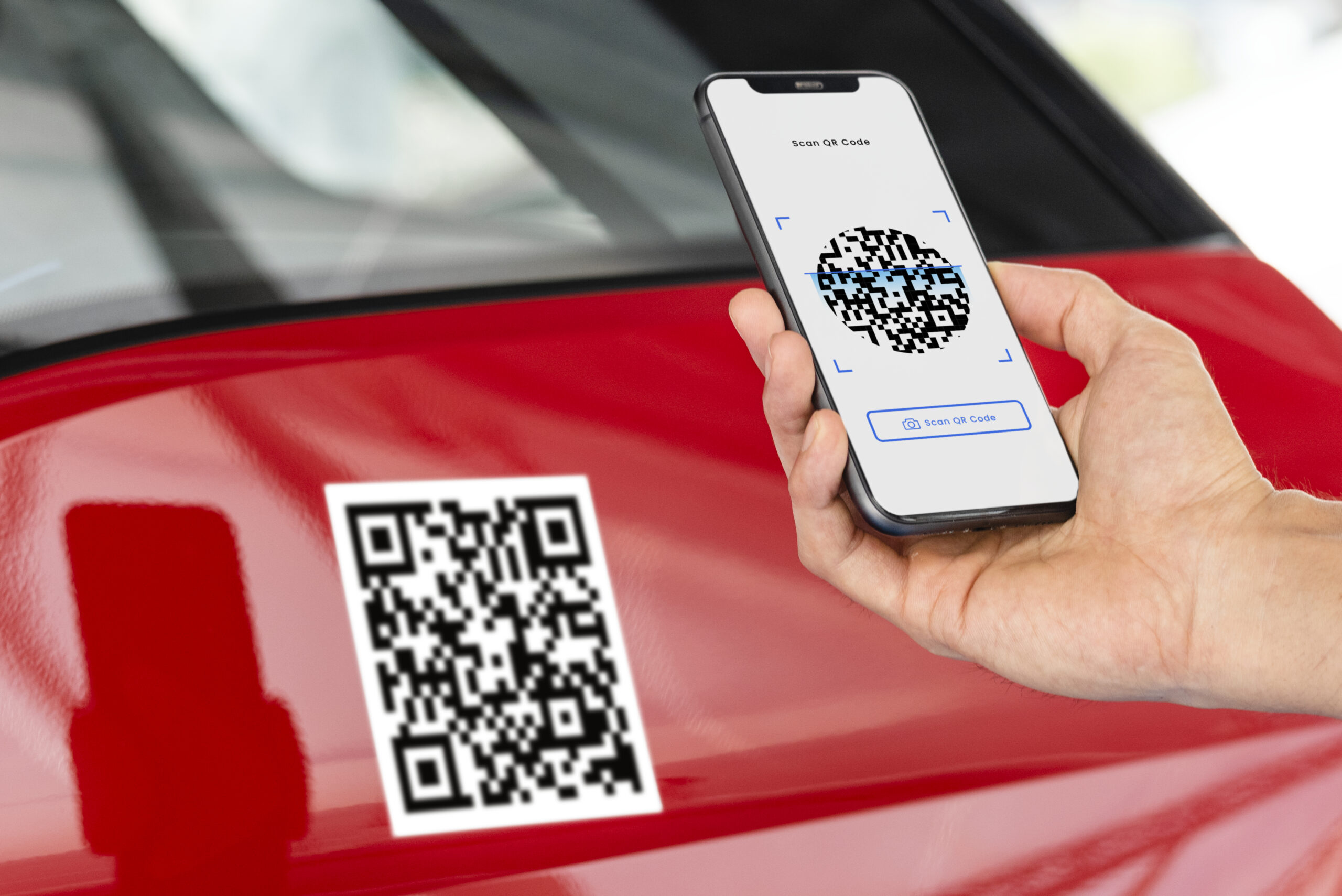
Your business has a strong product and a compelling message, but if your marketing feels disconnected, you might be relying too much on a single approach. Some brands focus entirely on digital marketing and miss local engagement opportunities. Others depend on traditional advertising and struggle to attract online customers. The most effective strategy isn’t digital or traditional—it’s both. A hybrid marketing plan ensures your brand is seen, remembered, and acted upon by local customers. Combining digital and traditional marketing for local impact creates a seamless customer journey, ensuring businesses connect with their audience at multiple touchpoints. This approach strengthens brand credibility, enhances customer experience, and maximizes marketing effectiveness. This guide explores how combining digital and traditional marketing strengthens community impact, improves customer engagement, and drives business growth. Why Traditional Marketing Still Works in a Digital Age Digital marketing dominates headlines, but traditional advertising remains essential—especially for businesses with a local customer base. 1. Tangible Presence Builds Trust Traditional marketing physically integrates into daily life. Unlike digital ads, which can be skipped or blocked, print materials and local sponsorships build lasting recognition and credibility. Billboards and Posters: Reinforce brand awareness among daily commuters. Print Advertising: Local newspapers and magazines attract engaged, loyal readers. Radio and TV Ads: Reach audiences during daily routines, such as commuting or evening entertainment. 2. Traditional Marketing Reaches Less Digitally Active Consumers While younger audiences rely on digital platforms, many consumers still prefer offline engagement. Older demographics respond better to print ads, direct mail, and radio. Local event sponsorships build community trust and brand credibility. Traditional marketing fosters a personal connection that digital strategies can struggle to replicate. Why Digital Marketing is Essential for Local Success Traditional marketing creates awareness, but digital marketing turns awareness into action. Today’s customers expect a business to have an online presence before making a purchase decision. 1. Consumers Research Online Before Buying Even if a customer first hears about a business from a print ad or word-of-mouth, they go online to verify and compare options. 76% of people who conduct a local search visit a store within 24 hours. 88% of consumers trust online reviews as much as personal recommendations. Without a strong digital presence, businesses risk losing customers who want more information before making a decision. 2. Digital Marketing is Cost-Effective and Data-Driven Unlike traditional ads, digital marketing provides real-time analytics, allowing businesses to adjust strategies for better results. Google and Facebook Ads let businesses target specific local audiences. SEO-optimized websites ensure brands appear in relevant local searches. Email and social media campaigns help nurture leads and drive conversions. With measurable outcomes, digital marketing offers a higher return on investment than many traditional methods. How to Seamlessly Integrate Digital & Traditional Marketing The best marketing strategies blend digital and traditional methods to create a seamless customer journey. 1. Drive Digital Engagement Through Traditional Marketing Traditional marketing introduces your brand. Digital marketing deepens customer interaction. Print ads with QR codes that direct users to a website or promo page. Radio ads that encourage social media engagement with a hashtag or contest. Flyers and brochures with social media handles and website links for continued engagement. 2. Use Digital Marketing to Amplify Traditional Efforts Once brand awareness is established through traditional marketing, digital strategies keep customers engaged. Retarget potential customers who have seen a print or TV ad with online ads. Promote in-store events through email and social media campaigns. Feature customer testimonials in digital content to build trust. 3. Ensure Consistent Messaging Across All Channels Customers should experience a unified brand identity whether they interact with your business in-person, on social media, or through print materials. Keep branding uniform across digital and traditional media. Use the same slogans, offers, and visuals across platforms. Offer seamless transitions between offline and online experiences. An integrated approach keeps your brand recognizable and ensures customers receive the same message everywhere they encounter your business. Real-World Success Stories: Businesses That Nailed the Hybrid Approach Neighborhood Café: Flyers & Social Retargeting A local café distributed discount flyers in the neighborhood while running a Facebook and Instagram retargeting campaign aimed at nearby residents. Results: 42% of customers who used the flyer had also engaged with their online ads, reinforcing brand presence across multiple touchpoints. Retail Store: Print & Digital Integration A boutique clothing store placed a newspaper ad featuring a QR code that led to a special online discount page. They then used Google Ads to retarget visitors who scanned the code but didn’t buy immediately. Results: 28% increase in foot traffic. 35% boost in online sales. Fitness Studio: Community Engagement & Digital Follow-Up A fitness studio sponsored a local charity run and gave away branded water bottles with their Instagram handle. They then posted race-day photos online, tagging attendees and encouraging them to share. Results: 50% growth in social media following. 25% increase in new memberships. The Future of Local Marketing is Hybrid Businesses that focus only on traditional marketing risk being overlooked. Those that go fully digital miss out on local engagement. The best strategy is a hybrid approach—leveraging both digital and traditional marketing to create a seamless customer experience. By integrating both strategies, businesses can: Increase brand recognition with traditional advertising. Engage customers in real time through digital channels. Build lasting relationships through community-based marketing efforts. For local businesses looking to make a lasting impact, a well-balanced marketing strategy ensures your brand is everywhere your customers are.

How Data Privacy Impacts Digital Marketing and Customer Trust

How data privacy impacts digital marketing and customer trust is now a defining concern for businesses and consumers alike. Companies rely on data to personalize experiences, optimize campaigns, and measure engagement. However, increasing privacy concerns and evolving regulations are forcing businesses to rethink their approach. Consumers expect brands to be transparent about how their data is collected, stored, and used. Regulations such as the General Data Protection Regulation (GDPR) and the California Consumer Privacy Act (CCPA) enforce stricter rules, making compliance a priority. Businesses that fail to adopt privacy-first marketing practices risk legal penalties, reputational damage, and loss of customer confidence. By prioritizing responsible data collection, ethical marketing, and secure storage, businesses can maintain trust and long-term customer relationships. Companies that adapt to this privacy-conscious era will not only stay compliant but also strengthen their brand credibility in a competitive digital landscape. The Role of Data Privacy in Digital Marketing Data privacy is now a defining factor in how businesses develop and implement marketing strategies. New privacy laws and shifting consumer attitudes require brands to rethink how they collect, store, and use customer data. Ways Data Privacy Affects Digital Marketing Regulatory Compliance – Laws such as GDPR and CCPA require companies to obtain user consent before collecting personal data. Decline of Third-Party Cookies – Companies must transition to first-party data collection for audience insights. Enhanced Consumer Control – Users have the right to access, modify, or delete their personal data. Stronger Security Requirements – Businesses must implement encryption and authentication to protect sensitive data. Impact on Ad Targeting – Restrictions on tracking limit the effectiveness of traditional digital advertising. How Businesses Can Adapt Leverage First-Party Data – Collect insights directly through website interactions, surveys, and email sign-ups. Adopt Privacy-Compliant Analytics – Use tools that measure engagement without storing personal identifiers. Implement Consent-Based Marketing – Offer clear opt-in and opt-out options for data collection. Communicate Transparency – Provide easily accessible privacy policies and updates. By embracing ethical marketing practices, businesses can maintain audience engagement while complying with evolving privacy regulations. Why Customer Trust Relies on Data Privacy Customer trust is critical for business success. A 2023 Cisco survey found that 81% of consumers consider a company’s data protection efforts a key factor in determining trustworthiness. Mishandling data can lead to loss of confidence, negative publicity, and regulatory scrutiny. Factors That Build Consumer Trust Clear Privacy Policies – Customers appreciate transparency in how their data is collected and used. Strong Data Security – Encryption, authentication, and firewalls protect consumer information. User Control Over Data – Businesses that allow users to manage their data preferences earn more trust. Accountability and Responsiveness – Companies that quickly address privacy concerns demonstrate reliability. Consequences of Poor Data Privacy Practices Loss of Customer Trust – Once lost, trust is difficult to regain. Legal and Financial Risks – Fines and lawsuits can significantly impact business operations. Reputational Damage – High-profile data breaches lead to negative media attention and brand distrust. Best Practices for Strengthening Trust Publish Clear Privacy Policies – Ensure policies are easy to understand and readily accessible. Secure Consumer Data – Invest in cybersecurity tools to prevent unauthorized access. Empower Customers – Provide users with control over their data preferences. By prioritizing customer data protection, businesses can reinforce trust and strengthen their brand reputation. How Digital Marketers Can Adapt to a Privacy-First Landscape The decline of third-party tracking and increased privacy regulations require marketers to rethink their engagement strategies. Invasive tracking is no longer viable, and businesses must shift to ethical, consent-driven campaigns. Privacy-Friendly Marketing Strategies First-Party Data Collection Gather data through customer interactions, loyalty programs, and email sign-ups. Offer value exchanges, such as discounts or exclusive content, for voluntary data sharing. Contextual Targeting Display ads based on webpage content rather than user behavior tracking. Use keyword-based targeting to align ads with relevant topics. Privacy-Compliant Analytics Implement analytics tools that track engagement without storing personal identifiers. Use AI-driven insights to personalize marketing without violating privacy laws. Permission-Based Marketing Require explicit opt-ins for email lists and promotional campaigns. Offer users privacy settings to customize data-sharing preferences. Enhanced Security Measures Apply multi-factor authentication to protect sensitive customer data. Conduct regular security audits to detect vulnerabilities. By adopting privacy-first digital marketing techniques, businesses can engage audiences while respecting their data rights. The Future of Digital Marketing in a Privacy-Centric World As data privacy laws evolve, digital marketers must prepare for a future where ethical, transparent engagement is the standard. Emerging Trends in Privacy-First Marketing Zero-Party Data Collection – Encouraging customers to voluntarily share their preferences for tailored experiences. AI-Powered Personalization – Leveraging machine learning to optimize marketing strategies without invasive tracking. Stronger Global Privacy Regulations – More governments implementing GDPR-like laws to enhance consumer protections. Privacy-Focused Branding – Businesses using privacy as a competitive advantage to differentiate themselves. Companies that embrace ethical marketing practices will build stronger customer relationships and maintain long-term success. The Path Forward: Building Trust Through Privacy-First Marketing Data privacy is transforming digital marketing, making customer data protection a priority for businesses worldwide. As regulations increase and consumers demand more transparency, companies must shift toward privacy-first digital marketing strategies to maintain compliance and trust. By committing to ethical data practices, businesses can build lasting relationships with their customers while staying compliant in an evolving digital landscape.

Leveraging Trends to Align with Health-Conscious Buyers

The demand for health-conscious products and services has grown exponentially, reshaping industries and creating new opportunities for brands to connect with mindful consumers. By aligning with trends and understanding buyer priorities, businesses can establish trust, boost loyalty, and ultimately drive growth. This blog explores actionable strategies for leveraging trends to align with health-conscious buyers while providing insights into emerging behaviors and preferences. Understanding the Health-Conscious Consumer Health-conscious consumers prioritize wellness in every aspect of their lives, from diet and fitness to mental health and environmental sustainability. These individuals actively seek products that align with their values, including transparency, clean ingredients, and ethical sourcing. Key characteristics of health-conscious buyers include: A preference for organic or clean-label products. A commitment to sustainable practices and brands with environmental awareness. A growing focus on mental health and holistic wellness alongside physical health. Industries such as food and beverage, personal care, and fitness technology have seen the most significant shift toward health-conscious trends. Businesses that meet these demands often see stronger brand loyalty and increased word-of-mouth advocacy. Why Aligning with Trends Matters Consumer trends serve as a reflection of evolving priorities and provide invaluable insights into market needs. For health-conscious buyers, trends often reveal their changing expectations, such as a greater focus on mental well-being or a desire for eco-friendly products. Benefits of aligning with these trends include: Increased relevance: Staying ahead of trends ensures your business remains top-of-mind for customers. Enhanced loyalty: Buyers are more likely to support brands that reflect their values. Market differentiation: Trend-driven marketing allows your brand to stand out in a competitive market. Failing to adapt risks losing relevance in an increasingly health-focused world, as consumers are quick to move on to brands that better meet their needs. Key Health Trends Shaping Buyer Behavior Keeping pace with emerging health trends is essential to connecting with health-conscious consumers. Here are four major trends shaping consumer behavior today: Organic and Clean-Label Products Shoppers are scrutinizing ingredient labels more than ever, opting for products free of additives, preservatives, and artificial chemicals. Plant-Based and Sustainable Diets The rise of flexitarian diets has pushed plant-based products into the mainstream, with buyers seeking both health and environmental benefits. Wearable Tech and Data-Driven Wellness Fitness trackers and health apps enable consumers to monitor everything from sleep patterns to hydration levels, fostering more personalized wellness routines. Mental Health and Holistic Wellness Products and services that promote mindfulness, self-care, and emotional well-being are rapidly gaining traction. These trends reveal not just what consumers want but also how businesses can create value by aligning with these priorities. Strategies to Align with Health-Conscious Buyers To build meaningful connections with health-conscious consumers, brands must take a proactive and authentic approach. Key strategies include: Emphasizing Sustainability: Highlight your efforts to reduce waste, source ethically, and adopt eco-friendly packaging. Transparent Communication: Clearly disclose product ingredients, sourcing, and manufacturing processes to earn trust. Personalized Marketing: Use customer data to tailor messages that address individual health goals, such as fitness milestones or dietary preferences. Example: A personal care brand could spotlight its cruelty-free certifications and promote refillable packaging options, appealing to buyers who value sustainability and animal welfare. Leveraging Technology to Monitor Trends Staying ahead of health-conscious trends requires effective use of technology to gather and analyze data. Tools like Google Trends, social media analytics, and industry reports can reveal emerging buyer preferences in real-time. Additionally, AI-driven tools enable businesses to predict consumer behavior and refine their strategies accordingly. Case Study: A fitness app that tracks user activity could identify increasing interest in guided meditation sessions and introduce new features to address this demand, staying relevant while fostering deeper engagement. Building Trust with Health-Conscious Consumers Trust is at the core of any relationship with health-conscious buyers. These consumers demand authenticity and are quick to turn away from brands that make exaggerated or misleading claims. To build and maintain trust: Be Authentic: Share your company’s mission and values in an honest, relatable way. Address Concerns: Respond openly to questions about product safety, sourcing, or certifications. Tell Stories: Use storytelling to connect emotionally with your audience, such as highlighting real customer experiences or supplier partnerships. Developing Tailored Marketing Campaigns Marketing to health-conscious buyers requires a nuanced approach that speaks directly to their priorities. Some best practices include: Incorporating health-focused visuals and messaging into campaigns. Collaborating with influencers who embody health-conscious values to amplify your message. Timing campaigns around seasonal health trends, such as fitness goals in January or hydration during summer months. Personalized campaigns not only resonate more deeply but also demonstrate your commitment to understanding and meeting consumer needs. The Role of Social Responsibility in Buyer Decisions Health-conscious buyers increasingly expect brands to take a stand on social and environmental issues. By aligning with these values, businesses can strengthen their connection with their audience. Examples of impactful initiatives include: Supporting causes like reducing single-use plastics or improving access to nutrition education. Participating in community health events to build goodwill. Consumers want to see businesses doing more than just selling—they expect action that aligns with their values. Measuring the Impact of Trend-Driven Marketing To ensure success, businesses must track the impact of their efforts. Key performance indicators (KPIs) for trend-driven marketing include: Engagement rates on social media campaigns. Sales growth in trend-related product categories. Customer retention rates among health-conscious buyers. Regularly collecting and analyzing feedback can also reveal areas for improvement, ensuring your strategy remains effective and relevant. Trends to Watch in 2025 and Beyond As consumer behaviors continue to evolve, here are some trends to keep an eye on: Holistic Wellness Ecosystems: Integrating fitness, mental health, and nutrition into unified services. Personalized Nutrition: Advancements in DNA testing for tailored diets. Virtual Reality in Wellness: VR-enabled fitness classes and immersive meditation experiences. Adopting these innovations early can position your brand as a leader in the health-conscious space. Conclusion Aligning with trends isn’t just about staying current—it’s about building deeper connections with health-conscious consumers by understanding and meeting their needs. By emphasizing authenticity, leveraging technology, and staying attuned

Omnichannel Success for a Seamless Customer Journey

In a world where customer expectations are sky-high, businesses cannot afford fragmented experiences. Every interaction with a brand, whether online or offline, contributes to a customer’s perception. Omnichannel success for a seamless customer journey enables brands to create a connected experience where transitions between touchpoints are effortless and satisfying. By integrating all customer-facing channels, companies can align their efforts, increase customer retention, and deliver exceptional value. In this blog, we’ll explore the key elements of an omnichannel strategy, its benefits, and actionable steps to ensure seamless execution. What Is Omnichannel Success? Omnichannel success refers to providing a consistent and personalized experience across all customer touchpoints—whether they’re engaging with your business online, in-store, or through social media. The goal is to integrate these channels so customers feel like they’re interacting with a unified brand rather than disjointed parts. Core elements of an omnichannel strategy include: Consistent Messaging: Whether it’s an email, Instagram ad, or website banner, the message should reflect your brand’s identity and tone. Data Synchronization: Centralized systems ensure customer data is shared across platforms, providing a holistic view of their journey. Frictionless Transitions: Customers should be able to switch between devices or platforms without losing their progress or context. Example in Action: Consider a customer browsing furniture on a retailer’s website. Later, they visit the store and receive personalized recommendations based on their online activity. This seamless interaction demonstrates omnichannel success in action. The Benefits of a Seamless Customer Journey Why does creating a seamless customer journey matter so much? Because consistency and ease directly impact a customer’s loyalty, satisfaction, and likelihood to recommend your business. Key benefits include: Higher Customer Retention When customers can interact with your brand effortlessly, they’re more likely to return for future purchases. Increased Revenue A frictionless journey reduces drop-offs and encourages customers to complete their purchases, leading to higher conversion rates. Stronger Brand Loyalty Customers who experience smooth transitions between touchpoints are more inclined to become repeat buyers and advocates. Improved Customer Satisfaction By eliminating pain points, you deliver a better overall experience, keeping customers happy and engaged. Enhanced Data Insights Tracking customer behavior across channels provides valuable insights for optimizing future strategies. Did you know? According to McKinsey, companies that implement seamless customer journeys see up to a 20% increase in customer satisfaction and a 15% rise in revenue growth. Building a Winning Omnichannel Strategy Creating a successful omnichannel approach requires careful planning and execution. Follow these steps to deliver a seamless customer journey: 1. Understand Your Audience Use customer feedback, surveys, and analytics to understand behavior and preferences. Develop personas to represent your target audience and their needs. 2. Integrate Technology Implement customer relationship management (CRM) tools to centralize data. Leverage AI-driven personalization to customize experiences. 3. Streamline All Touchpoints Optimize your website, mobile app, and in-store experience to reflect consistent branding. Ensure channels are compatible with each other for smooth transitions. 4. Emphasize Personalization Use dynamic content in emails or ads to reflect individual customer preferences. Tailor recommendations based on browsing history or purchase behavior. 5. Test and Adjust Regularly Conduct A/B tests to identify what resonates with customers. Analyze key performance indicators (KPIs) like retention rates and conversion rates to refine strategies. Challenges in Achieving Omnichannel Success While the benefits of omnichannel success are undeniable, implementing it comes with challenges. Here’s how to address the most common obstacles: 1. Disconnected Systems Challenge: Siloed data between departments leads to inconsistencies. Solution: Use integrated tools like Salesforce or HubSpot to unify customer data. 2. Limited Resources Challenge: Small businesses may lack the resources to manage multiple channels effectively. Solution: Prioritize high-performing platforms and expand as your budget grows. 3. Inconsistent Messaging Challenge: Different teams creating separate campaigns can dilute your brand voice. Solution: Create a centralized branding guide and ensure all teams follow it. Technology as the Backbone of Omnichannel Strategies Technology plays a pivotal role in ensuring seamless customer journeys. From automation to data tracking, modern tools simplify the complexities of managing multiple channels. Essential technologies include: CRM Platforms Tools like Zoho CRM and Salesforce consolidate customer data for consistent messaging. Chatbots Chatbots on websites and apps offer real-time support to customers across touchpoints. Artificial Intelligence (AI) AI-powered personalization delivers tailored product recommendations or reminders based on customer behavior. Inventory Management Systems Synchronize inventory across online and offline stores to avoid discrepancies. By leveraging these technologies, businesses can stay agile and provide exceptional service at every stage of the journey. Measuring Omnichannel Success Tracking your strategy’s performance is critical to understanding its impact and making data-driven improvements. Use these key performance indicators (KPIs) to evaluate success: Customer Retention Rate: Measures how many customers continue to engage with your brand. Net Promoter Score (NPS): Tracks how likely customers are to recommend your business. Cart Abandonment Rate: Identifies how often customers leave without completing purchases. Average Order Value (AOV): Tracks the average spend per transaction across channels. Analyzing these KPIs regularly ensures your omnichannel strategy remains aligned with customer expectations. Real-Life Examples of Omnichannel Success Some of the world’s top brands have mastered omnichannel marketing. Let’s look at their strategies: Nike: The Nike app integrates in-store and online shopping, allowing customers to reserve items online and pick them up in-store. Amazon: With features like “Buy Online, Pick Up in Store,” Amazon offers seamless transitions between physical and digital touchpoints. Sephora: The beauty retailer combines in-store technology with its app to provide personalized product recommendations and loyalty rewards. These examples highlight how innovative strategies can create lasting impressions and drive customer loyalty. Conclusion Achieving omnichannel success for a seamless customer journey is essential for businesses that want to stay ahead in a competitive market. By unifying your touchpoints, leveraging technology, and personalizing the customer experience, you can meet and exceed customer expectations. The rewards are clear: higher retention, increased revenue, and stronger customer relationships. Start small, embrace innovation, and watch your brand flourish as you deliver the seamless experiences today’s customers demand.

Personalized Marketing Through First-Party Data

In an increasingly privacy-conscious world, businesses are shifting to personalized marketing through first-party data to build genuine relationships with their customers. This strategy leverages data that customers willingly share to create tailored campaigns that are both respectful and effective. By focusing on this approach, businesses can enhance engagement, foster loyalty, and future-proof their marketing efforts. What Is First-Party Data and Why Does It Matter? First-party data refers to the information collected directly from your audience. This data includes: Website Analytics: Page visits, clicks, and session durations. Purchase Behavior: Products bought, order frequency, and preferences. Customer Feedback: Surveys, reviews, and support inquiries. Email Engagement: Open rates, click-through rates, and subscription details. This data is not only accurate but also ethical because it comes directly from your customers. Unlike third-party data, it ensures compliance with privacy laws like GDPR and CCPA, while eliminating the need for expensive external data sources. Additionally, first-party data empowers businesses to: Build trust by being transparent about data usage. Create personalized campaigns that reflect customer interests. Reduce costs associated with buying third-party lists. By making first-party data the cornerstone of your strategy, you’re investing in sustainable, customer-centric marketing practices. The Importance of Personalized Marketing Generic marketing no longer resonates in today’s world. Customers expect tailored experiences, and brands that fail to deliver risk losing their audience. Personalized marketing stands out by: Enhancing Relevance: Messaging aligns with customer needs and interests. Boosting Engagement: Higher click-through rates and conversions. Strengthening Loyalty: Customers are more likely to stick with brands that “get” them. For example, a customer who regularly purchases athletic gear may appreciate a discount on running shoes or a curated guide to the latest fitness trends. This level of customization deepens emotional connections, turning occasional buyers into lifelong advocates. How First-Party Data Fuels Personalized Marketing First-party data provides the foundation for personalization by offering rich insights into customer behavior. Here’s how it drives results: 1. Deeper Audience Insights Using first-party data, businesses can analyze: Demographics: Age, location, and interests. Behavioral Trends: Purchase cycles and website navigation. Preferences: Products or services customers engage with most frequently. These insights allow businesses to segment audiences effectively, ensuring that every message feels relevant. 2. Improved Trust and Transparency Customers are more likely to engage when they know their data is being used ethically. Sharing how first-party data improves their experience—such as personalized offers or faster service—builds trust and encourages further engagement. 3. Enhanced Campaign Performance Tailored campaigns are naturally more effective. With first-party data, businesses can: Send timely promotions based on customer behavior (e.g., abandoned cart emails). Offer targeted recommendations that drive upsells or cross-sells. Avoid irrelevant messaging, reducing the likelihood of customer churn. 4. Cost-Effective Solutions Owning your data eliminates the need for costly third-party providers. By focusing on your own audience, you reduce acquisition costs and improve ROI. Practical Tips for Collecting First-Party Data To collect data responsibly and effectively, follow these tips: Be Transparent: Clearly communicate what data you’re collecting and how it will be used. Include a privacy policy on your website. Use Value-Driven Incentives: Offer discounts, free resources, or exclusive access in exchange for information like email addresses or preferences. Leverage Interactive Tools: Use surveys, polls, or quizzes to engage customers while gathering insights. Simplify Opt-Ins: Make it easy for users to sign up or share their data by minimizing friction in the process. For example, a clothing retailer might offer a 10% discount in exchange for signing up for their newsletter, allowing them to collect valuable email addresses while providing immediate value to the customer. Overcoming Challenges in Personalized Marketing Through First-Party Data Despite its advantages, leveraging first-party data comes with challenges. Here’s how to address them: 1. Data Silos When data is stored across multiple systems, creating a unified customer view can be difficult. Solution: Use tools like a Customer Data Platform (CDP) to centralize information. 2. Privacy Compliance Evolving regulations require strict adherence to privacy laws. Solution: Regularly update your data policies and train your team on compliance best practices. 3. Limited Resources Collecting and analyzing first-party data requires time and expertise. Solution: Start small, using free or affordable tools like Google Analytics, and scale up as you grow. By addressing these obstacles, businesses can unlock the full potential of first-party data without compromising trust or efficiency. Real-World Examples of Success Amazon Amazon’s recommendation engine is powered by first-party data, using browsing and purchase history to suggest relevant products. This personalization drives both customer loyalty and sales growth. Netflix Netflix uses viewing habits to create tailored recommendations, ensuring users always find content that matches their preferences. This strategy enhances retention rates and boosts user satisfaction. Sephora Sephora collects data through its loyalty program, combining in-store and online behaviors to deliver personalized promotions and product suggestions. These brands highlight how first-party data can transform customer experiences, turning ordinary interactions into memorable ones. Best Practices for Success To ensure your efforts yield results, follow these best practices: Prioritize Consent: Always ask for explicit permission before collecting data. Segment Smartly: Group customers into categories (e.g., new, repeat, VIP) for tailored messaging. Automate Where Possible: Use tools like email automation platforms to deliver personalized campaigns at scale. Analyze Results: Continuously measure campaign performance and refine your strategy accordingly. By focusing on these principles, businesses can achieve sustainable growth while maintaining customer satisfaction. The Future of Personalized Marketing Through First-Party Data As privacy regulations tighten and third-party cookies disappear, the importance of first-party data will only grow. Future trends include: AI Integration: Advanced tools that analyze data in real time to create hyper-personalized experiences. Privacy-First Innovation: New tools that prioritize compliance while simplifying data collection. Omnichannel Strategies: Integrating offline and online data for a seamless customer experience. Brands that invest in ethical data practices today will be best positioned to thrive in the customer-centric future. Personalize Your Marketing Personalized marketing through first-party data is a game-changer for businesses seeking to engage customers meaningfully while respecting their privacy. By responsibly collecting and leveraging this data, brands can create tailored

John Sindorf

Director of Strategic Alliances

John believes most businesses don’t need more vendors; they need the right strategic partners.

With decades of experience helping small and mid-sized organizations grow, John specializes in connecting business leaders with the expertise they need to overcome challenges, strengthen operations, and scale with confidence. Whether the conversation centers on sales strategy, marketing, AI, or operational efficiency, his focus is always the same: identifying the right solution for the business, not simply adding another service provider.
Known for his relationship-first approach, John builds partnerships rooted in trust, practical guidance, and measurable outcomes. He helps business owners simplify complex decisions, align the right resources, and spend less time managing vendors and more time leading the businesses they’ve worked so hard to build.

Off the clock: You’ll likely find John networking over coffee, strengthening relationships, and proving that the best business opportunities still begin with genuine conversations.

Kiki DeVane

Marketing Operations Manager

Kiki started her career wanting to change the world through policy, then discovered that a well-built website could be just as powerful. That pivot led her through event marketing, federal communications, and sponsored content for some of the world’s most recognizable brands. She came out the other side a marketing utility player, skilled across strategy, design, development, and copywriting, allowing her to support client campaigns from the front and behind the scenes.

At Silesky, she’s the connective tissue, keeping projects moving, clients informed, and the team empowered to focus on what they do best. What sets Kiki apart is her ability to move fluidly between the operational and the creative without losing momentum in either direction. Whether she’s architecting a workflow, shaping a campaign, or jumping in on a deliverable, she brings the kind of range that elevates every project and strengthens the team around her.

A systems thinker with a creative soul, Kiki brings order to complexity and a genuine investment in seeing the work land the way it should.

Aizaz UI Hassan

Web Developer & Graphic Designer

Aizaz has been the driving force behind Silesky’s web development for over five years. As both a graphic designer and UI/UX developer, he brings a rare mix of technical precision and creative clarity to every project.

What sets Aizaz apart is his ability to understand and interpret the assignment—no extra hand-holding, just sharp instincts and calm professionalism. When timelines are tight and expectations are high, Aizaz is the teammate you want in your corner.

Creative and detail-oriented, Aizaz builds clean, modern websites that marry style with substance. From intuitive flows to scalable layouts, his work consistently delivers digital experiences that perform as well as they look.

With every project, Aizaz ensures the design feels effortless for users and does the heavy lifting for the brand.

Sue Hilger, MBA

Chief Growth Strategist

As Chief Growth Strategist at Silesky Marketing, Sue plays a key role in expanding the agency’s client base while cultivating long-term partnerships grounded in trust, collaboration, and measurable success. She works closely with organizations to help them meet their business goals—and then go beyond them—through smart, scalable marketing strategies.

With an MBA and deep expertise in both B2B and B2C environments, Sue bridges the gap between strategic planning and hands-on execution. She guides clients through Silesky’s end-to-end process, beginning with in-depth discovery and needs assessments and continuing through branding, messaging, digital advertising, and campaign rollout.

Sue is focused on long-term impact. Many of Silesky’s client relationships span decades, which speaks to her ability to integrate seamlessly, think strategically, and consistently deliver results. For Sue, every engagement is more than a project—it’s a partnership.

Mya Stengel

Content Developer & Video Editor

Mya brings the heart of a storyteller and the precision of a screenwriter to every project. With a background in Hollywood scriptwriting—particularly in the horror genre—she understands how to build intrigue, capture attention, and deliver a message that lands with impact.

A lifelong book lover turned brand storyteller, Mya has a gift for finding each client’s voice and shaping it into something authentic and memorable. Whether she’s writing SEO-driven blog content, editing silent video loops, or cutting together a punchy hero reel, she focuses on what makes a brand distinct and brings it to life with clarity and emotion.

From blog posts to behind-the-scenes edits, plot twists to punchlines, Mya’s work helps brands connect more deeply and tell stories that resonate.

Ashelin Walker

Digital Marketing Strategist

Ashelin is a digital marketing strategist who blends technical know-how with creative insight. At Silesky Marketing, she turns strategy into results—helping clients attract the right leads, connect with their audience, and strengthen their online presence.

She designs high-converting landing pages, launches targeted email campaigns, manages CRM platforms, and creates on-brand video content that performs. From big-picture planning to the freckles of a campaign, Ashelin brings cohesion to the chaos and keeps every piece pulling in the right direction.

What sets Ashelin apart is how seamlessly she connects the tactical to the strategic. She doesn’t just check boxes—she makes sure every effort ladders up to a larger goal. Her work helps clients show up in the right places, with the right message, at the right time.

Susi Silesky

Founder & Brand Architect

As the founder of Silesky Marketing, Susi brings more than 30 years of brand strategy and marketing expertise to the table. Her experience spans ambitious startups, global enterprises, nonprofits, and household-name retailers.

Susi is most energized when she’s helping business owners find their voice, shape their story, and build a brand that reflects their vision and gets the results they deserve.

What sets her apart is her deep understanding of entrepreneurs. She’s built a career not just on strong campaigns, but on building genuine relationships. That blend of empathy and expertise is what makes her work both effective and meaningful.

Susi has led successful marketing initiatives across industries—from healthcare and legal to real estate, B2B tech, and pharma. She’s fluent in French, conversational in Spanish, and skilled at translating complex ideas into clear, compelling brand stories.