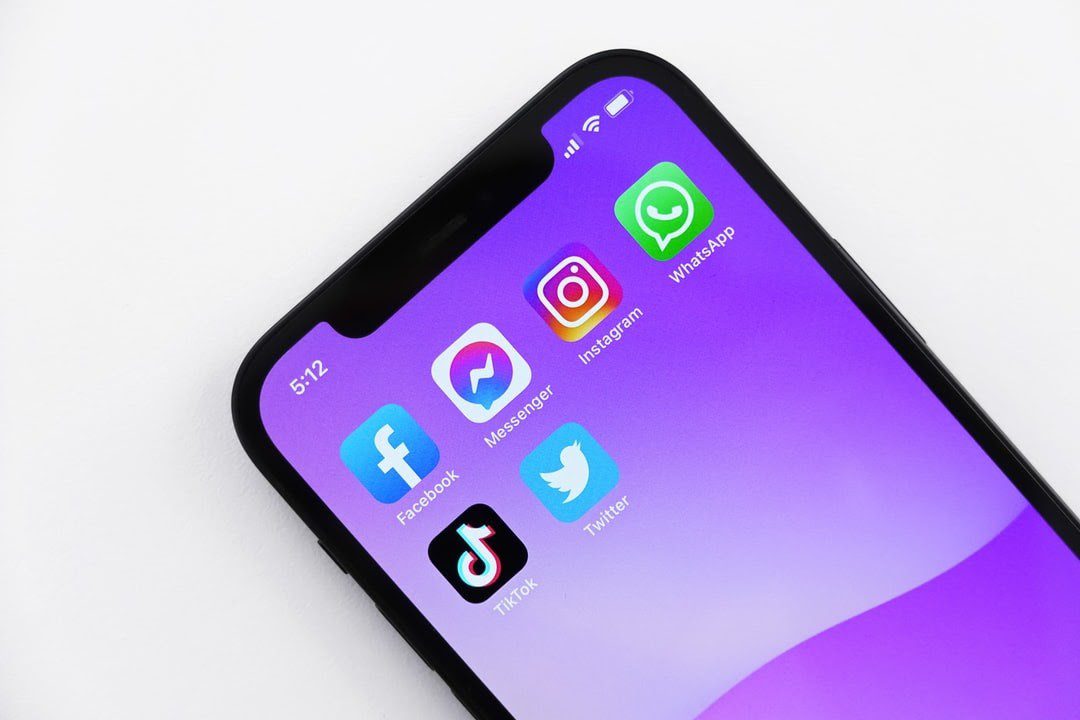
The Power of Storytelling in Brand Building

Storytelling is more than just a buzzword; it is a fundamental element that can transform how brands connect with their audience. A well-crafted story can evoke emotions, build trust, and create a loyal customer base. Harnessing the power of storytelling can transform brand building by creating emotional connections and fostering customer loyalty. For both new clients and seasoned marketers, understanding the nuances of storytelling is crucial for effective brand building. A compelling story can elevate your brand, making it more relatable and memorable. This exploration into the power of storytelling reveals its impact, strategies, and benefits for your marketing efforts. The Importance of Storytelling in Marketing Storytelling is a powerful tool that resonates deeply with human nature. From childhood, we are wired to engage with stories, which help us understand the world and connect with others. In marketing, storytelling taps into this innate human tendency, making brands more relatable and memorable. Creates emotional connections with the audience Makes brands stand out in a crowded marketplace Goes beyond facts and figures When a brand shares its story, it goes beyond mere facts and figures, creating an emotional connection with its audience. This emotional engagement can differentiate a brand, making it stand out and leaving a lasting impression. Building Brand Identity Through Storytelling A strong brand identity is essential for success in today’s competitive market. Storytelling plays a pivotal role in shaping this identity. By articulating the brand’s mission, values, and vision through a compelling narrative, businesses can create a distinct persona that resonates with their target audience. Defines the brand’s mission, values, and vision Attracts like-minded consumers Builds a community around shared values For instance, a brand that positions itself as environmentally conscious can tell stories about its sustainability efforts, thus attracting eco-conscious consumers. This narrative not only defines the brand but also builds a community of like-minded individuals who share the same values. Creating Emotional Connections with Your Audience One of the most significant advantages of storytelling is its ability to forge emotional connections. Unlike traditional advertising, which often focuses on the product’s features and benefits, storytelling humanizes the brand. It brings out the emotions, aspirations, and challenges of the characters involved, making the audience empathize with them. Humanizes the brand Fosters trust and loyalty Creates a sense of empathy and connection When consumers feel an emotional bond with a brand, they are more likely to trust it, remain loyal, and advocate for it. This emotional loyalty can translate into long-term customer relationships and increased brand equity. Enhancing Customer Engagement and Loyalty Engaging customers is a critical aspect of any marketing strategy, and storytelling is a powerful way to achieve this. Stories captivate the audience’s attention, making them more likely to engage with the content. Whether it’s through social media posts, blog articles, or video content, storytelling can make your marketing efforts more engaging and interactive. Captures audience attention Encourages engagement with content Promotes repeat purchases and referrals Moreover, when customers see themselves in the brand’s story, they feel a sense of belonging and loyalty. This connection encourages repeat purchases and word-of-mouth referrals, which are invaluable for brand growth. Storytelling Techniques for Effective Brand Building To harness the power of storytelling, brands must employ effective techniques that resonate with their audience. Here are some strategies to consider: Authenticity: Reflect the true essence of the brand. Avoid exaggerated claims or fabricated narratives. Relatability: Create stories that your target audience can relate to. Understand their pain points, desires, and aspirations. Emotional Appeal: Use emotions to connect with your audience. Emotional stories are more impactful and memorable. Consistency: Maintain a consistent narrative across all marketing channels. Visual Storytelling: Incorporate visuals, such as images and videos, to enhance your storytelling. The Role of Storytelling in Digital Marketing In the digital age, storytelling has become even more critical. With the proliferation of social media and online content, brands have numerous platforms to share their stories. Digital storytelling can take various forms, including blogs, social media posts, videos, podcasts, and more. Blogs provide in-depth narratives Social media allows for quick, visual storytelling Videos and podcasts offer engaging, multi-sensory experiences Each platform offers unique opportunities to connect with the audience and tell the brand’s story in different ways. Leveraging these platforms effectively can amplify the brand’s reach and impact. Case Studies: Brands That Excel in Storytelling Several brands have mastered the art of storytelling, setting benchmarks in the industry. For example, Nike’s “Just Do It” campaign is a classic example of powerful storytelling. The brand’s narrative focuses on overcoming challenges and pushing limits, resonating with athletes and fitness enthusiasts worldwide. Nike’s campaign emphasizes perseverance and resilience Apple’s stories highlight innovation and creativity Similarly, Apple tells stories of innovation and creativity, positioning itself as a brand for thinkers and visionaries. These case studies demonstrate how effective storytelling can elevate a brand, making it more compelling and influential. Challenges and Solutions in Brand Storytelling While storytelling is a potent tool, it comes with its challenges. One common challenge is ensuring authenticity without oversharing. Brands need to strike a balance between transparency and maintaining a professional image. Avoid oversharing while staying authentic Measure the impact using engagement metrics Use customer feedback to refine storytelling Additionally, measuring the impact of storytelling can be difficult, as its effects are often intangible. To overcome these challenges, brands can use metrics such as engagement rates, customer feedback, and brand sentiment analysis to gauge the effectiveness of their storytelling efforts. Future Trends in Brand Storytelling As technology evolves, so do the methods and trends in brand storytelling. Emerging technologies like augmented reality (AR) and virtual reality (VR) are creating new possibilities for immersive storytelling. Brands can use these technologies to create interactive and engaging experiences that captivate their audience. AR and VR offer immersive storytelling experiences User-generated content enhances authenticity New platforms provide fresh storytelling opportunities Additionally, user-generated content is becoming increasingly popular, allowing customers to share their stories related to the brand. This not only enhances authenticity but also fosters a sense of


Why is Reputation Management Important for My Business?

The spotlight on your business intensifies with each click, share, and review in the digital realm, making your reputation one of your most valuable assets. Managing your business reputation is essential as it directly impacts customer trust and your overall success. Far from being just a strategy for large corporations, reputation management is crucial for businesses of all sizes. It shapes public perception, influences consumer decisions, and can even dictate the future viability of your brand. This essential process ensures that the image you project matches the values your business stands for. The Role of Reputation Management Monitoring and Influencing Perceptions Reputation management actively monitors and shapes how others see your business. It combines marketing, public relations, and communication to craft your image. Importantly, a robust reputation enhances your visibility and builds trust. By engaging with your audience and handling feedback professionally, you solidify a resilient brand image. Effective reputation management also involves continuously assessing how brand actions are perceived externally, allowing businesses to pivot strategies as needed. It not only responds to immediate concerns but also strategically builds a positive long-term public perception. Impact on Customer Trust Building Loyalty through Consistency Trust forms the cornerstone of loyalty and success. Reputation management fosters this trust through consistent, honest communication. When companies manage their reputations well, including professional responses to criticism, they cement customer trust. This deep trust boosts customer retention and can increase their willingness to pay more for your services. Customers value transparency and responsiveness, which are key traits that reputation management enhances to build deeper relationships. Maintaining this dialogue even in quiet times can prevent issues and enhance loyalty. The Digital Dimension of Reputation Management Controlling the Online Narrative Today, information and misinformation can spread swiftly. Thus, vigilance is crucial over online reviews, social media, and news articles. Proactively managing your digital reputation involves creating content that reflects your brand values. This content helps mitigate any negative information online. Companies must also actively engage in digital spaces to correct inaccuracies and present their side of the story effectively. They must also monitor digital trends and adapt their strategies accordingly. Long-term Benefits of Strong Reputation Management Sustaining Competitive Advantage Effective reputation management attracts new customers and retains existing ones, reinforcing their choice of your brand. Moreover, a strong reputation provides a competitive edge, acts as a buffer against bad publicity, and increases your business valuation. Over time, this leads to sustained market presence and profitability, with reputation acting as a key differentiator in competitive industries. It secures a legacy of quality and reliability that new and old customers alike can trust. Reputation Management as a Risk Management Tool Mitigating Potential Threats Reputation management also serves as risk management, preparing your business for unexpected events like public scandals or service failures. Strong policies and employee training in reputation management can prevent potential issues from escalating. By proactively managing risks, companies can minimize the impact of negative incidents on their reputation and maintain customer trust even in crisis situations. This proactive approach is crucial for maintaining operational stability and customer confidence. Cultivating a Positive Workplace Culture Enhancing External Perceptions Through Internal Practices A positive internal culture significantly affects your external reputation. Happy, engaged employees naturally promote your company. Their positive testimonials enhance your public image, strengthening your reputation further. By investing in employee satisfaction, companies not only improve workplace morale but also enhance their overall market image through organic, positive messaging from within. Employees who feel valued often deliver superior customer service, further enhancing the company’s reputation. The SEO Advantage of Reputation Management Boosting Online Visibility Managing your reputation well also boosts your SEO efforts. Positive reviews and active social engagement enhance your search engine rankings. Higher rankings increase your visibility, creating more business opportunities and bolstering your online reputation. Effective SEO practices intertwined with reputation management can dramatically improve a brand’s discoverability and attractiveness online. This synergy between SEO and reputation management drives more traffic and potential customers to your business. Future-Proofing Your Business Preparing for Tomorrow’s Challenges Investing in reputation management secures the future of your company. In a world that values transparency, maintaining an impeccable reputation attracts and retains customers. It prepares you for future business challenges and opportunities. A forward-looking approach in managing reputation helps businesses adapt to evolving consumer expectations and technological advancements. This investment also mitigates future risks, positioning the business for sustainable growth and success. Leveraging Social Media for Proactive Reputation Management Engaging with Your Audience Social media platforms offer unprecedented opportunities for proactive reputation management. By regularly engaging with followers, businesses can build a community around their brand. This interaction not only humanizes your brand but also allows for immediate feedback and response to customer concerns. Crafting a social media strategy that reflects the brand’s values and engages with content that resonates with your audience can turn followers into brand advocates. This direct line to consumers helps control the narrative and build a robust online presence. Going Forward… In essence, reputation management does more than protect—it builds and maintains a positive perception that drives success. As the business environment evolves, the importance of proactive reputation management grows. Investing in comprehensive strategies ensures your business stays relevant and preferred by customers. By prioritizing reputation management, businesses not only safeguard their present but also secure their future. This strategic focus is essential for any business looking to thrive in a competitive market.

Why Your Business Card Matters for First Impressions

The power of a physical connection cannot be underestimated. Amidst countless emails, social media posts, and online profiles, a well-crafted business card stands out as a tangible representation of your professional identity. More than just a piece of paper bearing your name and contact details, your business card is a strategic tool for creating memorable first impressions. Your business card matters for first impressions by showcasing your brand and making a lasting impact in twenty words or less. As you navigate the fast-paced world of business, your card serves as a powerful ally in forging meaningful connections and opening doors to new opportunities. Introduction to Business Cards in Modern Marketing Business cards remain an important tool even in today’s digital age. They provide a personal touch and help bridge the gap between online networking and in-person connections. A business card is more than just contact information – it represents your brand’s identity and values. For professionals aiming to make a lasting impression, business cards are essential. The Importance of Personal Branding Your business card is a tangible representation of your personal brand. Beyond your name and title, it conveys your brand’s personality, style, and professionalism. The design, quality, and feel of your card can shape how others perceive you. Your business card should reflect who you are and what you stand for as a professional. The Role of Design in Business Cards The design of your business card plays a crucial role in communicating your brand effectively. Elements like color, font, layout, and images should align with your brand identity. A well-designed card is visually appealing and strategically conveys the right message at a glance. Consistent design across all your marketing materials, including your card, builds brand recognition and trust. The Impact of Typography and Color The fonts and colors used on your business card influence how it is perceived. Choose a font style and size that is easy to read and matches your brand’s tone, whether professional, creative, or modern. Color psychology also plays a part – for example, blue conveys trust while red evokes energy. Using the same fonts and colors consistently strengthens your brand identity. Making a Memorable First Impression Strategic Networking with Business Cards Business cards are an essential tool in networking. They provide a quick and effective way to share your contact details and professional identity. In the context of conferences, meetings, and other networking events, a business card is a professional courtesy that facilitates future connections and opportunities. Following up after exchanging business cards with a personalized message can strengthen the initial connection and foster long-term relationships. The Psychology Behind First Impressions Psychologically, first impressions are formed within seconds and are notoriously difficult to change. A business card that stands out can make the difference between being remembered or forgotten. This makes it imperative that your business card reflects the highest professionalism and quality that you want associated with your brand. Using unique elements like embossing or foil stamping can create a tactile experience that enhances memorability. Leveraging Technology in Business Cards While traditional business cards remain invaluable, integrating technology can add a modern twist. QR codes on business cards can lead recipients directly to your website or portfolio, enhancing engagement and convenience. Similarly, digital business cards or NFC-enabled cards offer a seamless way to exchange information digitally, catering to tech-savvy professionals and reducing paper waste. Balancing traditional and tech-savvy approaches ensures you cater to diverse preferences. Optimizing Your Business Card for Impact Choosing the Right Material and Finish The material and finish of your business card speak volumes about your brand’s quality and attention to detail. Options range from classic matte and glossy finishes to more unique textures such as linen or embossed paper. Each choice offers a different sensory experience and can set your card apart from others. Experimenting with eco-friendly materials also aligns with sustainability trends and can resonate with environmentally conscious recipients. Innovative Business Card Designs Innovation in business card design can include QR codes, unconventional shapes, or interactive elements. These features can make your card not only a tool for sharing contact information but also an engaging experience that leaves a lasting impression. Incorporating your brand’s story or a memorable quote can add a personal touch that resonates with recipients long after the initial exchange. Personalization and Customization Tailoring your business cards to specific audiences or occasions can enhance their impact. For example, including a handwritten note or customizing the design for a particular event shows thoughtfulness and attention to detail. Personalized cards create a connection and make recipients feel valued, increasing the likelihood of follow-up interactions and referrals. Measuring the Return on Investment While seemingly a small part of marketing budgets, the ROI on well-crafted business cards can be significant. They are a low-cost, high-impact element of your marketing strategy that can open doors to lucrative opportunities. Cost-Effectiveness of Business Cards Compared to other marketing tools, business cards are among the most cost-effective. The expense of designing and printing high-quality business cards is minimal relative to the potential business each card can generate. Additionally, leveraging bulk printing discounts and digital design tools can further optimize costs without compromising quality. Tracking and Analyzing Business Card Performance To gauge the effectiveness of your business cards, employ analytics and tracking methods. QR codes with tracking capabilities or unique URLs for each card distributed can provide valuable insights into engagement and conversions. Analyzing data such as click-through rates and follow-up interactions helps refine your business card strategy for maximum impact. Continuous Improvement and Adaptation Market trends and audience preferences evolve, requiring businesses to adapt their marketing strategies, including business card designs. Regularly reviewing and updating your business card design ensures it remains relevant, resonates with your target audience, and aligns with your brand’s evolving identity. Incorporating feedback from recipients and monitoring industry innovations helps stay ahead of the curve. The Undeniable Value of Business Cards Business cards remain a critical tool in professional interactions, capable of making a powerful impression. In

Why Bad Branding Can Drive Away Potential Customer

In the modern marketplace, making a strong first impression is more important than ever. Branding stands at the core of marketing, embodying a company’s face, values, and personality. It’s what customers encounter first, and it sets the stage for all subsequent interactions. A robust brand can draw in loyal customers and foster trust. Conversely, bad branding can drive away potential customers, leading to disengagement and missed opportunities. Branding transcends a mere logo or slogan; it encapsulates an organization’s mission and its commitment to its consumers. Thus, developing a compelling brand identity is essential, not just for standing out but for thriving in today’s competitive landscape. The Power of First Impressions in Branding The Psychology First impressions form within milliseconds and can last a long time. In branding, this means potential customers quickly judge a business based on visual appearance, messaging, and the overall experience it provides. This initial judgment can heavily influence their decision to engage further or move on to competitors. The psychological impact of these first impressions is significant. It shapes the perception of a brand’s credibility, professionalism, and value. This rapid assessment can be the difference between a sale and a missed opportunity. Hence, investing in a positive first impression is crucial for any business aiming to succeed. Visual Identity & Brand Perception The visual identity, including the logo, color scheme, typography, and imagery, plays a pivotal role in branding. These elements must align with the business’s ethos and appeal to the target audience. A mismatch or outdated design can convey the wrong message, making the brand seem irrelevant or untrustworthy. Conversely, a well-crafted visual identity can captivate potential customers, encouraging them to explore what the business has to offer. An effective visual identity is not just about being aesthetically pleasing; it should also communicate the brand’s core message and values effectively. Consequences of Neglecting Branding Loss of Trust & Credibility Bad branding can lead to a significant loss of trust and credibility. If a brand appears unprofessional or inconsistent, it can raise doubts about the quality of the products or services offered. Customers are less likely to engage with a brand that doesn’t appear to value its own identity. This reflects on how they might value their customers. This erosion of trust can be difficult to rebuild and can tarnish a brand’s reputation in the long term. It’s essential for businesses to regularly evaluate and update their branding to maintain a positive image. Reduced Competitive Edge In a market flooded with choices, having a strong brand can set a business apart from its competitors. Neglecting branding can result in a bland or confusing identity, making it difficult for potential customers to remember or choose the business over others. This lack of differentiation can be detrimental, especially in industries where competition is fierce. A distinctive brand identity can be a significant competitive advantage, highlighting the unique value proposition of a business. Strategies for Effective Branding Understanding the Target Audience Successful branding resonates with its intended audience. Businesses need to understand their customers’ needs, preferences, and behaviors to create a brand identity that appeals to them. This involves thorough market research and customer profiling to ensure that the branding strategy aligns with the audience’s expectations and desires. Knowing the audience well allows a company to craft messages and design elements that speak directly to them, enhancing the brand’s appeal. Consistency Across All Touch-points Consistency is key in branding. The brand message, tone, and visual elements should be uniform across all platforms, from the website and social media to packaging and advertising. This consistency reinforces the brand identity and helps build recognition and trust over time. Inconsistent branding can confuse customers and dilute the brand message, weakening its impact. Leveraging Branding to Drive Customer Engagement Emotional Connection & Brand Loyalty A strong brand creates an emotional connection with customers, leading to increased loyalty and advocacy. When customers feel aligned with a brand’s values and personality, they are more likely to become repeat buyers and recommend the brand to others. This emotional bond can be a powerful driver of long-term business success. Cultivating this connection requires a deep understanding of the target audience and a commitment to delivering on the brand promise. The Role of Storytelling in Branding Storytelling is an effective tool in branding, helping to convey the brand’s message and values in a relatable way. A compelling brand story can engage potential customers, making the brand more memorable and differentiating it from competitors. This narrative should be authentic and resonate with the target audience, reinforcing the emotional connection. Stories help humanize the brand, making it more approachable and relatable to the audience. New Perspectives on Branding The Digital Dimension of Branding In the digital age, online branding is as important as offline branding. The digital presence of a brand must be carefully managed to ensure consistency and engagement across various platforms. Websites, social media profiles, and online advertising campaigns are all digital touchpoints where the brand identity should be clearly and effectively represented. Ignoring the digital dimension can lead to a disjointed brand experience for customers who increasingly interact with brands in the digital space. Sustainability & Brand Image Sustainability has become a critical aspect of branding in today’s market. Consumers are more environmentally conscious and prefer to engage with brands that demonstrate a commitment to sustainable practices. Incorporating sustainability into the brand’s identity can enhance its image and appeal to a broader audience. This commitment must be genuine and reflected in the company’s actions and communications to avoid accusations of greenwashing. Brand Evolution & Rebranding Brands are not static; they need to evolve with changing market trends, consumer preferences, and technological advancements. Rebranding can be a strategic move to revitalize a brand’s image, reach new audiences, or reflect significant changes in the company’s direction or values. However, rebranding must be handled with care to retain existing customers while attracting new ones, ensuring the brand’s legacy and equity are preserved. The Imperative of Good Branding In the

What’s a Personal Brand Anyway?

In today’s digital world, personal branding emerges as a crucial element for individuals aiming to distinguish themselves in a saturated market. It involves the art of crafting a distinctive and coherent image that mirrors an individual’s values, skills, and aspirations. Far beyond mere self-promotion, personal branding demands a thoughtful strategy. This strategy influences how others perceive you, laying the foundation for a memorable identity across diverse platforms. Engaging in this process allows you to clearly express your unique value, fostering a deep connection with your audience. Such connections are the bedrock of trust and credibility. Essentially, personal branding is about authentically presenting your true self in a manner that captivates your intended audience, paving the way for growth in both personal and professional realms. So, what’s a personal brand, anyway? It’s your ticket to standing out, showcasing your uniqueness, and navigating today’s digital landscape. The Essence of Personal Branding Defining Your Unique Value Proposition The heart of personal branding lies in the unique value proposition (UVP). This is a clear statement that explains the unique benefit you offer. It distinguishes you from others and underscores your uniqueness in your field or industry. To identify your UVP, you must deeply understand your strengths, passions, and the niche you serve. It’s about identifying what you alone can offer, aligning your skills with your audience’s needs, and communicating that unique blend effectively. This clarity not only directs your personal branding efforts but also ensures your message hits home with the right people. This makes your personal brand strong and distinct. Communicating Your Brand To communicate your personal brand, consistently convey your UVP across all interactions and platforms. This involves storytelling that weaves together your experiences, values, and skills into a unified narrative. Your communication should be deliberate, reflecting your personal brand in every aspect. This includes your online visual presentation and your behavior in professional settings. Such consistency builds a recognizable and trustworthy presence. It’s not just about what you say, but how you say it and the impression it leaves. This ensures your personal brand is both impactful and memorable. Building and Maintaining Your Personal Brand Online Presence and Social Media Your online presence is a vital tool in personal branding. A professional website, dynamic LinkedIn profile, and active social media engagement are key. They showcase your expertise and connect with your audience. These digital spaces let you control your story, highlight your achievements, and share your insights. This reinforces your personal brand. It’s crucial to be strategic online, ensuring your activities reflect your professional image and brand values. Regular updates and engagement keep your audience interested and informed about your journey. Networking and Relationships Personal branding also involves cultivating and maintaining relationships. Networking lets you build connections with industry peers, mentors, and potential clients. These connections can become valuable resources. They provide insights, support, and collaborations that boost your personal brand. Building genuine relationships based on mutual respect and shared interests is key. This network can amplify your brand through endorsements and referrals. This further establishes your credibility and reach. The Impact of Personal Branding on Career and Business Career Advancement A well-crafted personal brand can significantly impact your career. It increases visibility and recognition, opening doors to new opportunities. Employers and clients prefer professionals with a clear and compelling personal brand. It signifies expertise, reliability, and potential. This strategic self-marketing can lead to better job prospects, higher earnings, and a more fulfilling career. Ultimately, your personal brand acts as a catalyst for growth, positioning you as a thought leader. Business Growth For entrepreneurs, personal branding is key to success. A strong personal brand attracts customers, partners, and investors. It builds a loyal customer base that trusts and prefers your offerings. This trust leads to business resilience and sustainability. Customers often link the quality of a product or service with the personal brand behind it. Thus, a strong personal brand is a strategic asset for your business’s success. The Power of Authenticity in Personal Branding Authenticity is crucial for a successful personal brand. It means being true to oneself, aligning one’s external image with internal values. Authenticity fosters genuine connections and trust with your audience. People are drawn to those who are sincere and transparent. An authentic personal brand is relatable and inspiring. It encourages loyalty and engagement from followers and clients. It’s about being consistent in your actions and messages. This ensures your personal brand accurately reflects your true self. The Role of Consistency in Personal Branding Consistency is essential in personal branding. It reinforces your identity and helps people recognize you. A consistent personal brand across all platforms creates a coherent and memorable image. This consistency in messaging, aesthetics, and values builds trust with your audience. It makes your brand more predictable in a positive way. This enables people to form a stable and clear perception of who you are. Future-Proofing Your Personal Brand As the professional landscape evolves, so should your personal brand. Future-proofing involves staying adaptable, continually learning, and keeping up with industry trends. It’s about anticipating changes and updating your skills and brand message. This keeps you relevant and competitive. Keeping your personal brand aligned with your evolving career goals ensures you continue to resonate with your audience. Conclusion Personal branding is crucial for those seeking to establish a distinct presence in their professional sphere. It involves shaping how you are perceived by articulating and consistently showcasing your unique value proposition. Through authentic and consistent communication, strategic networking, and an adaptive approach, personal branding becomes a dynamic process. It not only defines your professional identity but also drives your career and business forward. By embracing personal branding principles, you can create a powerful image that opens doors to endless opportunities and success.

Why Authentic and Unfiltered Marketing Earns Deeper Brand Trust

A bold trend reshapes marketing: an approach that’s unapologetic and unfiltered, challenging the norm of polished pitches and content. This strategy stands out for its ability to cut through the noise, creating genuine connections with audiences by embracing authenticity over perfection. It challenges the status quo, inviting brands to share their true stories, warts and all. This shift not only humanizes brands but also fosters a deeper level of trust and loyalty among consumers. The Rise of Authentic Marketing Shifting Towards Transparency Gone are the days when marketing was solely about presenting an idealized version of reality. Today’s consumers are drawn to authenticity. They desire to know the real people behind the brands, with all their imperfections and unique stories. This shift towards transparency isn’t a fleeting trend. It represents a fundamental change in how companies communicate with their audience. Brands now embrace openness about their failures, challenges, and the true stories behind their success. Consumers favor brands that are honest about their journey. This includes the obstacles they’ve encountered and how they’ve overcome them, creating a more relatable and trustworthy image. Vulnerability is for Unfiltered Marketing Vulnerability has emerged as a potent tool in the arsenal of unfiltered marketing. By showing that brands are run by humans who face challenges and make mistakes, companies can forge deeper, more meaningful connections with their audience. This openness transforms the brand from an impersonal entity into a relatable character in its own narrative. It makes the journey of growth and improvement a shared experience with their audience. It’s this shared experience that builds a loyal community around the brand. It reinforces the idea that perfection is less appealing than genuine effort and transparency. Unapologetically Bold: Embracing Controversy Taking a Stand In an era where social issues are at the forefront of public consciousness, staying neutral is no longer seen as a safe bet. Brands that dare to take a stand on contentious issues not only capture attention but are also perceived as more authentic and trustworthy. Yet, this strategy carries inherent risks. The key lies not just in taking a stand but in doing so in a manner that aligns with the brand’s core values and mission. This ensures that their stance is not seen as opportunistic but as a genuine reflection of their beliefs. The Risk-Reward Equation The unfiltered approach carries its share of risks and rewards. Taking a bold stance can alienate a portion of an audience, but it can also engender deep loyalty among those who share the brand’s values. This delicate balance between risk and reward is crucial. But when managed correctly, it can elevate a brand to a position of leadership in cultural conversations. It marks it as a pioneer rather than a follower in its sector. Storytelling Unleashed: The Unfiltered Narrative Crafting Genuine Stories The essence of unfiltered marketing lies in storytelling. These are not just any stories; they are genuine narratives that embrace the less-than-perfect aspects of a brand’s journey. This authenticity in storytelling strikes a chord with audiences, inviting them to be a part of the brand’s narrative rather than mere onlookers. It’s the unvarnished truth in these stories that resonates with people. They see reflections of their own challenges and triumphs in the brand’s narrative, fostering a deeper emotional connection. Social Media Plays a Role Social media platforms serve as the ideal arena for unfiltered storytelling. They provide a direct channel to the audience, allowing for real-time engagement and feedback. Brands can utilize platforms like Instagram, Twitter, and TikTok to share their stories in an unpolished, immediate format. This further enhances the sense of authenticity and immediacy. This direct line not only democratizes the relationship between brands and their audience but also encourages a more engaged and participatory form of brand interaction. Strategies for Success: Implementing the Unfiltered Approach Know Your Audience A deep understanding of the audience is critical in an unfiltered marketing strategy. This insight allows brands to craft messages and take stands that deeply resonate with their target demographic. It fosters a sense of community and belonging among their followers. Knowing the audience’s values, concerns, and aspirations enables a brand to tailor its approach in a way that feels both personal and relevant. This enhances the effectiveness of its unfiltered communications. Be Consistent Adopting an unfiltered approach requires consistency across all brand communications. The authenticity of the message should permeate every aspect of the brand’s strategy, from marketing campaigns to customer service interactions. This consistency reinforces the brand’s identity and values. It establishes its unfiltered nature as a dependable characteristic rather than a fleeting tactic. It’s through consistent, genuine engagement that a brand solidifies its place in the hearts and minds of its audience. Embrace Feedback Engagement is a two-way street, and an unfiltered approach often leads to increased interaction from the audience. Brands must be ready to embrace this feedback, both positive and negative, using it as a tool for growth and improvement. This open dialogue is essential for refining and adjusting strategies in real-time. It ensures that the brand remains aligned with its audience’s evolving expectations and needs. Navigating the Digital Landscape Adaptability for True Success In the rapidly changing digital world, adaptability is key for brands employing an unfiltered marketing strategy. The digital landscape is ever-evolving, with new platforms and communication modes emerging regularly. Brands need to stay agile, ready to pivot their strategies and explore new mediums to maintain their relevance and connection with their audience. This flexibility not only helps in keeping the content fresh but also in responding to the shifting dynamics of consumer engagement and platform algorithms. Building a Community Fostering Engagement and Loyalty An unfiltered approach goes beyond mere communication; it’s about building a community of loyal followers. Brands can achieve this by not just talking at their audience but by engaging with them. They create spaces for dialogue and encourage user-generated content. This community-building effort turns consumers into brand advocates. It amplifies the brand’s message through their networks and significantly

Why Oversharing on Social Media Is Hurting Your Brand Message

In the digital age, social media platforms have become vast arenas for communication and powerful tools for marketing and brand representation. Yet, the allure of constant engagement can lead businesses to overshare. From an overload of selfies to an abundance of food pictures, this tendency can dilute a brand’s message and alienate its audience. The trend of documenting every facet of our lives, including every detail of business operations on social media, has become pervasive. This exploration delves into the phenomenon of oversharing, its implications for businesses, and the principle that “less is more.” We examine why a curated, strategic approach to social media can enhance brand perception, foster genuine customer relationships, and drive sustainable business growth. Transitioning from selfie overload to showcasing food porn, this journey highlights the importance of moderation and strategy in the digital landscape. The Allure of Constant Sharing The Psychology Behind Oversharing The human need for acknowledgment and connection drives our sharing habits on social media. These platforms reward us with instant gratification in the form of likes and comments. For businesses, these engagements serve as tangible metrics of success. They suggest that more content equates to more visibility. Yet, this relentless pursuit of engagement can lead to a compromise on content quality. It undermines the very goal it seeks to achieve. Businesses must recognize that while engagement is vital, it should not come at the cost of meaningful interaction. The temptation to share constantly can obscure the strategic vision. It makes it challenging to distinguish between valuable content and mere noise. From Personal to Professional What began as a personal penchant for oversharing has seamlessly infiltrated professional spheres. Brands, in an attempt to humanize their image, have adopted a similar approach. This strategy blurs the lines between personal narratives and corporate messaging. Rooted in the belief that transparency breeds trust, it often backfires when not executed with discernment. It’s crucial for businesses to remember that while transparency is valuable, it must be balanced with relevance and professionalism. The essence of effective brand communication lies not in the quantity of shared content. It lies in its quality and alignment with brand values. The Oversharing Trap Falling into the oversharing trap is easier than one might think. In the quest for authenticity, brands often overshare. They mistakenly believe that more content means more authenticity. This misconception can lead to a cluttered social media feed. Meaningful messages are lost in a sea of trivial updates. It’s essential for businesses to critically assess the value each post brings to their audience. They should avoid the trap of equating volume with authenticity. The Consequences of Oversharing Consumer Fatigue The digital landscape is cluttered with content vying for attention. When businesses contribute to this overload by incessantly posting, they risk inducing consumer fatigue. This digital exhaustion can lead followers to disengage, unfollow, or even develop negative perceptions of the brand. The consequences of oversharing extend beyond lost followers. They can erode the carefully built trust and loyalty between a brand and its audience. It’s a reminder that in the realm of social media, more is not always better. Diluted Brand Message A cohesive brand message is the cornerstone of effective marketing. Oversharing muddies this message, leaving consumers confused about what the brand stands for. When every post doesn’t serve a clear purpose or align with the brand’s core values, the message becomes fragmented. This dilution can undermine the brand’s identity. It makes it harder for consumers to connect with and remain loyal to the brand. Strategic content curation is key to maintaining a strong, clear brand message that resonates with the audience. The Impact on Perception and Professionalism Navigating the line between relatability and professionalism is challenging. Oversharing, especially content that strays from the brand’s core focus, can cast doubts on a business’s seriousness and dedication. A brand known for its culinary creations might enrich its narrative with behind-the-scenes kitchen insights. However, if the same brand diverges into unrelated territories, like excessive personal employee stories, it may dilute its culinary authority. Balancing human interest content with professional insights is crucial for maintaining brand integrity and audience trust. The Virtue of Restraint Emphasizing Quality Over Quantity The digital noise is overwhelming, and only content that truly stands out can cut through it. By prioritizing the quality of posts over their frequency, businesses can foster deeper engagement with their audience. Thoughtful, well-crafted content resonates more profoundly, encouraging meaningful interactions that transcend mere likes or shares. This approach not only elevates the brand’s standing but also cultivates a loyal community of followers who value substance over superficiality. The Strategy of Selective Sharing Adopting a selective approach to sharing allows businesses to construct a more compelling and cohesive brand narrative. Strategic sharing means aligning each post with the brand’s overarching goals, ensuring it speaks directly to the target audience’s interests and needs. This deliberateness in content creation not only enhances the relevance of the message but also strengthens the brand’s voice, making it more distinctive and memorable in the crowded digital landscape. Harnessing the Power of Anticipation In an era of instant gratification, the power of anticipation is often underestimated. By thoughtfully spacing out their content, businesses can create a sense of expectancy, making each post more impactful. This strategy not only keeps the audience engaged but also elevates the perceived value of the content. Anticipation builds a narrative suspense that can heighten interest in the brand’s offerings, turning casual followers into eager advocates. Navigating the Balance: Engagement vs. Oversharing Understanding Your Audience The key to striking the right balance between engagement and oversharing lies in understanding your audience. Businesses must dive deep into the preferences, behaviors, and expectations of their followers to tailor content that truly resonates. This audience-centric approach ensures that each post adds value, fostering a deeper connection without overwhelming the audience with unnecessary details. Authenticity in Moderation While authenticity is a buzzword in social media marketing, it’s crucial to exercise it in moderation. Sharing genuine moments and stories can

How to Use Leap Year as a Creative Marketing Advantage

Advertising thrives on seizing unique moments and turning them into golden opportunities. Leap year, a marketing goldmine, gifts us an extra day on February 29. Which, is one such moment ripe for innovative marketing strategies. It’s a time when using advertising to your advantage during a leap year can truly make a brand stand out and deepen customer engagement. As we delve into the world of leap year promotions, we’ll uncover the power of strategic planning, the spark of creativity, and the impact of using a mix of marketing channels effectively. The Essence of Leap Year Let’s start by understanding the leap year’s basic concept. A leap year happens every four years to keep our calendar in sync with the Earth’s orbit around the Sun, adding an extra day. In fact, the leap year’s rarity makes it a curious phenomenon that naturally draws attention. For advertisers, this is like a blank canvas, ready to be transformed into a memorable campaign. Using this day wisely can significantly enhance brand recall and foster deeper customer engagement. The Novelty Factor Adding the leap year to your marketing strategy introduces a layer of novelty. This can effectively break through the noise of traditional advertising, offering a fresh perspective that captivates the audience’s interest. Engaging consumers with something as unique as a leap year can spark conversations, making your brand a part of those discussions. Planning Your Leap Year Strategy A successful leap year campaign starts with careful planning and a touch of creativity. Setting clear objectives and timing your campaign to perfection can make all the difference, turning this additional day into a powerful marketing tool. Goal Setting First, define your campaign’s aims. It could be anything from boosting sales, increasing online traffic, to enhancing brand awareness. These goals will guide every decision you make. The Element of Anticipation Building anticipation is key. Consider rolling out teasers leading up to February 29th. This creates a sense of excitement and curiosity around what your brand is planning, ensuring your audience is eagerly waiting for the big reveal. A Unique Approach Don’t shy away from thinking outside the box. Leap Year; a Marketing Goldmine is unique, and your campaign should mirror this uniqueness. Whether it’s through innovative offers, engaging storytelling, or interactive campaigns, make sure your approach is as distinctive as the day itself. Maximizing Impact with Cross-Channel Marketing The leap year campaign’s success heavily relies on the seamless integration of multiple marketing channels. This strategic approach ensures your message is consistent and engaging and reaches your audience wherever they are. Digital Footprint In today’s digital age, having a strong online presence is non-negotiable. Tailor your digital marketing efforts to include leap year-themed email campaigns, engaging social media posts, and interactive web content. Each digital touchpoint is an opportunity to connect and engage with your audience. The Power of Personalization Leveraging data to personalize your marketing messages can significantly increase engagement. Use customer data to tailor your leap year messages, making each interaction feel exclusive and directly relevant to the individual recipient. Bridging the Offline and Online Worlds Don’t limit your leap year campaign to online channels. Integrating offline strategies, like in-store promotions or events that complement your online efforts, can create a cohesive and immersive brand experience for your customers. Innovative Leap Year Campaign Ideas Creativity is at the heart of memorable leap year campaigns. Here are a few ideas to inspire your next leap year marketing initiative: “Leap Into Savings” Deals Offer special “leap into savings” discounts that are valid only on February 29. This creates a sense of urgency and exclusivity, encouraging customers to take advantage of these once-in-four-years deals. Engagement-Driven Contests Host a leap year-themed contest that encourages user-generated content. For instance, ask your audience to share how they’re making the most of the extra day with a specific hashtag. This not only boosts engagement but also increases your brand’s visibility. Storytelling with a Twist Use the leap year as a storytelling framework to highlight your brand’s journey, growth, and evolution. Share stories of resilience, milestones achieved, or how your brand plans to leap forward. This can create a deeper emotional connection with your audience. Additional Sections for a Comprehensive Strategy Leveraging Leap Year for B2B Marketing For B2B companies, the leap year presents an unparalleled opportunity to strengthen business relationships. Tailor your messaging to emphasize long-term growth and partnership, reflecting the additional time the leap year symbolizes. Hosting exclusive webinars or roundtables on February 29 can position your brand as a thought leader, offering valuable insights that resonate with the leap year’s theme of growth and advancement. Sustainability and Social Responsibility Align your leap year campaign with sustainability efforts or social responsibility initiatives. This not only elevates your brand’s image but also resonates with consumers increasingly valuing ethical and sustainable practices. A campaign focused on planting trees for every purchase made on February 29, for example, can effectively combine marketing objectives with social impact. Technological Innovation The leap year advertising is a chance to showcase your creativity. In particularly, take this moment to showcase product development or a new service offering. Launching a new app, new technology, new team members, will all underscore your brand’s commitment to progress and creativity. Highlighting how these advancements make a difference in your customers’ lives aligns perfectly with the leap year’s theme of taking a significant leap forward. Wrapping Up Leveraging leap year advertising is about embracing the uniqueness of the occasion with creativity and strategic planning. By setting clear objectives, utilizing a cross-channel approach, and crafting innovative campaigns, brands can turn this extra day into a powerful marketing opportunity. Whether it’s through personalized messaging, sustainability initiatives, or showcasing technological advancements, the leap year offers a myriad of ways for businesses to connect with their audience, drive engagement, and achieve their marketing goals. Remember, the leap year is not just another day; it’s a chance to make your brand leap ahead in the minds and hearts of your consumers.

How Political Campaign Marketing Reaches and Mobilizes Voters

Embarking on a political campaign is a monumental undertaking that requires careful planning and execution. In today’s political landscape, effective marketing strategies are essential for reaching and engaging voters. As a potential candidate, understanding the intricacies of political marketing is crucial for your long-term goals. This blog post will explore key aspects of marketing for political campaigns, providing valuable insights for candidates seeking to make a meaningful impact. Crafting Your Political Brand Establishing a Unique Identity Before diving into the world of marketing, candidates must define their political brand. This involves creating a distinct identity that resonates with voters. Collaborating with a Branding Agency can be instrumental in developing a logo, slogan, and overall brand strategy that sets you apart from other candidates. Leveraging the Expertise of a Marketing Agency A marketing agency that specializing in political campaigns can be a game-changer. These agencies possess the experience and know-how to navigate the complexities of political marketing. From defining target demographics to creating compelling messages, their expertise can significantly enhance your campaign’s effectiveness. Expanding Your Reach with Advertising Agencies In addition to marketing agencies, collaborating with Advertising Agencies is crucial for amplifying your campaign’s reach. These agencies specialize in creating impactful ad campaigns across various media channels, ensuring that your message reaches a broad and diverse audience. Utilizing their expertise can provide an extra layer of visibility to your political brand. The Role of Public Relations in Political Branding Public Relations (PR) is another key element in shaping your political brand. PR professionals can help manage your public image, handle crises, and foster positive relationships with the media. Building a strong PR strategy ensures that your campaign is portrayed positively, fostering trust and credibility among voters. Embracing Cross-Channel Marketing The Power of Cross-Channel Integration In the digital era, Cross Channel Marketing is a pivotal strategy for political campaigns. This approach involves seamlessly integrating various channels such as social media, email, and traditional advertising to create a cohesive and impactful message. A well-executed cross-channel strategy ensures that your campaign reaches voters through multiple touchpoints, maximizing exposure and engagement. Social Media Marketing: A Cornerstone Social Media Marketing has become an indispensable tool for political candidates. Platforms like Facebook, Twitter, and Instagram allow candidates to connect directly with voters, share their vision, and address concerns. Partnering with a Social Media Marketing agency can optimize your online presence, ensuring that your message reaches the right audience. Utilizing Blogging for SEO Blogging is not only a content-sharing platform but also a powerful tool for Search Engine Optimization (SEO). Regularly publishing informative and relevant blog posts can boost your campaign’s visibility on search engines, making it easier for potential voters to find information about your candidacy. Cross-Channel Analytics Understanding the analytics of cross-channel marketing is vital for refining your strategy. Utilizing data-driven insights helps you identify which channels are most effective, allowing you to allocate resources strategically. This analytical approach ensures that your campaign remains dynamic and responsive to voter engagement trends. Building a Robust Online Presence The Role of a Website A candidate’s website serves as the digital headquarters of their campaign. Website Development is a critical component, ensuring a user-friendly interface, informative content, and seamless navigation. Investing in a well-designed website is an investment in your campaign’s credibility and accessibility. Harnessing the Potential of App Development Innovative candidates are increasingly turning to App Development to enhance voter engagement. A dedicated campaign app can provide supporters with real-time updates, volunteer opportunities, and a platform to connect with like-minded individuals. App Development adds a modern and dynamic dimension to your campaign’s outreach. Maximizing Website Content for Voter Education Beyond aesthetics, your campaign website should serve as an educational hub for voters. Providing detailed information about your stance on key issues, your background, and upcoming events creates transparency and fosters voter trust. Regularly updating content keeps visitors informed and engaged. Engaging Voters through Gamification Apps Incorporating gamification elements into your campaign app can make the political process more engaging for voters. Implementing quizzes, challenges, and interactive features encourages participation and fosters a sense of community among supporters. Gamification adds a unique and enjoyable aspect to your campaign’s digital presence. Targeting B2B Connections Personalized Outreach to Businesses For candidates focusing on Business-to-Business (B2B) connections, Direct Mail Marketing remains a viable strategy. Crafting targeted messages and sending physical materials to businesses in Anne Arundel County can create a personalized touch that resonates with local entrepreneurs and decision-makers. Personalized Digital Components Direct Mail Marketing doesn’t have to be limited to physical materials. Integrating personalized digital components, such as QR codes linking to exclusive online content or surveys, enhances the interactive aspect of your B2B outreach. This innovative approach combines traditional methods with modern engagement strategies. Measuring Campaign Success Applying analytics to your B2B Direct Mail Marketing allows you to gauge its effectiveness. Tracking metrics such as response rates, website visits from the campaign, and social media engagement provides valuable insights. This data-driven approach enables you to refine your B2B marketing strategy for optimal results. Conclusion In conclusion, marketing for political campaigns is a multifaceted endeavor that requires a strategic approach. From crafting a compelling political brand to leveraging cross-channel marketing and embracing online tools, candidates must navigate this landscape with precision. Partnering with specialized agencies, be it a Branding Agency, Marketing Agency, or Social Media Marketing agency, can provide the expertise needed for a successful campaign. By incorporating these strategies, candidates can build a strong presence, connect with voters, and make a lasting impact on their political journey.

John Sindorf

Director of Strategic Alliances

John believes most businesses don’t need more vendors; they need the right strategic partners.

With decades of experience helping small and mid-sized organizations grow, John specializes in connecting business leaders with the expertise they need to overcome challenges, strengthen operations, and scale with confidence. Whether the conversation centers on sales strategy, marketing, AI, or operational efficiency, his focus is always the same: identifying the right solution for the business, not simply adding another service provider.
Known for his relationship-first approach, John builds partnerships rooted in trust, practical guidance, and measurable outcomes. He helps business owners simplify complex decisions, align the right resources, and spend less time managing vendors and more time leading the businesses they’ve worked so hard to build.

Off the clock: You’ll likely find John networking over coffee, strengthening relationships, and proving that the best business opportunities still begin with genuine conversations.

Kiki DeVane

Marketing Operations Manager

Kiki started her career wanting to change the world through policy, then discovered that a well-built website could be just as powerful. That pivot led her through event marketing, federal communications, and sponsored content for some of the world’s most recognizable brands. She came out the other side a marketing utility player, skilled across strategy, design, development, and copywriting, allowing her to support client campaigns from the front and behind the scenes.

At Silesky, she’s the connective tissue, keeping projects moving, clients informed, and the team empowered to focus on what they do best. What sets Kiki apart is her ability to move fluidly between the operational and the creative without losing momentum in either direction. Whether she’s architecting a workflow, shaping a campaign, or jumping in on a deliverable, she brings the kind of range that elevates every project and strengthens the team around her.

A systems thinker with a creative soul, Kiki brings order to complexity and a genuine investment in seeing the work land the way it should.

Aizaz UI Hassan

Web Developer & Graphic Designer

Aizaz has been the driving force behind Silesky’s web development for over five years. As both a graphic designer and UI/UX developer, he brings a rare mix of technical precision and creative clarity to every project.

What sets Aizaz apart is his ability to understand and interpret the assignment—no extra hand-holding, just sharp instincts and calm professionalism. When timelines are tight and expectations are high, Aizaz is the teammate you want in your corner.

Creative and detail-oriented, Aizaz builds clean, modern websites that marry style with substance. From intuitive flows to scalable layouts, his work consistently delivers digital experiences that perform as well as they look.

With every project, Aizaz ensures the design feels effortless for users and does the heavy lifting for the brand.

Sue Hilger, MBA

Chief Growth Strategist

As Chief Growth Strategist at Silesky Marketing, Sue plays a key role in expanding the agency’s client base while cultivating long-term partnerships grounded in trust, collaboration, and measurable success. She works closely with organizations to help them meet their business goals—and then go beyond them—through smart, scalable marketing strategies.

With an MBA and deep expertise in both B2B and B2C environments, Sue bridges the gap between strategic planning and hands-on execution. She guides clients through Silesky’s end-to-end process, beginning with in-depth discovery and needs assessments and continuing through branding, messaging, digital advertising, and campaign rollout.

Sue is focused on long-term impact. Many of Silesky’s client relationships span decades, which speaks to her ability to integrate seamlessly, think strategically, and consistently deliver results. For Sue, every engagement is more than a project—it’s a partnership.

Mya Stengel

Content Developer & Video Editor

Mya brings the heart of a storyteller and the precision of a screenwriter to every project. With a background in Hollywood scriptwriting—particularly in the horror genre—she understands how to build intrigue, capture attention, and deliver a message that lands with impact.

A lifelong book lover turned brand storyteller, Mya has a gift for finding each client’s voice and shaping it into something authentic and memorable. Whether she’s writing SEO-driven blog content, editing silent video loops, or cutting together a punchy hero reel, she focuses on what makes a brand distinct and brings it to life with clarity and emotion.

From blog posts to behind-the-scenes edits, plot twists to punchlines, Mya’s work helps brands connect more deeply and tell stories that resonate.

Ashelin Walker

Digital Marketing Strategist

Ashelin is a digital marketing strategist who blends technical know-how with creative insight. At Silesky Marketing, she turns strategy into results—helping clients attract the right leads, connect with their audience, and strengthen their online presence.

She designs high-converting landing pages, launches targeted email campaigns, manages CRM platforms, and creates on-brand video content that performs. From big-picture planning to the freckles of a campaign, Ashelin brings cohesion to the chaos and keeps every piece pulling in the right direction.

What sets Ashelin apart is how seamlessly she connects the tactical to the strategic. She doesn’t just check boxes—she makes sure every effort ladders up to a larger goal. Her work helps clients show up in the right places, with the right message, at the right time.

Susi Silesky

Founder & Brand Architect

As the founder of Silesky Marketing, Susi brings more than 30 years of brand strategy and marketing expertise to the table. Her experience spans ambitious startups, global enterprises, nonprofits, and household-name retailers.

Susi is most energized when she’s helping business owners find their voice, shape their story, and build a brand that reflects their vision and gets the results they deserve.

What sets her apart is her deep understanding of entrepreneurs. She’s built a career not just on strong campaigns, but on building genuine relationships. That blend of empathy and expertise is what makes her work both effective and meaningful.

Susi has led successful marketing initiatives across industries—from healthcare and legal to real estate, B2B tech, and pharma. She’s fluent in French, conversational in Spanish, and skilled at translating complex ideas into clear, compelling brand stories.