
Posts

How to Increase Traffic to Your Blog Posts

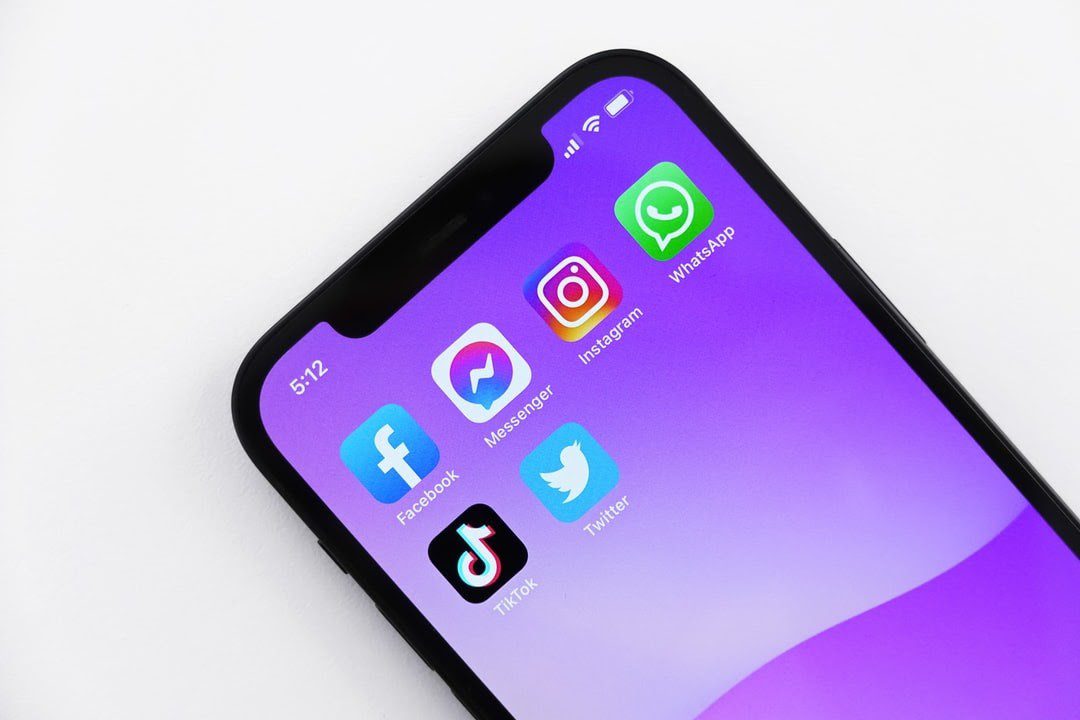
Blogging has become an essential part of the digital world. To maximize your impact, it’s important to know how to increase traffic to your blog. One effective way to increase traffic to your blog is by using search engine optimization. By using relevant keywords and popular links to specific sales pages, you can improve the search engine ranking of both your marketing blog and main website. Additionally, creating new and engaging content frequently can increase visibility. Read on to learn more about increasing traffic to your blog posts. Content Marketing On effective strategy to increase traffic to your blog posts is content marketing. Through tactics such as creating tutorial videos and other engaging forms of content, you can create a loyal readership base to share your content and increase traffic to your blog. Small and medium-sized businesses can benefit from blogging as well. Blogs can help draw online traffic. It can also nurture and convert customers, growing demand and interest in products or services. Additionally, it keeps current customers engaged. Blogging can be used as an educational tool in business classes for students to learn about interactive media as a marketing or advertising tool. Engage Your Readers To further boost traffic to your blog, it’s important to engage with your readers and create a sense of community. Responding to comments on your blog posts and encouraging discussion can help build relationships with your readers. It can also keep them coming back for more content. Finally, promoting your blog through various channels and platforms is crucial for increasing traffic. Social media platforms such as Twitter, Facebook, and LinkedIn can be used to promote new blog posts and encourage readers to share your content with their followers. In summary, there are several effective strategies to increase traffic to your blog. By using search engine optimization techniques, content marketing, engaging with readers, and promoting your blog through various channels, you can maximize your impact and reach a larger audience. Implementing these strategies can bring more traffic to your blog, which in turn can help increase visibility and sales for your business. Furthermore, blogs are a powerful tool for building credibility and trust with potential customers. Therefore, every small or medium business needs to create a blog that reflects the values and mission of their organization and uses it as part of their marketing strategy to reach a wider audience and increase their online visibility. If you need guidance or assistance with creating a successful blog for your business, consider contacting Silesky Marketing today!


Important Aspects of a Business Website

In today’s digital age, having a robust online presence is crucial for the success of any business. With most consumers searching for products and services online, companies must develop a website marketing strategy to attract potential customers. This strategy should focus on creating a visually appealing website and integrating online and offline channels. Doing so provides customers with a seamless experience. Additionally, businesses must ensure that their website is easily accessible and mobile-friendly. It will also ensure appeal to the growing number of users who access the internet through their mobile devices. Read on to learn more about the critical aspects of a business website and how to implement them. What Should Your Website Entail? It is not enough to have a website. It is essential to develop effective marketing techniques and business strategies to drive traffic to the site. Doing this also helps convert visitors into customers. Unfortunately, poor website development and less optimal tourism marketing strategies have negatively impacted a business’s success. To address this, companies should consider implementing three key marketing strategies. These strategies are website construction, e-marketing campaign software, and web services. Key Marketing Strategies for Your Website First, the website construction should be done professionally to ensure it is easy to navigate, visually appealing, and provides relevant content. Secondly, e-marketing campaign software should be employed to allow businesses to track their marketing campaigns, measure success and make informed decisions. Lastly, web services such as SEO optimization and data analytics can help companies to understand their visitors’ behavior better, enhance performance and refine marketing strategies. There are many essential aspects of a business website. A well-designed website and an effective marketing strategy are crucial for businesses to succeed. Furthermore, as website data collection can significantly contribute to the effectiveness of marketing strategies, companies need to understand how visitors navigate their sites. Moreover, businesses can utilize tree-based procedures to evaluate the effectiveness of their marketing strategies and user behavior. Another critical aspect of website marketing strategies is to consider the cost-effectiveness in their implementation as businesses have to ensure a balance between investment and return on investment. If you want to refresh your website and help your business grow, give Silesky Marketing a call.

Branding vs Logo Design: Understanding What Each One Does

Branding vs. logo design is important for creating a visual identity for a business or organization. However, they serve different purposes. A logo is a visual symbol or icon representing a brand and typically consists of a graphic and/or typographic design. It serves as a recognizable and memorable mark that helps to identify a company, product, or service. On the other hand, a logo is designed so that consumers will recognize the brand immediately upon seeing the logo. On the other hand, branding encompasses a broader range of elements that collectively shape the perception of a brand in the minds of its audience. This includes the brand’s values, messaging, voice, personality, and visual identity (including the logo). Read on for more information about branding vs. logo design and how they differ. Why is Branding So Important? Branding is the process of defining and communicating what a company or organization stands for and how it wants to be perceived by its audience. So, while a logo is a critical component of a brand’s visual identity, branding encompasses much more than just the logo design. Logo design is a subset of branding explicitly focused on creating a graphic mark representing the brand. The logo should be memorable to consumers, and designing a good logo results in effective branding. Building Effective Branding When building a brand, it is essential to note that it is much more than just logo design and colors. The brand is the company’s emotion and what the business stands for. It is what you want consumers to feel when they see the logo. This is crucial to the company because you want to express the business’s ideals and goals through your branding and convey the message to consumers. Branding should exhibit consistency and follow a good strategy. A logo is for identification, but a brand expresses how you want the audience to see the company. Creating an eye-catching, memorable logo is very important. However, a company needs to have branding that exceeds expectations. Branding is where success for any business starts. Good branding will make it much easier for the company to grow and thrive. At Silesky Marketing, we ensure that your logo and branding are exceptional. For your branding needs, contact Silesky Marketing at 410-205-6168.

Sponsorships Help Build Brand Awareness

You may have been to events or seen organizations with other businesses. sponsors. There are many kinds of sponsorships, including charitable or endorsements. No matter the type of sponsorship, they all influence how consumers see your brand. Sponsorships can even be seen as a kind of advertising because they can help build your brand’s reputation. Learn more about how sponsorships help build brand awareness and trust in your business. Building Brand Awareness and Exposure Sponsorships allow the mention of a brand from a company or business. Whether it is to display the company’s products and services or to just acknowledge the brand, it builds awareness to the company. Sponsorships allow for a company to exhibit what their message is for their brand. This way, consumers will see the company’s values and mission and are more likely to remember them and purchase their products and services. Using sponsorships can also lead to partnerships with the same views and morals. Charities Typically, charitable sponsors are more likely to gain brand awareness and earn loyalty from customers. People are more willing to buy products and services from a company if they know that the company is helping others in the process. Sponsoring things like festivals, and events can help a brand advocate for the causes they believe in. Often, sponsors will find other brands that value the same things as they do. For instance, if one company truly values a cause, they will want to sponsor another brand that is relevant to that cause. This is a form of collaborative marketing which is another way to build brand awareness and attract customers who are not yet a part of the current demographic. Sponsorships Open Up Opportunities With sponsorships, a brand can open up the market to more customers. As mentioned before, these sponsorships can gain consumers from different demographics. There are a lot of different events that can offer amazing opportunities to sponsors and gain network settings. It is a good idea to take advantage of sponsorships if you are a business hoping to build brand awareness and business growth. Sponsorships help build brand awareness as well as trust from consumers. It is a good idea to try and build your brand in a good light so that you can build on customer loyalty as well. Brand building is extremely important for all businesses. For more information on building your brand, give Silesky Marketing a call!

How to Fix a Slow Website Before It Costs You Traffic and Leads

A slow website can be frustrating for both visitors and website owners. There are hundreds, and maybe even thousands of people clicking on the website to see images and read the text. This can highly affect the website speed and could cause users to click away without returning. Here are some steps you can take to address this issue and fix a slow website.   Steps Check your website’s speed: Use a website speed testing tool like Google PageSpeed Insights or GTmetrix to see how fast your website loads and identify any performance issues. This is crucial for figuring out why your website speed is not performing accurately. Optimize images: large images can slow down your website. Optimize them by compressing them without sacrificing quality. Using images is good for an eye-catching website, however, too many large images affects the speed of the site. Use a content delivery network (CDN): A CDN can help distribute your website’s content across multiple servers. This reduces the load time for each user. Minimize HTTP requests: Reduce the number of HTTP requests by combining multiple files into one, using CSS sprites, and minimizing scripts. Use caching: Caching stores frequently accessed data in a user’s browser, reducing the time it takes for your website to load. Use a faster web hosting provider: If your website is hosted on a slow server, consider moving to a faster web hosting provider. Optimize your code: Optimize your code by using minification, removing unnecessary plugins and scripts, and optimizing your database. By implementing these steps, you can improve your website’s speed and provide a better experience for your users. This is crucial for keeping people coming back to your site. Whether your website is used for informational purposes, or other business ventures, it is crucial to have a site that is quick and easy to access. These steps will help keep your website running smoothly. And keep people coming back to see what your site has to offer. If you have a business website you would like to fix up or refresh, give Silesky Marketing a call.  

The Importance of Branding for Business

In business, branding is extremely important. Branding is so much more than just colors and a logo. In fact, branding is the identity of your entire business and helps your customers recognize the company. Branding is a vital part of business because the competition is rising everyday with social media and new brands being created. For businesses, the number of new businesses is creating difficulties, so branding is the focus to get your business to stand out over all others. Read on to understand the importance of branding for business.  Business Recognition As we’ve stated, one of the most important reasons for branding is to stand out among all other businesses. You want your business to be recognized and loved by consumers so they will choose your products over competing products. If your branding is strong, consumers will be likely to choose you over competitors and your company will stay in their minds. If branding is boring and does not entice consumers, they will move on quickly and not remember the business at all. Be sure to create a logo that stands out and has attractive colors. It needs to be something that will stay in the minds of those who see it and keep them wanting to come back. Improve Advertising Advertising is essential for getting your products or services noticed. Branding and advertising are like the bread and butter for businesses.  If you want to have successful advertising, the branding needs to be created and be eye catching as well. The point of advertising is to show what your business is all about. You want to show the world the values and identity of the business and represent the products and services in the best way possible. This all starts with your brand. When incorporating your branding into your advertising, you will gain recognition for your brand. Branding Creates Loyal Customers Recognizing your brand is just the start. You want customers to continue to come back to purchase your products and services. When you have amazing branding, your customers will be able to relate themselves to the values and morals of the business and want to choose your brand over all others. Branding helps build relationships with customers by connected to the audience. The goal is to create a brand that people will care about and stick to. The importance of branding for business is very strong. Branding is the building block for your business and the success of your business. If you want to build your brand and marketing, contact Silesky Marketing today!

Top E-Commerce Challenges of 2023

Inflation is rising, and many have been wary about purchasing in person and online. Though this problem persists, e-commerce growth is still growing and generating significant profit. However, e-commerce businesses still have many challenges to overcome. We’ve researched and discovered some of the top e-commerce challenges in 2023 to share with you. Consistency Across Channels Ensuring consistency across digital channels is vital for e-commerce business. It is essential to have various platforms to reach target consumers. This helps the company grow and reach more people. Each channel should be accessible for customers to access and do their shopping. Inconsistencies in different media will likely add confusion and annoyance from consumers. The customer service, pricing, delivery, content, and product availability for each channel should be consistent. Consistency is key! Data Security Data security is one of the most significant top e-commerce challenges. Companies need to put in a lot of time and effort to keep up with retail management and other services. Data from customers are required to understand the target audience. Again, this includes the customers’ purchase history and profiles. All this information is important and needs to be stored safely by businesses to ensure the customers’ information is not stolen. Companies should use particular service providers to protect their customers’ data from overcoming this situation. Customer Loyalty Customer loyalty is important because it can cost the company more to gain new customers. In addition, having loyal customers ensures the company keeps existing customers buying its products or services. When a customer purchases or uses a service, the business must ensure they can hold on to that customer. There are some methods that e-commerce businesses can use to keep customers. The first method is ensuring their products or services are high quality. People will only buy from a business a second time if they know the product is worth the money spent. The following method has excellent customer service. Ensure the customer is happy with their product, and if there are any issues, they can be fixed or replaced promptly. E-commerce is on the rise because more people are shopping online. Although e-commerce businesses have many challenges for 2023, there are ways to beat these challenges. If you need help refreshing your brand or staying consistent with all marketing channels, call Silesky Marketing at 410-205-6168.

How to Make Your Website Stand Out and Convert More Visitors

If you are a business wanting to grow, the best place to start is your website. When people visit a website, they want to navigate quickly and know exactly where to go for what they are looking for. However, clients have a hard time deciphering your website. In that case, they will most likely click away and buy a product or service from competitors. We’ve compiled helpful information on how to make your website stand out against competitors so you don’t have to. Update Often Keeping a website relevant and updated is very important for business. You may decide to update and refresh your business’s branding after a few years. With updates, announce any changes and show your clients what updates are available such as new posts, news, or refreshed brand logo and colors. Clients will want to go and check out the new website and spend some time navigating through it. Create a Blog Blogs bring more traffic to your site and help share information about relevant topics and your business. People will want to learn more about specific topics and return to your site each time. Therefore, post blogs consistently, such as once a week. This will keep things fresh, and clients will know something new each week. Keep It Mobile Friendly Most internet scrolling happens on our phones. There’s nothing more frustrating than trying to navigate through a website that isn’t mobile-friendly. It is best to make sure your website will switch to mobile mode, and everything on it is easy to see and navigate. The goal is for the website to be easily visited on all devices so that it can be accessed at any time. If only a desktop version exists, traffic will differ from what you want. Use Video Current research shows that if a website page has a video, people will stay on the page much longer. Video captures attention and is useful for quickly showing what the website is all about. Video is preferred for delivering a product or service and reaching new and existing customers successfully. Knowing how to make a website stand out against competitors is important. Businesses do much better when they update their websites often and keep things consistent and relevant. If you want to refresh your website or branding, give Silesky Marketing a call.

Common Marketing Questions Answered for Small Business Owners

If you own a business, or learning about marketing, you probably have a ton of These questions may include the basics of marketing or how marketing helps with business growth. Here are some FAQs about marketing, and our answers. How Does Marketing Drive Revenue? By analyzing data as well as customer product preferences, a business can boost their revenue through marketing. Strategic marketing plans will target promotions and reach the intended target audience with promotional offers. Marketing to drive revenue is important because it creates awareness to customers about a business’s products or services and influences the customer to make a buying decision. This will eventually lead to a boost in revenue due to sales. Revenue marketing involves immense focus for a more targeted goal. What Is Content Marketing? Content marketing is referred to as a marketing approach that focuses on creating content that is consistent and relevant to the brand of the business. The point of content marketing is to attract customers and keep the target audience entertained. Content marketing helps drive profits by attracting customers who will in turn, buy the product or service that is being sold. It is important to create content that is eye catching and relevant to the brand. Customers are more likely to click to the business page if they see interesting or informative content that pertains to what they are looking for. How Does a Marketing Strategy Work? This FAQ about marketing is very important. A marketing strategy is created to reach a business’s goals with a long-term plan. The goal is reached by knowing what the customers want and need and being the better choice than competitors. With a marketing strategy, it is vital to determine the target audience as well as deciding the digital marketing channels that will be used to reach that target audience. There are four different types of marketing strategies which include the four Ps of marketing. These are product, price, place, and promotion. The four Ps of marketing are also referred to as the marketing mix which are used to achieve marketing goals and objectives. The marketing strategy works by creating and executing the marketing plan that will result in a boost of customers and sales for the product or service that is being provided. It is very important to maintain the marketing strategy and be consistent to ensure success. What Is Social Media Marketing? Social media marketing is a digital channel that is used to reach customers to sell a product or service. A business can experience massive growth through social networks by motivating their customers to buy their products. This is a very useful tool in marketing for businesses to grow and build on success. If you are a business wanting to grow, you may have asked yourself some or all these questions. It is important to find the right marketing agency who can help answer these questions and help build your business. At Silesky Marketing, this is exactly what we do. Check out our website to learn more sileskymarketing.com.

John Sindorf

Director of Strategic Alliances

John believes most businesses don’t need more vendors; they need the right strategic partners.

With decades of experience helping small and mid-sized organizations grow, John specializes in connecting business leaders with the expertise they need to overcome challenges, strengthen operations, and scale with confidence. Whether the conversation centers on sales strategy, marketing, AI, or operational efficiency, his focus is always the same: identifying the right solution for the business, not simply adding another service provider.
Known for his relationship-first approach, John builds partnerships rooted in trust, practical guidance, and measurable outcomes. He helps business owners simplify complex decisions, align the right resources, and spend less time managing vendors and more time leading the businesses they’ve worked so hard to build.

Off the clock: You’ll likely find John networking over coffee, strengthening relationships, and proving that the best business opportunities still begin with genuine conversations.

Kiki DeVane

Marketing Operations Manager

Kiki started her career wanting to change the world through policy, then discovered that a well-built website could be just as powerful. That pivot led her through event marketing, federal communications, and sponsored content for some of the world’s most recognizable brands. She came out the other side a marketing utility player, skilled across strategy, design, development, and copywriting, allowing her to support client campaigns from the front and behind the scenes.

At Silesky, she’s the connective tissue, keeping projects moving, clients informed, and the team empowered to focus on what they do best. What sets Kiki apart is her ability to move fluidly between the operational and the creative without losing momentum in either direction. Whether she’s architecting a workflow, shaping a campaign, or jumping in on a deliverable, she brings the kind of range that elevates every project and strengthens the team around her.

A systems thinker with a creative soul, Kiki brings order to complexity and a genuine investment in seeing the work land the way it should.

Aizaz UI Hassan

Web Developer & Graphic Designer

Aizaz has been the driving force behind Silesky’s web development for over five years. As both a graphic designer and UI/UX developer, he brings a rare mix of technical precision and creative clarity to every project.

What sets Aizaz apart is his ability to understand and interpret the assignment—no extra hand-holding, just sharp instincts and calm professionalism. When timelines are tight and expectations are high, Aizaz is the teammate you want in your corner.

Creative and detail-oriented, Aizaz builds clean, modern websites that marry style with substance. From intuitive flows to scalable layouts, his work consistently delivers digital experiences that perform as well as they look.

With every project, Aizaz ensures the design feels effortless for users and does the heavy lifting for the brand.

Sue Hilger, MBA

Chief Growth Strategist

As Chief Growth Strategist at Silesky Marketing, Sue plays a key role in expanding the agency’s client base while cultivating long-term partnerships grounded in trust, collaboration, and measurable success. She works closely with organizations to help them meet their business goals—and then go beyond them—through smart, scalable marketing strategies.

With an MBA and deep expertise in both B2B and B2C environments, Sue bridges the gap between strategic planning and hands-on execution. She guides clients through Silesky’s end-to-end process, beginning with in-depth discovery and needs assessments and continuing through branding, messaging, digital advertising, and campaign rollout.

Sue is focused on long-term impact. Many of Silesky’s client relationships span decades, which speaks to her ability to integrate seamlessly, think strategically, and consistently deliver results. For Sue, every engagement is more than a project—it’s a partnership.

Mya Stengel

Content Developer & Video Editor

Mya brings the heart of a storyteller and the precision of a screenwriter to every project. With a background in Hollywood scriptwriting—particularly in the horror genre—she understands how to build intrigue, capture attention, and deliver a message that lands with impact.

A lifelong book lover turned brand storyteller, Mya has a gift for finding each client’s voice and shaping it into something authentic and memorable. Whether she’s writing SEO-driven blog content, editing silent video loops, or cutting together a punchy hero reel, she focuses on what makes a brand distinct and brings it to life with clarity and emotion.

From blog posts to behind-the-scenes edits, plot twists to punchlines, Mya’s work helps brands connect more deeply and tell stories that resonate.

Ashelin Walker

Digital Marketing Strategist

Ashelin is a digital marketing strategist who blends technical know-how with creative insight. At Silesky Marketing, she turns strategy into results—helping clients attract the right leads, connect with their audience, and strengthen their online presence.

She designs high-converting landing pages, launches targeted email campaigns, manages CRM platforms, and creates on-brand video content that performs. From big-picture planning to the freckles of a campaign, Ashelin brings cohesion to the chaos and keeps every piece pulling in the right direction.

What sets Ashelin apart is how seamlessly she connects the tactical to the strategic. She doesn’t just check boxes—she makes sure every effort ladders up to a larger goal. Her work helps clients show up in the right places, with the right message, at the right time.

Susi Silesky

Founder & Brand Architect

As the founder of Silesky Marketing, Susi brings more than 30 years of brand strategy and marketing expertise to the table. Her experience spans ambitious startups, global enterprises, nonprofits, and household-name retailers.

Susi is most energized when she’s helping business owners find their voice, shape their story, and build a brand that reflects their vision and gets the results they deserve.

What sets her apart is her deep understanding of entrepreneurs. She’s built a career not just on strong campaigns, but on building genuine relationships. That blend of empathy and expertise is what makes her work both effective and meaningful.

Susi has led successful marketing initiatives across industries—from healthcare and legal to real estate, B2B tech, and pharma. She’s fluent in French, conversational in Spanish, and skilled at translating complex ideas into clear, compelling brand stories.