
Posts

How to Craft Compelling Value Propositions

Creating a compelling value proposition forms a critical aspect of your business strategy. It serves as the foundation for your marketing efforts and helps communicate the benefits of your product or service to potential customers. Understanding how to craft compelling value propositions can attract and retain clients with expert tips for creating effective value propositions. By mastering this skill, you can differentiate your offerings in a competitive market and make your business stand out. This article delves into the process and techniques for developing a strong value proposition that resonates with your target audience and drives success. What is a Value Proposition? A value proposition is a concise statement explaining why a customer should choose your product or service over your competitors. It highlights the unique benefits and solutions your offering provides. Essentially, it answers the question, “Why should I buy from you?” A well-crafted value proposition can set your business apart in a crowded marketplace, making it a critical tool for attracting new clients and retaining existing ones. Key Components of a Value Proposition A strong value proposition typically includes several key components: Headline: A clear and concise statement capturing the essence of your value proposition. Subheadline: An additional sentence or two providing more detail and supporting the headline. Bullet Points: A list of the key benefits or features of your product or service. Visual Elements: Images or graphics that help illustrate the value proposition and make it more engaging. By combining these elements, you can create a value proposition that is both informative and compelling. Importance of a Strong Value Proposition In today’s competitive business environment, having a strong value proposition remains crucial. A compelling value proposition attracts potential customers and helps retain them. Key reasons to have a strong value proposition: Clear communication: Articulates the unique benefits of your offering. Customer attraction: Makes it easier for customers to understand why they should choose your product or service. Guided marketing strategies: Helps align your team’s efforts towards a common goal. Competitive edge: Differentiates your business in a crowded market. Customer loyalty: Encourages repeat business and customer referrals. Understanding Your Target Audience To craft an effective value proposition, you must understand your target audience. This involves researching and defining your ideal customer. Start by identifying the demographics, needs, and pain points of your target market. Conduct surveys, interviews, and focus groups to gather insights. The better you understand your audience, the more accurately you can tailor your value proposition to meet their needs and preferences. Steps to understand your target audience: Demographic analysis: Identify age, gender, income, and education levels. Behavioral insights: Understand purchasing habits and preferences. Pain point identification: Recognize challenges your audience faces. Feedback collection: Use surveys and interviews for direct input. Market trends: Stay updated with industry trends affecting your audience. Unique Selling Points Your unique selling points (USPs) are the specific features and benefits that set your product or service apart from the competition. These can include superior quality, innovative features, exceptional customer service, or cost-effectiveness. Clearly identifying your USPs is essential in differentiating your offerings and ensuring that your value proposition stands out. Consider these aspects when defining your USPs: Quality: Is your product superior in quality? Features: What unique features does your product offer? Customer service: How does your customer service compare to others? Cost: Is your product more cost-effective? Innovation: Does your product offer something new to the market? Crafting the Value Proposition Now that you understand the components, it’s time to craft your value proposition. Follow these steps: Identify the main benefit: What is the primary advantage that your product or service offers? Address the customer’s pain points: How does your offering solve the customer’s problems or fulfill their needs? Highlight your USPs: What makes your product or service unique? Create a headline: Write a clear and compelling headline that captures the main benefit. Add a subheadline: Provide additional detail to support the headline. Include bullet points: List the key benefits or features. Incorporate visuals: Use images or graphics to enhance your message. Testing Your Value Proposition Once you’ve crafted your value proposition, you need to test it to ensure its effectiveness. You can do this through A/B testing, surveys, and focus groups. Gather feedback from your target audience and make adjustments as needed. Testing helps you refine your value proposition and ensures that it resonates with your potential customers. Methods for testing your value proposition: A/B testing: Compare different versions to see which performs better. Surveys: Collect feedback directly from your target audience. Focus groups: Gain in-depth insights from a select group of potential customers. Analytics: Use web analytics to track engagement and conversion rates. Customer feedback: Regularly solicit feedback from your customers to make continuous improvements. Communicating Your Value Proposition After crafting and testing your value proposition, you must effectively communicate it to your audience. Use various marketing channels such as your website, social media, email marketing, and advertising campaigns to share your value proposition. Ensure that your messaging remains consistent across all platforms and clearly conveys the unique benefits of your product or service. Effective communication strategies: Website: Feature your value proposition prominently on your homepage. Social media: Share posts and updates that highlight your value proposition. Email marketing: Include your value proposition in your email campaigns. Advertising: Use targeted ads to reach your ideal customers. Sales team: Train your sales team to articulate the value proposition clearly. Examples of Effective Value Propositions Looking at examples of successful value propositions can provide inspiration and guidance. Consider companies like Apple, whose value proposition centers on innovation and user experience, or Amazon, which emphasizes convenience and vast selection. Analyze these examples to understand what makes them effective and how you can apply similar principles to your own value proposition. Successful value proposition examples: Apple: Focuses on innovation and user experience. Amazon: Emphasizes convenience and a vast selection of products. Tesla: Highlights sustainability and cutting-edge technology. Netflix: Offers unlimited streaming with a wide variety of content. Common Mistakes to Avoid

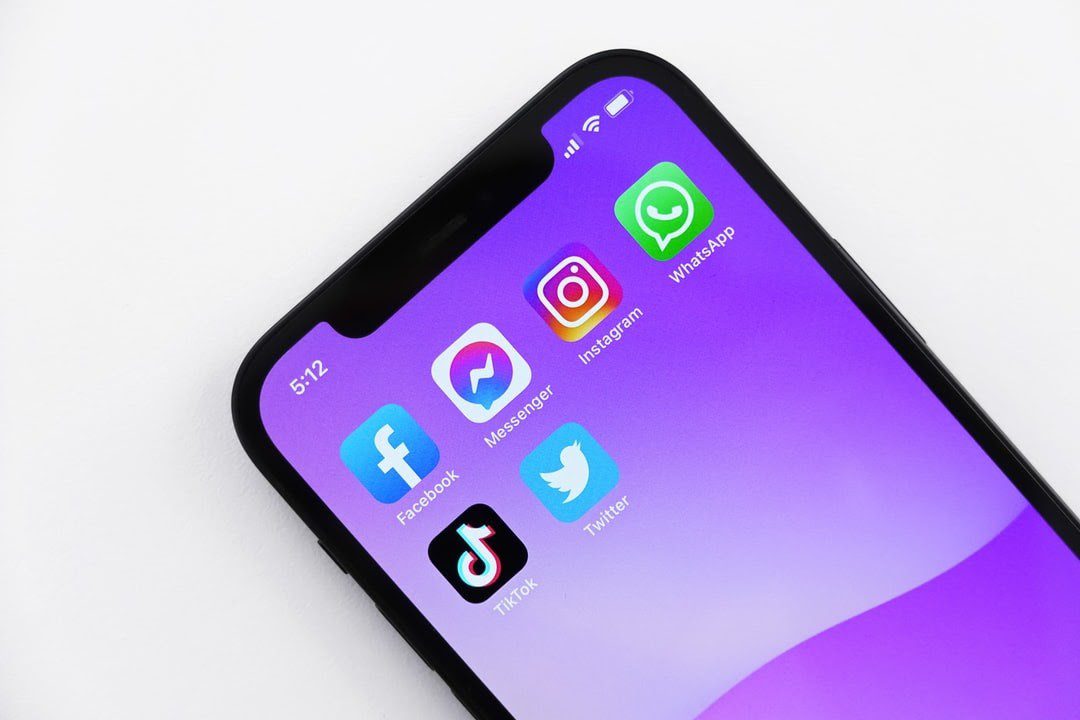
Tips Tricks and Trends in Website Development

In the fast-paced digital era, an effective online presence is crucial for businesses looking to thrive. Website development plays a pivotal role in shaping this online identity and because of this, the task of tackling a website can feel daunting. Understanding and implementing the various tips, tricks, and trends in website development can significantly impact your success. Responsive Design: A Non-Negotiable Imperative Embracing the mobile era is no longer a choice but a necessity. A responsive design ensures your website adapts seamlessly to various devices, providing an optimal user experience. Google’s mobile-first indexing makes this a key factor for SEO success. In the era of smartphones, users expect a seamless experience. Responsive design not only caters to diverse devices but also boosts your site’s SEO, aligning with Google’s mobile-centric approach. User-Centric Navigation: The Path to Engagement Users should effortlessly navigate your website. Intuitive menus, clear calls-to-action, and a logical flow enhance user experience. Implementing user feedback and conducting usability tests can help you refine navigation for maximum engagement. A well-designed navigation system guides users intuitively, reducing bounce rates. Regularly test and refine navigation based on user feedback to ensure a smooth and engaging journey through your website. Optimizing for Speed: The Need for Velocity In the digital realm, speed is king. Slow-loading websites frustrate users and can negatively impact search rankings. Compressing images, leveraging browser caching, and minimizing HTTP requests are among the techniques to boost your website’s speed. Speed is not just a user preference but a ranking factor for search engines. Optimize your site’s speed by compressing images and utilizing caching mechanisms, ensuring a swift and satisfying user experience. Security: Guarding the Digital Fort With cyber threats on the rise, prioritizing website security is non-negotiable. Incorporate SSL certificates, regularly update software, and conduct security audits. A secure website not only protects your users but also contributes positively to your SEO. Incorporating the Latest Design Trends A visually appealing website is more likely to captivate users. Stay updated with design trends such as dark mode, micro-interactions, and 3D elements. Collaborating with a reputable branding agency can infuse creativity and align your website with contemporary aesthetics. Trends in design evolve rapidly. Embrace modern aesthetics like dark mode and interactive elements to keep your website visually captivating and in line with the latest design sensibilities. Content is Still King: SEO-Optimized Blogging A blog isn’t just a platform for expressing ideas; it’s a potent SEO tool. Regularly publishing relevant and optimized content can enhance your website’s visibility. Collaborating with a marketing agency can help you create a content strategy that resonates with your audience. The significance of a blog extends beyond expression—it’s a strategic SEO tool. Collaborate with a marketing agency to craft a content strategy that not only engages but also boosts your website’s visibility in search engine results. Cross-Channel Marketing Integration Today’s digital landscape demands a holistic approach. Integrate your website seamlessly with various marketing channels. Cross-channel marketing, when executed strategically, enhances brand visibility and facilitates a cohesive user experience. Siloed marketing efforts are outdated. Seamlessly integrate your website with diverse marketing channels for a cohesive brand presence, ensuring your audience receives a unified and impactful message across different platforms. The Power of Apps: Extending Reach Mobile apps are becoming increasingly popular for businesses. Developing a companion app can provide additional value to users and strengthen brand loyalty. Work with an app development team to create a seamless connection between your website and app. A dedicated app enhances user engagement and brand loyalty. Collaborate with an app development team to create a symbiotic relationship between your website and app, offering users a seamless experience across both platforms. Direct Mail Marketing in the Digital Age While digital marketing is dominant, don’t overlook the power of direct mail, especially in B2B scenarios. A well-crafted direct mail campaign can complement your online efforts and foster meaningful connections. In the digital age, direct mail stands out. Combine the personal touch of direct mail with your online efforts for a comprehensive marketing strategy, especially effective in B2B scenarios where personal connections matter. Localizing Marketing Efforts: Anne Arundel County Focus If your business operates in Anne Arundel County, tailor your website development and marketing strategies to the local audience. Collaborating with an advertising agency familiar with the region can give you a competitive edge. Localizing efforts for Anne Arundel County strengthens your connection with the community. Collaborate with a local advertising agency to infuse regional insights into your website development and marketing, gaining a competitive advantage in the local market. AI Integration: Smart Solutions for Enhanced User Experience The future of website development lies in artificial intelligence (AI). Implementing AI-driven solutions, such as chatbots and personalized recommendations, can elevate user experience and streamline interactions on your website. AI isn’t just a buzzword—it’s a game-changer in web development. Explore the potential of chatbots for instant customer support and personalized recommendations based on user behavior, providing a more tailored and efficient experience. Video Content: Captivating Audiences Beyond Text Video content continues to dominate online engagement. Incorporating engaging videos on your website can capture attention and convey information more dynamically. Collaborate with a marketing agency to create compelling video content that aligns with your brand. In the age of short attention spans, videos speak louder than words. Leverage the power of video content to convey your message effectively. Partnering with a marketing agency ensures your videos align with your brand identity and resonate with your target audience. Final Thoughts Mastering the art of website development involves a multifaceted approach that encompasses responsive design, user-centric navigation, speed optimization, robust security measures, and staying abreast of design trends. Integrating cross-channel marketing, developing companion apps, and leveraging the timeless power of direct mail marketing further enhance your digital presence. Tailoring efforts to the local landscape, such as Anne Arundel County, ensures a personalized connection with the community. As we look to the future, the integration of AI and the captivating allure of video content are set to redefine user experiences. By

Using Marketing to Build Long-Term Relationships

Building long-term relationships with clients is crucial for sustaining business growth in a competitive market. Companies need to invest in strategic marketing efforts to ensure their clients not only return but also advocate for their brand. Using marketing to build long-term relationships with clients is essential in creating trust and loyalty, which leads to continuous revenue streams and valuable feedback for refining products or services. This approach involves understanding client needs, personalizing marketing strategies, and maintaining transparent communication. By focusing on these aspects, businesses can foster strong, enduring connections with their clients, enhancing overall satisfaction and loyalty. The Importance of Building Client Relationships Strong relationships with clients go beyond making sales. They create emotional connections and trust that surpass transactional interactions. When clients feel valued and understood, they stay loyal and refer your business to others. This loyalty offers a significant advantage as retaining existing clients costs less than acquiring new ones. Long-term clients provide continuous revenue and valuable feedback that help refine products or services. Benefits of Strong Client Relationships: Enhanced customer loyalty Increased client referrals Reduced client acquisition costs Continuous revenue streams Valuable client feedback Understanding Your Clients’ Needs To build meaningful relationships, businesses must understand their clients’ needs, preferences, and pain points. Regular feedback surveys, direct communication, and social media engagement can achieve this understanding. By actively listening to clients, companies can tailor their marketing strategies to address specific issues and provide resonant solutions. For example, if clients need more personalized service, a business can respond with tailored product recommendations or personalized communication. Steps to Understand Client Needs: Conduct regular feedback surveys Engage with clients on social media Hold direct communication sessions Analyze client behavior and preferences Additionally, businesses should segment their clients based on demographics, buying behavior, and preferences. This segmentation helps in understanding diverse client groups more precisely, enabling more targeted and effective marketing strategies. Personalized Marketing Strategies Personalization is a powerful tool in relationship marketing. By leveraging data analytics, businesses can create personalized marketing campaigns that cater to individual client preferences and behaviors. These campaigns can include customized email marketing, personalized product recommendations, and targeted advertising. When clients receive messages and offers relevant to their interests, they feel more valued and understood, which enhances their loyalty and satisfaction. Effective Personalization Tactics: Customized email campaigns Personalized product recommendations Targeted advertising based on client behavior Furthermore, businesses can use personalized landing pages and dynamic website content to create a unique browsing experience for each client. This attention to detail can significantly improve client engagement and conversion rates. Consistent and Transparent Communication Maintaining consistent and transparent communication builds trust with clients. Regular updates, newsletters, and open lines of communication keep clients informed and connected to your brand. Transparency about company changes, product updates, or service issues also builds trust. Clients appreciate honesty and forgive mistakes if businesses communicate openly and resolve issues efficiently. Tips for Transparent Communication: Send regular updates and newsletters Be open about company changes and product updates Address service issues honestly and promptly Maintain open lines of communication It’s also beneficial to establish a communication schedule so clients know when to expect updates. Predictable communication helps in setting expectations and reduces client anxiety about service disruptions or changes. Offering Exceptional Customer Service Exceptional customer service retains clients. Businesses should ensure their customer service teams are well-trained, empathetic, and responsive. Quick resolution of issues, proactive support, and a friendly demeanor significantly impact client satisfaction. A customer feedback loop where clients share experiences and suggestions helps in continuously improving service quality. Key Elements of Exceptional Customer Service: Well-trained, empathetic, and responsive teams Quick resolution of issues Proactive support and friendly demeanor Easy-to-use customer feedback loop Businesses should also consider implementing multi-channel support, allowing clients to reach out via phone, email, chat, or social media. This flexibility can improve client satisfaction by making it easier for them to get the help they need. Utilizing Social Media for Engagement Social media platforms offer unique opportunities for businesses to engage with clients personally. By actively participating in social media conversations, sharing valuable content, and responding to client queries and comments, businesses build a community around their brand. Social media also allows showcasing client testimonials and success stories, which strengthens trust and loyalty among existing and potential clients. Social Media Engagement Tips: Participate in conversations Share valuable and relevant content Respond to client queries and comments Showcase client testimonials and success stories Additionally, social media can be used to conduct informal surveys and polls, gathering instant feedback and engaging clients in a fun and interactive way. This can help businesses stay attuned to client needs and preferences in real time. Implementing Loyalty Programs Loyalty programs reward and retain long-term clients. By offering exclusive discounts, rewards points, or special access to new products, businesses incentivize repeat purchases and sustained engagement. Loyalty programs enhance client satisfaction and provide valuable data on client buying behaviors, which businesses can use to further personalize marketing efforts. Advantages of Loyalty Programs: Rewards for repeat purchases Enhanced client satisfaction Valuable data on client behavior Increased client retention Loyalty programs can also include referral bonuses, encouraging existing clients to bring in new clients. This not only rewards loyal clients but also helps in acquiring new ones through trusted recommendations. Building a Strong Brand Identity A strong brand identity creates a lasting impression on clients. Consistent branding across all marketing channels ensures clients have a coherent and recognizable experience with your business. A well-defined brand voice, values, and mission statement resonate with clients and help build emotional connections. When clients identify with a brand’s values and culture, they remain loyal. Components of a Strong Brand Identity: Consistent branding across all channels Well-defined brand voice and values Clear mission statement Emotional connections with clients To further strengthen brand identity, businesses should engage in community activities and social causes that align with their values. This not only enhances brand image but also fosters deeper emotional connections with clients who share similar values. Educational and Informative Content Providing educational and informative

Maximizing Visibility and Rankings with SEO and AI

Search engine optimization (SEO) and artificial intelligence (AI) are revolutionizing digital marketing. They make it easier for businesses to enhance their online presence. By maximizing visibility and rankings with SEO and AI, companies can elevate their website’s performance and attract more visitors. As competition for digital attention intensifies, understanding how to use these tools effectively becomes crucial. This article delves into the strategies for maximizing visibility and rankings with SEO and AI, offering insights that blend expertise with actionable tips. Introduction to SEO and AI SEO is a set of practices aimed at improving a website’s visibility on search engines like Google. It involves: Optimizing content Structuring the site effectively Enhancing user experience AI simulates human intelligence in machines, enabling them to perform tasks that typically require human intelligence, such as learning, reasoning, and problem-solving. Integrating AI into SEO processes has revolutionized digital marketing by allowing businesses to analyze vast amounts of data, identify patterns, and make predictions that refine SEO strategies. The Importance of Maximizing Visibility Maximizing online visibility is essential for growing a digital footprint. Higher visibility leads to increased traffic, which can translate into more leads, conversions, and ultimately, revenue. To achieve this, businesses need a strategic approach involving both technical and creative elements. Discoverability: Ensures your content can be found by search engines. Relevance: Aligns your content with users’ search queries. Technical Excellence: Ensures your website meets search engine guidelines. Incorporating AI into your SEO strategy can enhance these efforts by providing deeper insights into user behavior and search engine algorithms. How AI Enhances SEO Strategies AI enhances SEO in several ways, making it a powerful tool for digital marketers. Here are some key benefits: Data Processing: AI processes and analyzes data at a scale and speed that humans cannot match. Keyword Research: More accurate keyword identification. Content Creation: AI generates ideas and even writes drafts. Competitive Analysis: Identifies what competitors are doing right. AI tools identify trending topics and high-performing keywords, providing a roadmap for content that resonates with your audience. Additionally, AI optimizes on-page elements, ensuring they align with search engine guidelines and user intent. Keyword Research and Optimization with AI Keyword research is the foundation of any SEO strategy. It involves identifying the terms and phrases potential customers use when searching for products or services. AI revolutionizes this process by offering tools that can predict keyword performance and suggest long-tail keywords often overlooked through manual research. Search Volume Analysis: Determines how often a keyword is searched. Competition Analysis: Evaluates how difficult it will be to rank for a keyword. User Intent Analysis: Understands what users are looking for when they use a keyword. These AI-powered tools provide a comprehensive list of keywords that can drive traffic to your site. Once identified, AI assists in optimizing your content to ensure these keywords are used effectively. Content Creation and Optimization Creating high-quality, engaging content is crucial for SEO success. AI assists in content creation by generating ideas, suggesting topics, and even writing drafts. Tools like GPT-4 produce content that is coherent, relevant, and tailored to your audience’s interests. Moreover, AI optimizes existing content by analyzing its performance and making recommendations for improvement. Adjust Keyword Density: Ensures optimal keyword use. Improve Readability: Makes content easier to read. Align with User Intent: Ensures the content meets users’ needs. By continuously optimizing content, businesses can maintain their relevance and visibility in search results. AI can also help streamline the content creation process by automating repetitive tasks such as proofreading and editing. This not only saves time but also ensures consistency and accuracy in your content. Additionally, AI-driven tools can suggest multimedia elements like images and videos that complement your text, enhancing the overall user experience. Enhancing User Experience with AI User experience (UX) plays a critical role in SEO. Search engines prioritize websites that offer a seamless and enjoyable user experience. AI enhances UX by: Personalizing Content: Tailors content to individual users. Improving Site Navigation: Makes it easier for users to find what they need. Providing Real-Time Support: Uses chatbots to assist users instantly. Personalization involves tailoring content to individual users based on their preferences and behavior. AI analyzes user data to deliver personalized recommendations, increasing engagement and satisfaction. Additionally, AI-powered chatbots assist users with inquiries, providing instant responses and freeing up human resources for more complex tasks. AI and Technical SEO Technical SEO involves optimizing the backend of your website to improve its performance and ensure it meets search engine requirements. AI streamlines technical SEO by automating tasks such as: Site Audits: Identifying issues that need fixing. Error Detection: Finding and correcting errors. Performance Monitoring: Tracking site performance metrics. AI tools identify and fix issues that might affect your site’s visibility, such as broken links, slow load times, and mobile usability problems. Moreover, AI can help in optimizing site architecture by analyzing and improving internal linking structures, making it easier for search engines to crawl and index your site efficiently. Analyzing and Predicting Trends Staying ahead of trends is crucial for maintaining a competitive edge in SEO. AI analyzes large datasets to identify emerging trends and predict future changes in search behavior. This foresight allows businesses to adapt their strategies proactively. Track Industry Trends: Keeps your business relevant. Analyze Competitor Performance: Understands what competitors are doing. Monitor User Behavior: Adjusts strategies based on user interactions. AI-powered analytics provide actionable insights that inform your SEO strategy, allowing businesses to create content that aligns with current trends and anticipates future demands. These insights can also help businesses identify new market opportunities and adjust their product or service offerings accordingly. The Future of SEO and AI The integration of AI into SEO is an ongoing process that will continue to evolve. Future developments may include: Advanced Natural Language Processing (NLP): Understanding and responding to complex queries with greater accuracy. Personalized Optimization Strategies: Tailored to the unique needs of each business. As AI technology advances, its applications in SEO will become even more sophisticated, offering new opportunities for businesses to

Start Building a Waiting List of Clients

Every business owner dreams of having a consistent flow of eager clients. The ability to maintain a steady stream of potential customers is crucial for sustaining and growing your business. Start building a waiting list of clients to ensure your business thrives with a constant influx of eager customers. This proactive approach not only secures future work but also enhances your reputation, showcasing your services as highly sought after. Dive into the steps and strategies needed to create and maintain a robust waiting list that will keep your business flourishing. The Importance of a Client Waiting List A client waiting list can transform your business operations. It acts as a safety net, ensuring that potential clients are always ready to step in. This significantly reduces the stress of finding new customers and helps maintain a consistent income flow. Furthermore, a waiting list creates a sense of urgency and exclusivity, making your services more desirable. It signals to potential clients that your services are in high demand, thereby enhancing your business’s reputation and perceived value. Key Benefits: Steady Stream of Clients: Always have potential clients ready to step in. Reduced Stress: Less worry about finding new customers. Increased Demand: Create a sense of urgency and exclusivity. Understanding Your Target Audience Before building a waiting list, you must understand who your target audience is. Knowing your ideal client helps craft messages that resonate with them, making it easier to attract them to your waiting list. Consider factors such as demographics, psychographics, and the specific needs or problems your services solve. By tailoring your approach to your audience’s preferences, you increase the likelihood of attracting clients who are genuinely interested and ready to commit. Considerations: Demographics: Age, gender, location. Psychographics: Interests, values, lifestyle. Needs: Specific problems your services solve. Creating a Compelling Offer To entice potential clients to join your waiting list, you need to offer something compelling. This could be an exclusive discount, early access to new services, or a valuable resource like an ebook or webinar. The key is to provide something that adds significant value and convinces them that joining your waiting list is beneficial. Make sure your offer is clear, enticing, and directly addresses a pain point or need that your target audience has. Effective Offers: Exclusive Discounts: Special rates for early joiners. Early Access: Priority to new services or products. Valuable Resources: Free ebooks, webinars, or consultations. Leveraging Your Existing Network Your current clients and network can be a goldmine when building a waiting list. Encourage your satisfied customers to refer others to your waiting list. Implement a referral program that rewards them for every new client they bring in. Furthermore, don’t underestimate the power of word-of-mouth marketing. Personal recommendations carry a lot of weight, and a positive referral can be more effective than any advertising campaign. Strategies: Referral Programs: Rewards for client referrals. Word-of-Mouth: Encourage satisfied customers to spread the word. Networking: Use your business connections to reach potential clients. Utilizing Social Media and Digital Marketing Social media platforms are powerful tools for reaching a broader audience and promoting your waiting list. Regularly post engaging content that highlights the benefits of your services and the exclusivity of your waiting list. Use targeted ads to reach specific demographics that align with your ideal client profile. Additionally, consider using email marketing to keep your existing subscribers informed and encourage them to join the waiting list. A well-crafted email campaign can drive significant interest and engagement. Tactics: Engaging Content: Highlight benefits and exclusivity. Targeted Ads: Reach specific demographics. Email Marketing: Inform and encourage existing subscribers. Optimizing Your Website for Lead Generation Your website is often the first point of contact potential clients have with your business. Ensure it’s optimized for lead generation by having clear calls to action (CTAs) that encourage visitors to join your waiting list. Use landing pages that are specifically designed to capture leads, with forms that are easy to fill out and not too intrusive. Additionally, make sure your website is mobile-friendly, as many users will be accessing it from their phones. Optimization Tips: Clear CTAs: Encourage visitors to join your waiting list. Landing Pages: Design for capturing leads. Mobile-Friendly: Ensure easy access from phones. Offering Exceptional Customer Service Exceptional customer service is critical in building a loyal client base and encouraging referrals. Make sure your current clients have a great experience with your business so that they are more likely to recommend you to others. Respond promptly to inquiries, address any issues swiftly, and go above and beyond to exceed their expectations. A satisfied client is your best advocate and can help you build a waiting list more effectively than any marketing strategy. Customer Service Essentials: Prompt Responses: Quickly address inquiries. Swift Issue Resolution: Handle problems efficiently. Exceed Expectations: Go above and beyond for clients. Creating a Sense of Urgency and Exclusivity Creating a sense of urgency and exclusivity can make your waiting list more attractive. You can do this by limiting the number of spots available or offering time-sensitive incentives for joining. For example, you could provide a special bonus for the first 50 people who sign up. This not only encourages quick action but also makes those on the waiting list feel like they are part of an exclusive group. Methods: Limited Spots: Restrict the number of available spots. Time-Sensitive Incentives: Offer special bonuses for early sign-ups. Exclusive Benefits: Make the waiting list feel special. Tracking and Analyzing Your Efforts It’s essential to track and analyze the effectiveness of your efforts in building a waiting list. Use analytics tools to monitor where your leads are coming from, which strategies are most effective, and what areas need improvement. By continually analyzing your efforts, you can make data-driven decisions that enhance your strategies and help you build a more effective waiting list. Regularly review and adjust your approach based on the data to ensure continuous improvement. Key Metrics: Lead Sources: Identify where leads are coming from. Effectiveness: Measure the success of your strategies. Adjustments:

What the Future of C-Suite Marketing Means for Business Leaders

Reaching the C-suite requires precision, innovation, and empathy. Executives are busier than ever, making it essential for marketing strategies to capture their attention and resonate with their needs. The future of C-suite marketing involves strategies that captivate and engage executives effectively, driving meaningful relationships. As decision-makers and visionaries of their organizations, C-suite members prioritize efficiency and results. Understanding how to communicate value concisely and impactfully can set your business apart. Let’s explore forward-thinking strategies to engage C-suite executives and build lasting connections. Understanding the C-Suite The modern C-suite is a demanding environment. Executives face a constant influx of information and opportunities. According to Harvard Business Review on C-Suite Leadership, recognizing their diverse responsibilities and pressures is crucial for effective engagement. To break through the noise, marketers must recognize the diverse responsibilities and pressures executives face daily. C-suite members drive business growth and transformation through strategic decision-making and overseeing company-wide initiatives. To truly understand the C-suite, one must consider the broader scope of their influence. They are not only responsible for high-level strategy but also for ensuring operational excellence. This dual focus requires them to be adept at balancing long-term vision with immediate execution. Their ability to navigate both realms makes them unique, and understanding this dual role is crucial for effective engagement. Tailoring Messaging to Executive Needs Tailoring messages to engage C-suite executives requires personalization. Messages must address their unique challenges and goals. Effective strategies include: Researching the executive’s industry, company, and personal career achievements Demonstrating a genuine understanding of their specific pain points and objectives Using clear, concise language to convey value and solutions It’s also important to recognize the decision-making process of C-suite executives. They rely heavily on data and concrete evidence when considering new initiatives. Therefore, your messages should not only be personalized but also backed by robust data that supports your claims. Highlighting case studies or success stories relevant to their industry can significantly bolster your message. Leveraging Data and Analytics Leveraging data to inform marketing strategies is essential. Data-driven insights allow marketers to pinpoint what resonates with C-suite executives. Key approaches include: Analyzing engagement metrics, content performance, and conversion rates Refining strategies based on data insights Using predictive analytics to forecast future trends and behaviors Additionally, integrating advanced analytics tools can provide deeper insights into executive behaviors. Tools like heat maps and A/B testing can reveal what types of content and formats capture executive attention most effectively. By continuously refining your approach based on these insights, you can stay ahead of the curve and maintain relevance in your communications. Building Thought Leadership Establishing thought leadership gains the attention and respect of C-suite executives. Executives seek innovative ideas and strategic guidance from industry leaders. Effective thought leadership involves: Publishing high-quality content like white papers and research reports Providing insightful blog posts on industry trends and challenges Positioning your company as an authoritative voice in the field Moreover, engaging with C-suite executives through thought leadership means being present in the same spaces they frequent. Participate in industry forums, contribute to respected publications, and join conversations on professional social networks like LinkedIn. By being visible in these arenas, you reinforce your position as a thought leader and make it easier for executives to find and follow your insights. Harnessing the Power of Social Proof Social proof significantly influences C-suite executives. Testimonials, case studies, and endorsements from respected leaders build credibility. Effective use of social proof includes: Highlighting successful partnerships with similar organizations Showcasing quantifiable results and tangible value delivered Using endorsements from respected leaders to build trust In addition to traditional social proof, consider leveraging peer testimonials from other C-suite members. Executives value opinions from their peers, so endorsements from other C-suite leaders can be particularly persuasive. Including video testimonials or interviews with these leaders can add a personal touch and increase the authenticity of your social proof. Utilizing Strategic Networking Networking remains a cornerstone of business development at the executive level. Effective networking strategies involve: Attending industry conferences and participating in panel discussions Engaging in professional associations Building meaningful relationships through these interactions To enhance your networking efforts, consider hosting exclusive events or roundtables specifically for C-suite executives. These intimate settings provide an opportunity for deeper discussions and relationship-building. Additionally, follow up with personalized messages after these events to reinforce connections and keep the conversation going. Crafting High-Impact Presentations Making a strong impression during C-suite presentations is crucial. High-impact presentations should: Be concise, visually appealing, and data-rich Focus on strategic insights rather than operational details Use compelling storytelling and visuals to enhance impact Furthermore, consider the delivery method of your presentations. Virtual presentations have become more common, so ensuring your online presentation skills are polished is vital. Use interactive elements like live polls and Q&A sessions to engage your audience. Practicing effective virtual communication can make your presentations more dynamic and memorable. Emphasizing Empathy and Emotional Intelligence Empathy and emotional intelligence are vital in engaging C-suite executives. Building rapport through empathy involves: Listening more than speaking Asking insightful questions and responding thoughtfully Demonstrating genuine concern for their success In addition to these tactics, showing empathy in your marketing materials can make a significant difference. Use language that acknowledges the challenges and pressures executives face. Share stories that highlight how your solutions have alleviated similar issues for others. This empathetic approach can make your communications more relatable and persuasive. Integrating Multi-Channel Marketing C-suite executives consume information across various channels, so an integrated multi-channel marketing strategy is essential. Effective multi-channel marketing includes: Combining digital marketing, social media, email campaigns, and direct outreach Ensuring each channel reinforces your core message Creating a cohesive and consistent narrative To further enhance your multi-channel strategy, consider the timing and frequency of your messages. Executives have busy schedules, so reaching them at the right moment is crucial. Use tools like marketing automation platforms to schedule and personalize your communications, ensuring they are delivered at optimal times for maximum impact. The Role of Technology in C-Suite Marketing Technology plays a critical role in modern

Brand Differentiation: Making Your Mark

Crafting a unique and memorable brand identity isn’t just about standing out; it’s about standing out in ways that truly matter to your customers. Brand differentiation makes your brand unique and memorable, helping you make your mark in a competitive market. With numerous competitors vying for attention, establishing a brand that captures attention and fosters loyalty is crucial. This involves understanding your audience, developing a unique value proposition, and creating a compelling brand story. By mastering these elements, small marketing firms like Silesky Marketing can help clients carve out a distinctive niche and make a lasting impression. Understanding Your Audience Understanding your audience is crucial for effective brand differentiation. Without knowing who your customers are, what they value, and what drives their purchasing decisions, it’s challenging to create a brand that stands out. To start, conduct market research. Analyze data on customer behavior, preferences, and pain points. Engage directly with your audience using surveys, social media interactions, and customer feedback sessions. Recognize the emotional factors influencing buying decisions. Are they motivated by cost-effectiveness, quality, or innovation? Tailor your brand’s messaging to resonate with their needs and desires. By doing so, you position your brand to speak directly to their concerns, setting you apart from competitors. In addition, consider creating detailed customer personas. These personas should represent your ideal customers, including their demographics, interests, and purchasing behaviors. By developing these personas, you can better anticipate their needs and preferences, allowing you to fine-tune your marketing strategies and offerings to meet their expectations. Developing a Unique Value Proposition A unique value proposition (UVP) is the promise you make to your customers, highlighting why they should choose you over competitors. Crafting an effective UVP involves several steps: Identify Strengths: Focus on what makes your brand unique. Translate Benefits: Turn your strengths into tangible benefits for customers. Keep It Concise: Your UVP should be clear and to the point. Make It Relevant: Ensure your UVP addresses the needs and desires of your target audience. A compelling UVP is concise, clear, and centered on the benefits your products or services provide. It should answer the crucial question: “Why should customers choose us?” Additionally, test your UVP with a segment of your target audience. Gather feedback to refine and improve it, ensuring it resonates strongly and delivers the desired impact. By continuously iterating on your UVP, you can maintain its relevance and effectiveness in a dynamic market. Creating a Compelling Brand Story A compelling brand story creates an emotional connection with your audience. Here’s how to develop one effectively: Share Your Origins: Explain how your brand started and the mission behind it. Highlight Your Values: Showcase the principles that guide your business. Illustrate Your Vision: Describe how you aim to make a difference in your customers’ lives. Be Authentic: An honest and relatable story builds trust and loyalty. Incorporate Differentiators: Include unique elements that set your brand apart. An engaging brand narrative creates a powerful connection with your audience, making your brand more memorable. Furthermore, use various mediums to tell your brand story. Incorporate it into videos, blogs, and social media posts to reach a broader audience. This multi-channel approach ensures your story is consistently communicated and reinforces your brand identity across different platforms. Leveraging Visual Identity Visual identity plays a critical role in making your brand recognizable. It includes your logo, color scheme, typography, and overall design aesthetic. To create a strong visual identity: Invest in Design: Professional design can greatly impact perception. Ensure Consistency: Maintain visual consistency across all touchpoints. Align with Message: Make sure your visual identity matches your brand’s personality. Appeal to Your Audience: Choose visuals that resonate with your target market. A distinctive visual identity not only makes your brand easily recognizable but also conveys its personality and values, helping it stand out. Moreover, regularly update your visual identity to stay current and relevant. Periodically reviewing and refreshing your design elements ensures your brand remains modern and appealing to new and existing customers. Consistency in Brand Messaging Consistency in brand messaging helps maintain a recognizable brand identity. To achieve this, consider the following steps: Develop a Brand Voice Guide: Outline the tone, style, and key messages of your brand. Train Your Team: Ensure everyone in your organization understands and uses the brand voice. Reinforce Messages: Use consistent messaging across all communications. Build Trust: Consistent messaging makes it easier for customers to trust and remember your brand. When your messaging is consistent, customers are more likely to remember your brand and develop a stronger connection with it. Additionally, review and audit your messaging regularly. This practice helps identify any deviations and ensures all communications align with your brand’s voice and values. Emphasizing Quality and Innovation Quality and innovation can set your brand apart. Here’s how to emphasize these elements: Deliver High Quality: Ensure your products or services are consistently excellent. Showcase Innovation: Highlight new products, technologies, or processes. Use Testimonials: Share customer success stories that emphasize quality and innovation. Promote Consistency: Make sure you consistently deliver on your promises. By consistently delivering high-quality offerings, you build a loyal customer base that values your unique contributions to the market. Moreover, invest in continuous improvement. Encourage feedback from customers and use it to refine your products and services. This commitment to quality and innovation keeps your brand relevant and competitive. Personalizing Customer Experience Personalizing the customer experience can enhance brand differentiation. Here’s how to do it effectively: Leverage Data: Use data to understand customer preferences and behaviors. Customize Interactions: Tailor email campaigns, product recommendations, and content. Offer Exclusive Deals: Provide personalized offers and promotions. Enhance Engagement: Make each customer feel valued and understood. Personalized interactions can drive customer loyalty and satisfaction. When customers feel that a brand genuinely cares about their needs and preferences, they are more likely to return and recommend the brand to others. Additionally, utilize advanced technologies like AI and machine learning to further personalize experiences. These tools can analyze vast amounts of data to provide deeper insights and more

The Human Element in Event Promotion

Promoting an event often brings to mind images of targeted ads, social media campaigns, and email marketing blasts. While these tools are undeniably effective, there’s a crucial component that can make or break the success of an event: the human element. Incorporating the human element in event promotion can enhance engagement and attendance, making your events stand out. At Silesky Marketing, we believe in leveraging the power of human connections to create memorable and successful events. Integrating a personal touch into your event promotion strategies can significantly enhance engagement and attendance. Understanding the Human Element in Event Promotion The human element in event promotion refers to personal, authentic interactions that foster genuine connections with the audience. This approach goes beyond traditional marketing tactics, emphasizing empathy, trust, and engagement. By prioritizing the human element, event promoters can create a more relatable and inviting atmosphere. This encourages attendees to feel more connected to the event and its purpose. Incorporating the human element means focusing on the emotional aspects of your event. Emotional engagement can significantly impact an attendee’s decision to participate. When people feel emotionally connected to an event, they are more likely to attend and become active participants. This connection can be established through various strategies, including personalized communication, storytelling, and interactive content. The Importance of Personal Touches in Event Promotion Adding a personal touch to event promotion significantly enhances the overall experience for potential attendees. Personalized messages, tailored content, and direct interactions make individuals feel valued and appreciated. When people feel a personal connection to an event, they are more likely to attend and participate actively. This approach not only boosts attendance rates but also fosters a sense of community and loyalty among attendees. Personalized messages show attendees they are valued. Tailored content makes promotions more relevant. Direct interactions foster stronger connections. Furthermore, personal touches can create memorable experiences. These experiences not only encourage initial attendance but also inspire repeat participation in future events. By consistently delivering personalized experiences, you build a loyal audience that eagerly anticipates your events. Leveraging Social Media for Human-Centric Promotion Social media platforms are powerful tools for event promotion, but their true potential is unlocked when used to foster human connections. Therefore, engage with your audience by responding to comments, sharing user-generated content, and hosting live sessions. These interactions create a sense of community and make your audience feel heard and valued. Additionally, behind-the-scenes content and personal stories related to the event can humanize your brand and make it more relatable. Respond to comments to show attentiveness. Share user-generated content to build community. Host live sessions to engage directly with your audience. To further enhance engagement, consider creating exclusive social media groups or pages for your event. These platforms can serve as spaces for attendees to connect, share experiences, and build anticipation. Regularly updating these groups with event news, sneak peeks, and interactive posts keeps the audience engaged and excited. The Role of Storytelling in Event Promotion Storytelling is a powerful way to incorporate the human element into event promotion. Sharing stories that resonate with your audience creates an emotional connection, making your event more memorable. Whether it’s the story behind the event, testimonials from past attendees, or narratives highlighting the event’s impact, storytelling can transform a promotional campaign into an engaging and inspiring experience. Share the story behind the event. Include testimonials from past attendees. Highlight the event’s impact through narratives. Consider utilizing various formats to tell your stories. Videos, blog posts, podcasts, and social media posts can all be effective mediums for storytelling. Using a mix of formats can reach different segments of your audience and keep the promotional content fresh and engaging. Personalized Invitations and Direct Communication Sending personalized invitations and engaging in direct communication with potential attendees can make a significant difference in event promotion. Personalized emails, messages, and even phone calls convey a sense of importance and exclusivity. This approach shows that you value each attendee individually, increasing the likelihood of their participation. Additionally, direct communication allows for immediate feedback and questions, fostering a more interactive and responsive promotional process. Send personalized emails to make attendees feel special. Use direct messages to engage personally. Make phone calls for a more direct approach. Additionally, consider segmenting your audience to tailor invitations more effectively. By understanding the unique preferences and interests of different segments, you can craft invitations that resonate more deeply. This segmentation can lead to higher response rates and a more engaged audience. Building Trust Through Authentic Interactions Authenticity is key to building trust with your audience. Authentic interactions, whether online or in person, establish credibility and reliability. Be transparent about your event’s goals, what attendees can expect, and how they will benefit. Authenticity builds trust, which in turn encourages more people to engage with and attend your event. Trust is the foundation of any successful relationship, including those formed through event promotion. Be transparent about event goals. Clearly outline what attendees can expect. Highlight attendee benefits to build trust. Transparency should extend to all aspects of your event. From pricing and schedules to speaker information and event logistics, clear and honest communication helps manage expectations and builds a foundation of trust. Attendees are more likely to commit to an event when they feel informed and assured. Utilizing Influencers and Brand Ambassadors Influencers and brand ambassadors play a crucial role in adding a human element to your event promotion. These individuals often have a loyal following and can authentically promote your event through their personal experiences and endorsements. Partnering with influencers who align with your event’s values and target audience can amplify your reach and enhance credibility. Their genuine recommendations can significantly impact attendance and engagement. Partner with influencers who align with your event’s values. Use brand ambassadors to reach a loyal audience. Leverage personal endorsements to build credibility. It’s also beneficial to involve influencers and brand ambassadors in the planning stages of your event. Their insights and feedback can help shape the event to better meet the needs

Optimizing Your Sales Funnel with Strategic Marketing

Converting potential customers from mere clicks to closed deals demands an expertly refined approach. A well-optimized sales funnel powered by strategic marketing is crucial to achieving this transformation. Optimizing your sales funnel with strategic marketing enhances each stage, driving efficiency and boosting conversion rates. By meticulously guiding leads through every stage of the funnel, businesses can ensure that prospects become satisfied customers. This seamless process increases revenue and builds lasting customer relationships. Understanding how to fine-tune your sales funnel with strategic marketing can revolutionize your approach to lead conversion and ultimately, business success. Understanding the Sales Funnel The sales funnel represents the customer journey from initial awareness to final purchase. It is divided into several stages: Awareness Interest Consideration Intent Evaluation Purchase Each stage requires different marketing strategies to guide prospects smoothly down the funnel. Awareness is the top of the funnel where potential customers first learn about your brand. As they move down, their interest and engagement increase until they reach the purchase stage. Optimizing each stage ensures minimal drop-offs and maximizes conversion rates. The Importance of Strategic Marketing in Sales Funnel Optimization Strategic marketing involves a deep understanding of customer behavior, market trends, and the competitive landscape. It focuses on targeted marketing efforts that align with business goals and customer needs. In sales funnel optimization, strategic marketing ensures that every interaction with potential customers is purposeful, driving them further down the funnel. This approach not only enhances lead quality but also improves the efficiency of the sales process. Ultimately, it leads to higher conversion rates and increased revenue. Top of the Funnel: Creating Awareness Creating awareness is the first step in the sales funnel. This stage involves reaching a broad audience and making them aware of your brand and offerings. Effective strategies include: Content marketing Social media campaigns Search engine optimization (SEO) High-quality blog posts, engaging social media content, and informative videos can attract potential customers. Additionally, SEO ensures your content is easily discoverable, driving organic traffic to your website. The goal at this stage is to capture attention and generate interest. Middle of the Funnel: Building Interest and Consideration Once potential customers are aware of your brand, the next step is to build their interest and encourage consideration. This involves providing valuable content that addresses their needs and pain points. Effective strategies include: Email marketing campaigns Webinars Detailed product guides Personalization is key. Tailor your content to different segments of your audience to maintain engagement. The aim is to educate and nurture leads, building trust and positioning your brand as a solution provider. Bottom of the Funnel: Driving Intent and Evaluation At the bottom of the funnel, prospects are evaluating their options and making purchase decisions. This stage requires compelling offers and clear value propositions. Effective strategies include: Case studies Testimonials Product demos Highlighting customer success stories and demonstrating the tangible benefits of your product or service can drive intent and influence decision-making. Providing detailed comparisons and addressing any remaining objections helps prospects feel confident in their choice. Closing the Deal: Converting Leads to Customers The final stage of the sales funnel is closing the deal. At this point, it’s crucial to streamline the purchase process and remove any friction. Effective strategies include: Clear calls-to-action (CTAs) Easy-to-navigate checkout processes Multiple payment options Follow up with personalized communications, such as thank-you emails and onboarding resources, to enhance the customer experience. Post-purchase support and satisfaction surveys can foster long-term loyalty and encourage repeat business. Leveraging Data and Analytics for Funnel Optimization Data and analytics are essential for optimizing your sales funnel. By tracking key metrics at each stage, you can identify bottlenecks and areas for improvement. Useful tools include: Google Analytics CRM systems Analyzing this data helps refine your marketing strategies and tailor your approach to meet customer needs more effectively. Regularly reviewing and adjusting your tactics ensures continuous improvement and sustained success. Personalization and Segmentation in Strategic Marketing Personalization and segmentation are critical components of strategic marketing. By segmenting your audience based on demographics, behavior, and preferences, you can deliver highly targeted content and offers. Effective strategies include: Tailored email campaigns Customized landing pages Personalized product recommendations Personalization enhances the customer experience, making prospects feel valued and understood. Leveraging customer data to create personalized experiences is a powerful way to optimize your sales funnel. Integrating Automation Tools for Efficiency Marketing automation tools streamline repetitive tasks and enhance the efficiency of your sales funnel. Useful tools include: HubSpot Marketo Mailchimp Automation ensures timely and consistent communication, nurturing leads through the funnel without manual intervention. This not only saves time but also allows your marketing team to focus on strategic initiatives. Implementing automation tools is a smart investment for optimizing your sales funnel. Content Marketing Strategies for Funnel Optimization Content marketing is a cornerstone of sales funnel optimization. High-quality content attracts, educates, and converts leads. Effective strategies include: Engaging blog posts and infographics In-depth articles and case studies Webinars and product demos A well-rounded content strategy supports each stage of the funnel, guiding prospects towards conversion. The Role of Social Media in the Sales Funnel Social media plays a vital role in the sales funnel by enhancing brand visibility and engagement. Platforms like Facebook, LinkedIn, and Instagram offer opportunities to reach a broad audience and drive traffic to your website. Effective strategies include: Social media ads Influencer partnerships Interactive content Engaging with followers through comments, messages, and live sessions builds relationships and nurtures interest. Social media analytics provide insights into audience behavior, helping refine your strategies for better results. Optimizing Landing Pages for Conversions Landing pages are critical touchpoints in the sales funnel. An optimized landing page can significantly impact conversion rates. Key elements include: A compelling headline Clear value proposition Engaging visuals Strong CTA Keep the design clean and focused, minimizing distractions. A/B testing different elements, such as headlines and CTAs, can provide insights into what works best. Ensuring your landing pages are mobile-friendly is also essential, as more users access content via mobile devices. Effective Use of

John Sindorf

Director of Strategic Alliances

John believes most businesses don’t need more vendors; they need the right strategic partners.

With decades of experience helping small and mid-sized organizations grow, John specializes in connecting business leaders with the expertise they need to overcome challenges, strengthen operations, and scale with confidence. Whether the conversation centers on sales strategy, marketing, AI, or operational efficiency, his focus is always the same: identifying the right solution for the business, not simply adding another service provider.
Known for his relationship-first approach, John builds partnerships rooted in trust, practical guidance, and measurable outcomes. He helps business owners simplify complex decisions, align the right resources, and spend less time managing vendors and more time leading the businesses they’ve worked so hard to build.

Off the clock: You’ll likely find John networking over coffee, strengthening relationships, and proving that the best business opportunities still begin with genuine conversations.

Kiki DeVane

Marketing Operations Manager

Kiki started her career wanting to change the world through policy, then discovered that a well-built website could be just as powerful. That pivot led her through event marketing, federal communications, and sponsored content for some of the world’s most recognizable brands. She came out the other side a marketing utility player, skilled across strategy, design, development, and copywriting, allowing her to support client campaigns from the front and behind the scenes.

At Silesky, she’s the connective tissue, keeping projects moving, clients informed, and the team empowered to focus on what they do best. What sets Kiki apart is her ability to move fluidly between the operational and the creative without losing momentum in either direction. Whether she’s architecting a workflow, shaping a campaign, or jumping in on a deliverable, she brings the kind of range that elevates every project and strengthens the team around her.

A systems thinker with a creative soul, Kiki brings order to complexity and a genuine investment in seeing the work land the way it should.

Aizaz UI Hassan

Web Developer & Graphic Designer

Aizaz has been the driving force behind Silesky’s web development for over five years. As both a graphic designer and UI/UX developer, he brings a rare mix of technical precision and creative clarity to every project.

What sets Aizaz apart is his ability to understand and interpret the assignment—no extra hand-holding, just sharp instincts and calm professionalism. When timelines are tight and expectations are high, Aizaz is the teammate you want in your corner.

Creative and detail-oriented, Aizaz builds clean, modern websites that marry style with substance. From intuitive flows to scalable layouts, his work consistently delivers digital experiences that perform as well as they look.

With every project, Aizaz ensures the design feels effortless for users and does the heavy lifting for the brand.

Sue Hilger, MBA

Chief Growth Strategist

As Chief Growth Strategist at Silesky Marketing, Sue plays a key role in expanding the agency’s client base while cultivating long-term partnerships grounded in trust, collaboration, and measurable success. She works closely with organizations to help them meet their business goals—and then go beyond them—through smart, scalable marketing strategies.

With an MBA and deep expertise in both B2B and B2C environments, Sue bridges the gap between strategic planning and hands-on execution. She guides clients through Silesky’s end-to-end process, beginning with in-depth discovery and needs assessments and continuing through branding, messaging, digital advertising, and campaign rollout.

Sue is focused on long-term impact. Many of Silesky’s client relationships span decades, which speaks to her ability to integrate seamlessly, think strategically, and consistently deliver results. For Sue, every engagement is more than a project—it’s a partnership.

Mya Stengel

Content Developer & Video Editor

Mya brings the heart of a storyteller and the precision of a screenwriter to every project. With a background in Hollywood scriptwriting—particularly in the horror genre—she understands how to build intrigue, capture attention, and deliver a message that lands with impact.

A lifelong book lover turned brand storyteller, Mya has a gift for finding each client’s voice and shaping it into something authentic and memorable. Whether she’s writing SEO-driven blog content, editing silent video loops, or cutting together a punchy hero reel, she focuses on what makes a brand distinct and brings it to life with clarity and emotion.

From blog posts to behind-the-scenes edits, plot twists to punchlines, Mya’s work helps brands connect more deeply and tell stories that resonate.

Ashelin Walker

Digital Marketing Strategist

Ashelin is a digital marketing strategist who blends technical know-how with creative insight. At Silesky Marketing, she turns strategy into results—helping clients attract the right leads, connect with their audience, and strengthen their online presence.

She designs high-converting landing pages, launches targeted email campaigns, manages CRM platforms, and creates on-brand video content that performs. From big-picture planning to the freckles of a campaign, Ashelin brings cohesion to the chaos and keeps every piece pulling in the right direction.

What sets Ashelin apart is how seamlessly she connects the tactical to the strategic. She doesn’t just check boxes—she makes sure every effort ladders up to a larger goal. Her work helps clients show up in the right places, with the right message, at the right time.

Susi Silesky

Founder & Brand Architect

As the founder of Silesky Marketing, Susi brings more than 30 years of brand strategy and marketing expertise to the table. Her experience spans ambitious startups, global enterprises, nonprofits, and household-name retailers.

Susi is most energized when she’s helping business owners find their voice, shape their story, and build a brand that reflects their vision and gets the results they deserve.

What sets her apart is her deep understanding of entrepreneurs. She’s built a career not just on strong campaigns, but on building genuine relationships. That blend of empathy and expertise is what makes her work both effective and meaningful.

Susi has led successful marketing initiatives across industries—from healthcare and legal to real estate, B2B tech, and pharma. She’s fluent in French, conversational in Spanish, and skilled at translating complex ideas into clear, compelling brand stories.